
Canada Animal Welfare Scorecard

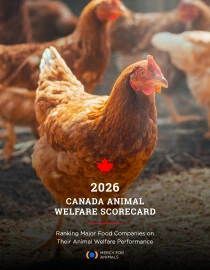
View the 2026 Scorecard

The Canada Animal Welfare Scorecard is the leading annual report ranking major food companies operating in Canada on their animal welfare progress.
What is evaluated?
- Commitments: Animal welfare policies
- Transparency: Public progress reporting
- Roadmaps: Pathways to implementation
Which welfare issues impact the most farmed animals?
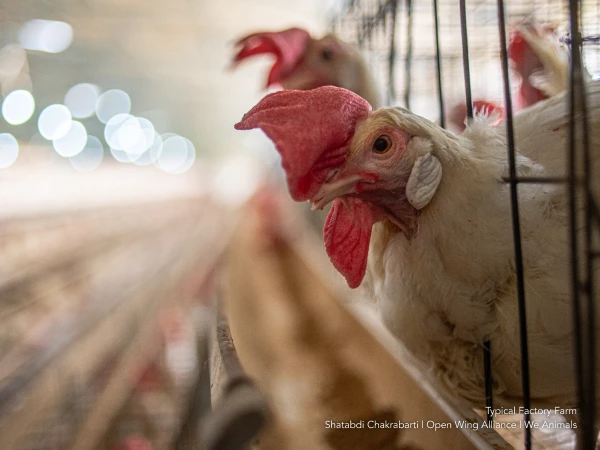
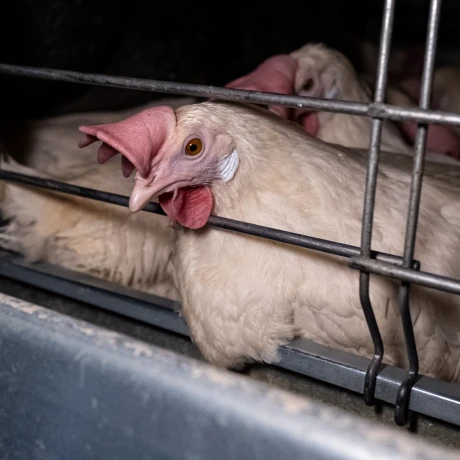
- Laying hens confined in cages
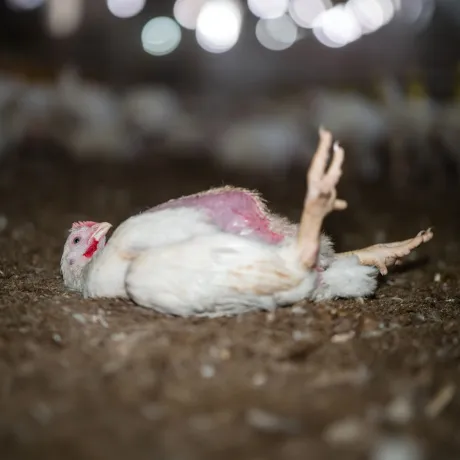
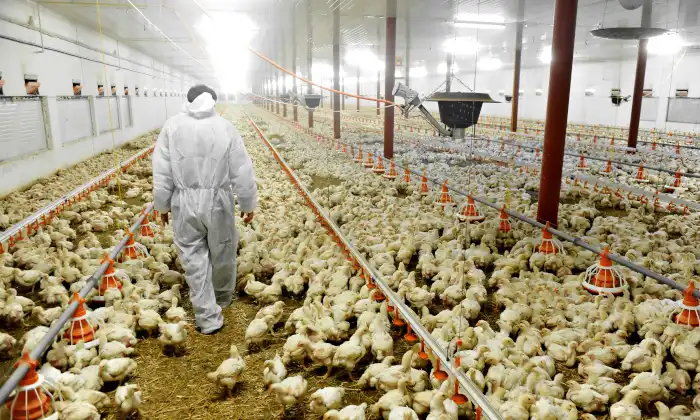
- Environment, breed, and slaughter method of chickens raised for meat
Company Rankings
Gold Tier






Silver Tier













Bronze Tier


Fourth Tier








Fifth Tier







Lowest Tier







2026 Scorecard Insights
Restaurant cage-free progress accelerates despite industry-wide stagnation.
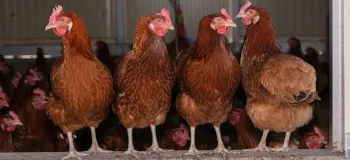
With 52% of evaluated brands now fully compliant, the restaurant industry is driving Canada’s cage-free transition. Eleven major chains have achieved 100% cage-free status.
This includes A&W Canada, Campbell’s, Dairy Queen, Subway, and Mary Brown’s Chicken, all of which have reported full policy fulfillment since 2024.
These major brands have proven that 100% cage-free supply chains are both feasible and sustainable.
Transparency and Reporting: A New Industry Standard Emerges
Transparency continues to grow with 80% of featured companies now publicly reporting on at least one animal welfare policy evaluated.
Currently, 38% of retailers are actively reporting on Better Chicken Commitment components, with 14 companies nationwide providing data on advancing chicken welfare.
Major retailers—including Save-On-Foods, Metro, Whole Foods, and IKEA—have enhanced transparency by reporting partial or full progress against Better Chicken Commitment standards.
Critical Risks: Stagnation and Cage Backsliding
Despite rising transparency, critical failures remain. Sobeys has stagnated at roughly 17% cage-free progress for five consecutive years.
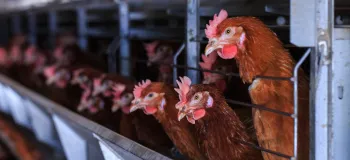
Eight companies, including Sunset Grill and Cora, have diluted their cage-free policies by accepting “enriched” cages. In practice, this swaps one cage for a slightly larger one.
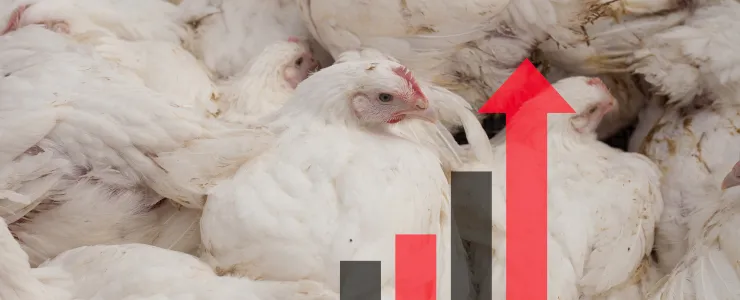
While Better Chicken Commitment reporting improves, the industry still relies on birds bred to grow so unnaturally fast that their bodies cannot support their weight.
The Case for Federal Oversight and Regulated Animal Welfare Takes Shape.
The stagnation and backsliding exposed throughout the 2026 Canada Animal Welfare Scorecard prove that industry self-regulation is failing animals. Voluntary codes of practice are incapable of ensuring meaningful welfare standards.
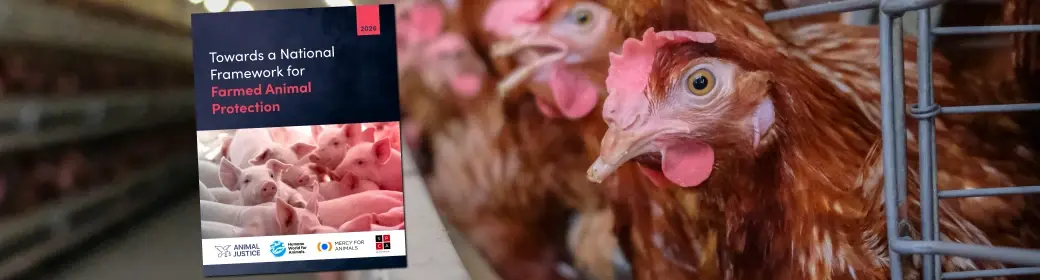
To bridge this accountability gap, the newly released Vision Report—Towards a National Framework for Farmed Animal Protection—outlines a vital shift from Canada’s failed voluntary model toward a modern, legally binding framework.
With over 863 million land animals slaughtered annually in Canada, we cannot rely on corporate goodwill alone. The findings of this year’s Scorecard make one thing clear: Canada needs enforceable federal legislation to protect farmed animals.

Consumers Want the Industry to Do More

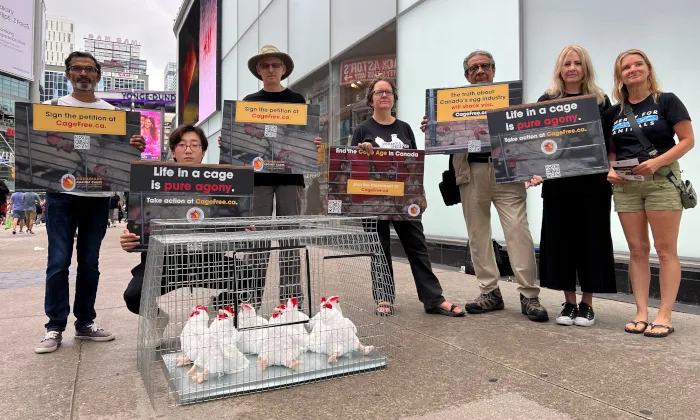
Canada Is Falling Behind
in the Global Shift to Eliminate Cages





Join the movement to help farmed animals in Canada.
Farmed animals trapped in the Canadian food system suffer immensely. Hens crammed in wire cages and chickens bred for unnatural growth need your help now. You have the power to create meaningful change. Sign up to learn how you can make a difference for animals in Canada today.
Thank you for joining the fight to reduce animal suffering in Canada.
Looking for great vegan recipes? Download the How to Eat Veg guide.