Eating ham is worse than you thought. Here are the top six reasons to avoid it this holiday season and year-round:
1. Painful Mutilations
In the meat industry, even at the highest-welfare farms, farmers typically force piglets to endure a series of painful mutilations, usually without anesthesia or pain relief.
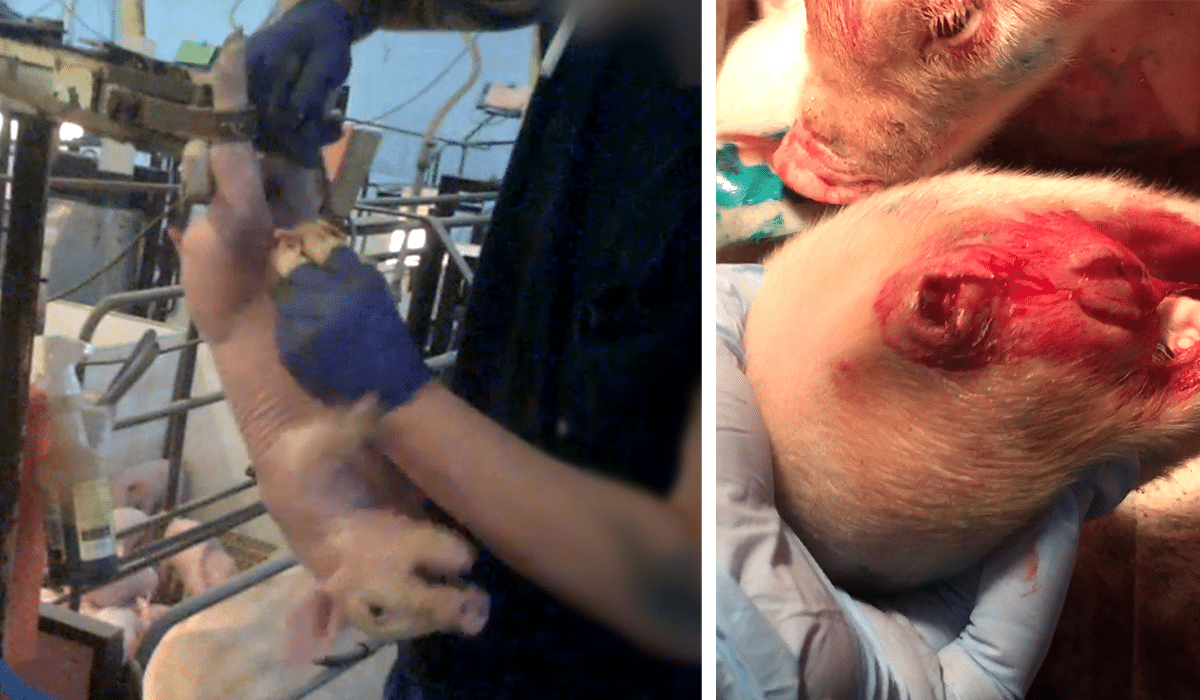
Standard mutilations include:
- Tail docking: Farmers remove the piglets’ tails or a portion of them with a sharp instrument or rubber ring. This is done to prevent tail biting, an abnormal behavior that can occur when pigs are in crowded or stressful conditions.
- Ear notching: Workers often cut notches into pigs’ ears for identification. Other forms of identification are sometimes used, such as ear tags, which are punched through the animals’ ears.
- Castration: To castrate male piglets, workers cut into the animals’ skin and rip or cut out the testicles, or tie a rubber band around the testicles until they fall off. Farmers castrate pigs to prevent “boar taint,” a foul odor that can develop in the meat of uncastrated males as they mature.
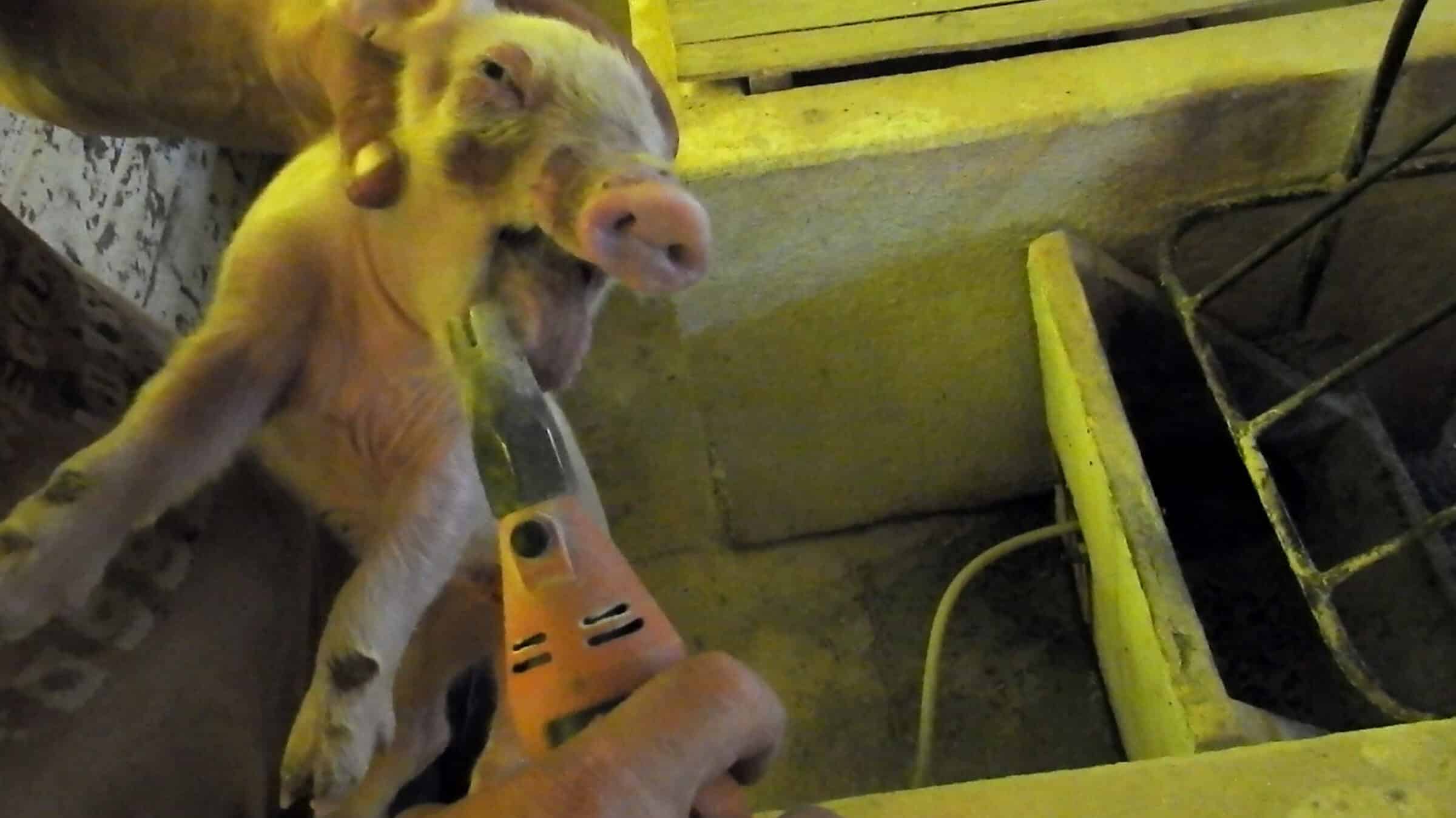
- Teeth Grinding or Clipping: Because the meat industry houses pigs in unnatural, cramped, and stressful environments, they sometimes bite workers and other pigs or gnaw on cages and other equipment out of frustration and boredom. To prevent injuries or damage to equipment, workers grind down or clip piglets’ sharp teeth with pliers or other instruments.
2. Cruel Cages
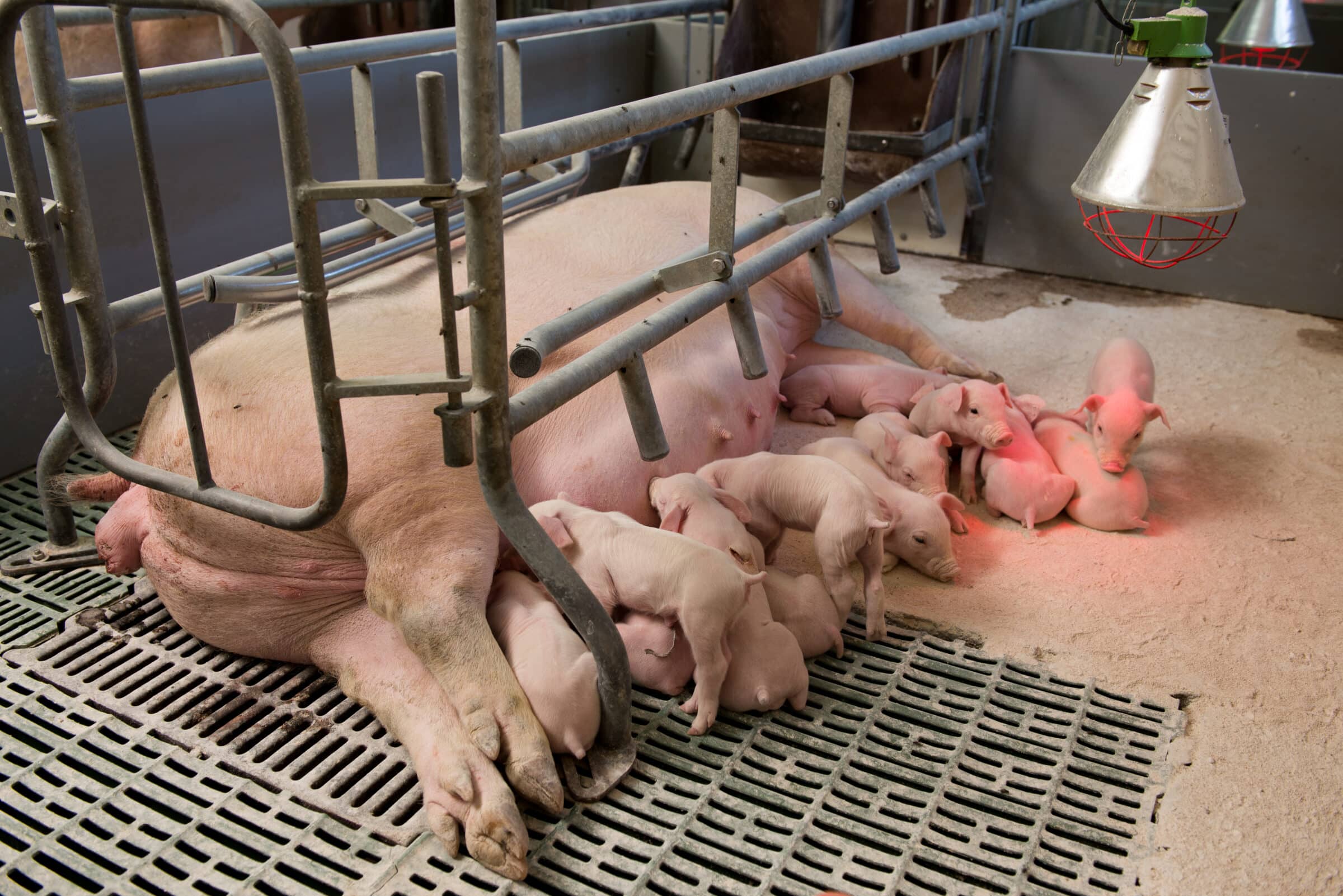
For most of their lives, pigs used for breeding are kept in cages—gestation crates during pregnancy and farrowing crates after giving birth—that prevent them from turning around or lying comfortably.
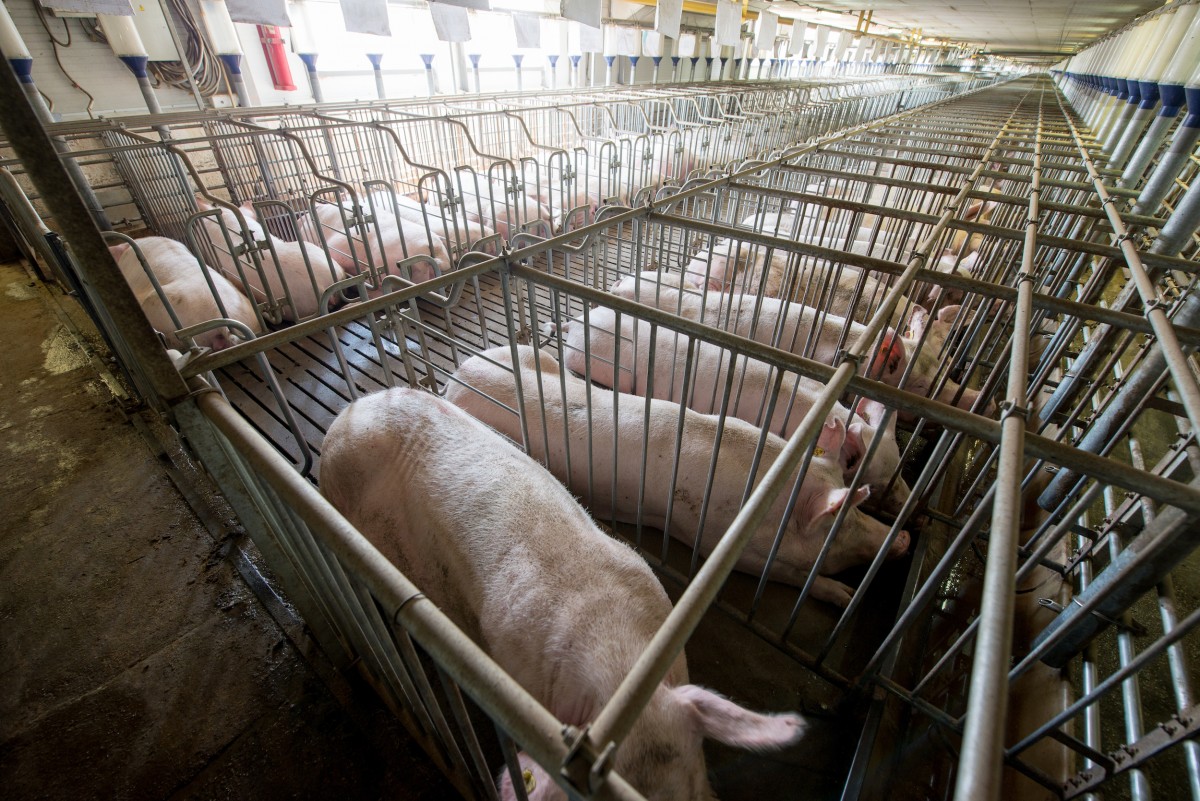
Under normal circumstances, pigs are doting mothers who build a nest for their young, “sing” to them as they nurse, and teach them how to be pigs. But in the meat industry, these mothers can’t even turn around to nurture their babies after they’re born and must nurse through metal bars. Some states have laws banning gestation crates, but farrowing crates are still widely used.
3. Artificial Insemination
Female pigs in the meat industry are exploited for their reproductive systems. Considered ready for breeding at just seven months old, the majority of pigs in the United States are forcibly impregnated through artificial insemination. To inseminate a pig, a farmer inserts a rod about eight or 10 inches into a pig’s body to reach her cervix.
4. Thumping
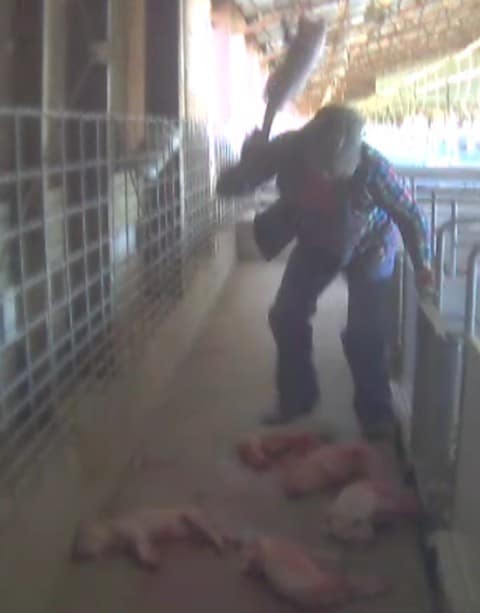
Piglets in factory farms are at risk of diseases due to unsanitary conditions and a lack of proper veterinary care. Many die before they reach maturity.
Babies who are growing too slowly or are too sick or weak are often killed. Some are slammed headfirst into the ground. This practice is known as “thumping” and is entirely legal in the meat industry.
5. Cramped Conditions
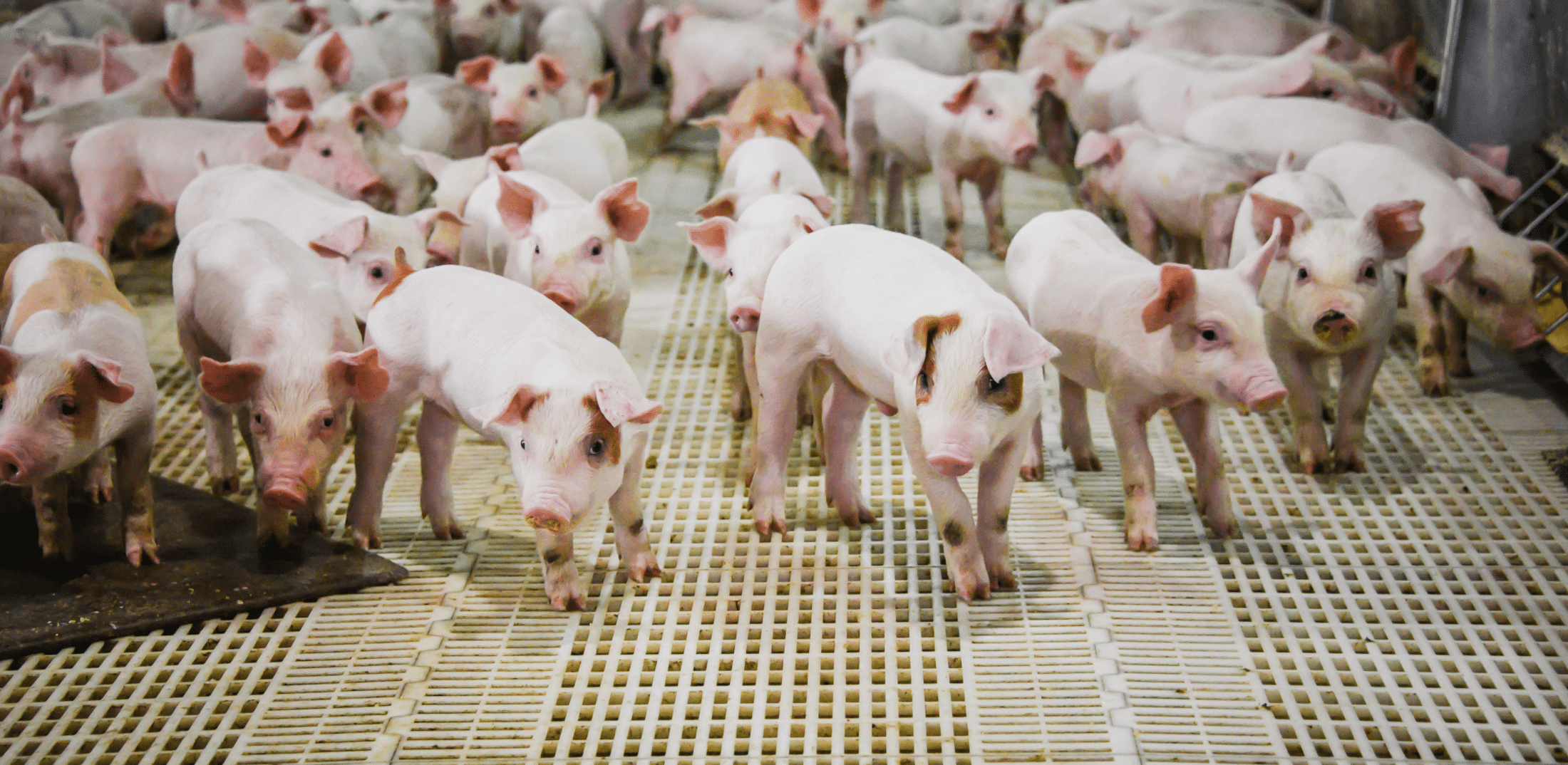
After being taken from their mothers, surviving piglets who won’t be used for breeding are transferred to separate facilities where they will live until they reach “market weight.” These facilities are often filthy and crowded, with floors constructed of plastic or plastic-covered steel. Pigs trapped here will never doze in the sun, roll in the mud, or experience anything that makes life worth living.
6. Horrific Slaughter
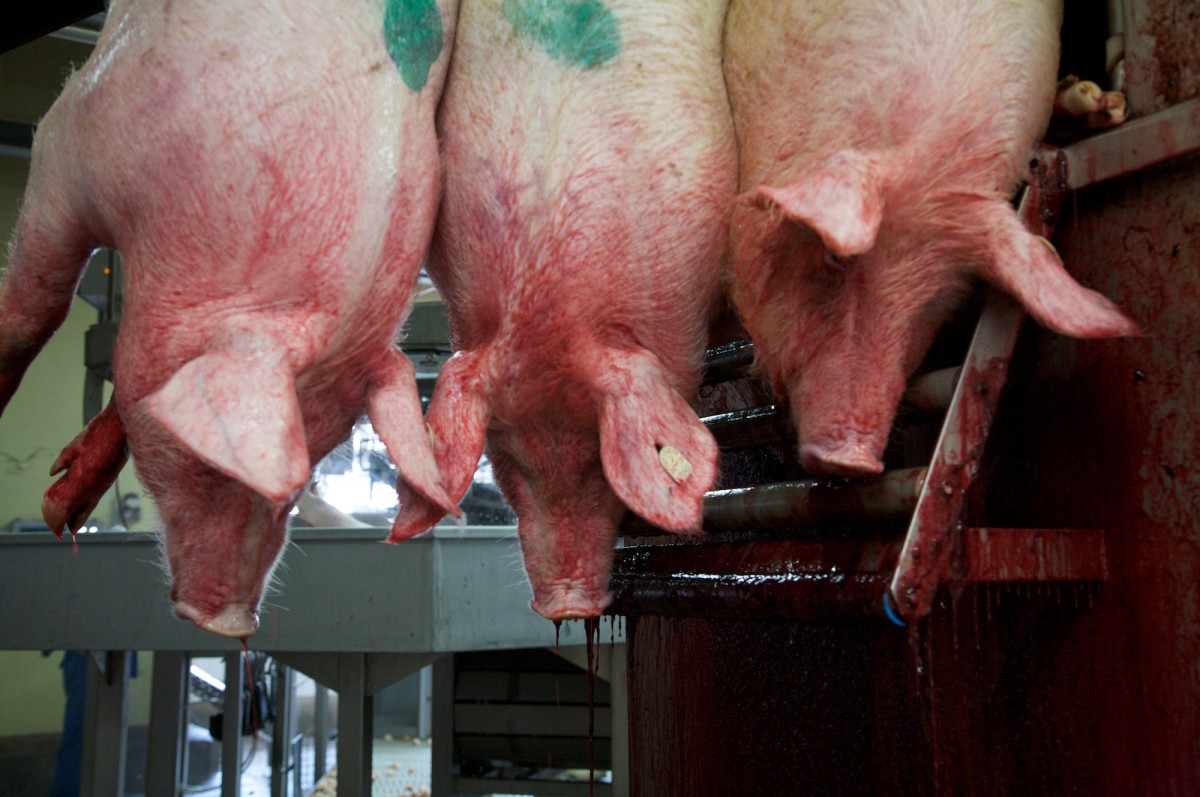
In natural conditions, pigs can live for 10 to 15 years, but pigs in the meat industry who survive the harsh conditions are sent to slaughter after just six months of life. The confused and frightened animals are prodded onto crowded trucks and subjected to long journeys and often extreme temperatures.
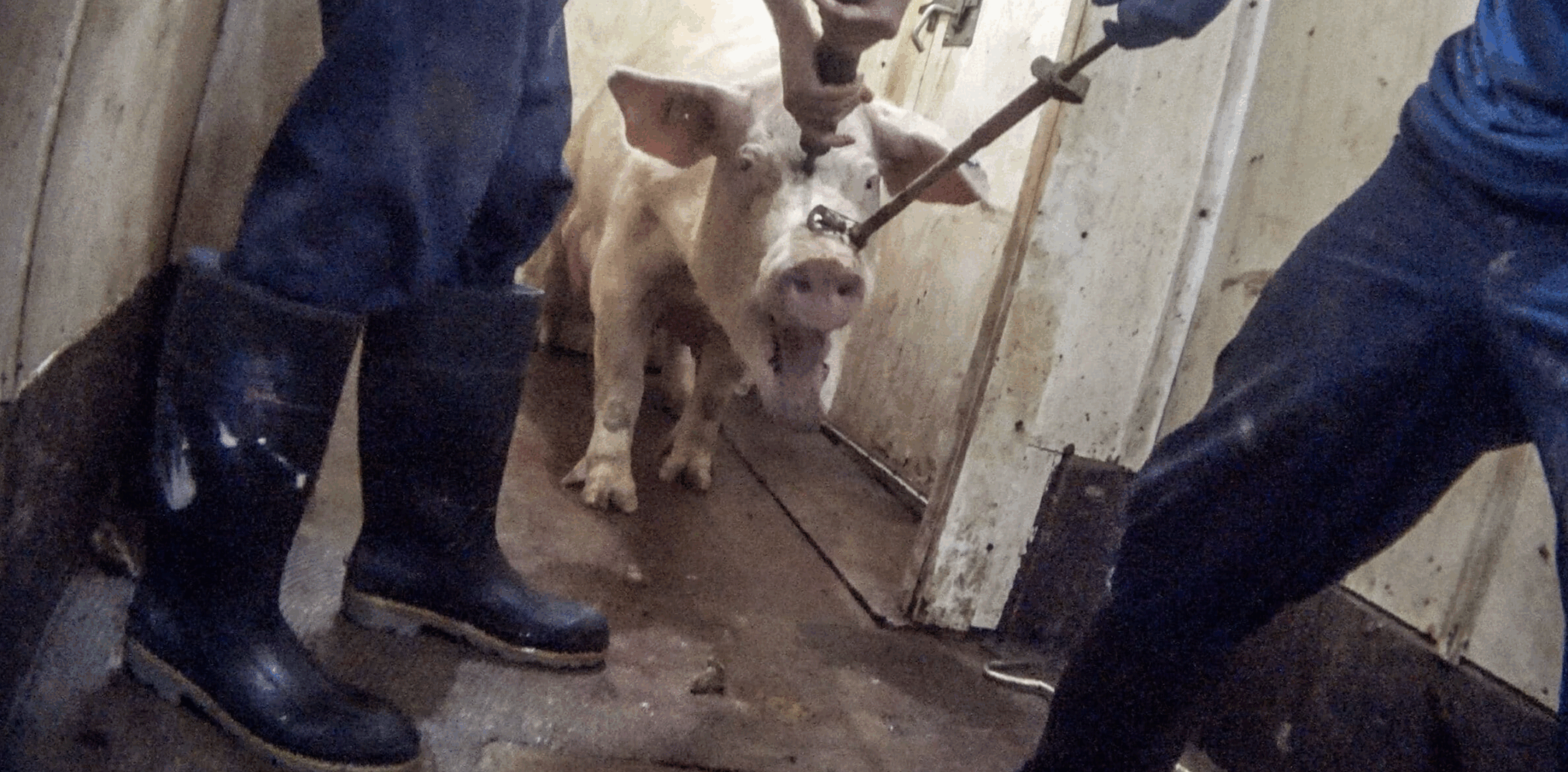
At the slaughterhouse, pigs face a terrifying and brutal end. The slaughter process favors efficiency, not compassion. Because workers often must move quickly, many pigs aren’t stunned properly and suffer extreme stress and pain in their final moments.
What You Can Do:
Pigs feel pain and fear in the same capacity as any other animals, and they’re counting on us to make kind choices. The best way to ensure you’re not supporting the cruel practices listed above is to leave ham and all animal products off your plate! Why not try a plant-based option instead?
Now that you know the truth, share this blog to spread awareness!