The release of the 2025–2030 Dietary Guidelines for Americans is a pivotal moment for our nation’s health. I am encouraged by the focus on reducing added sugars and prioritizing whole foods; long overdue steps. Yet as these guidelines place greater emphasis on animal protein, the gap between policy and the reality of how that food is produced becomes impossible to ignore.
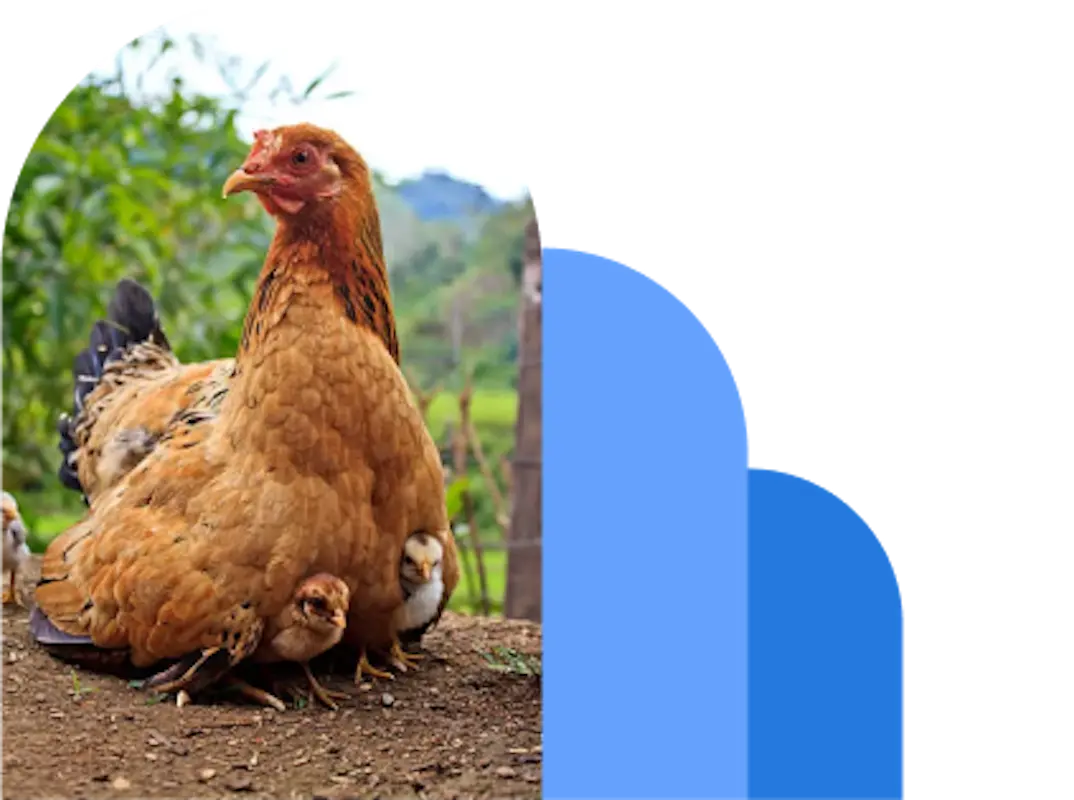
When “dairy” or “protein” is mentioned in a government document, the language is often clinical and detached. But I have seen what those terms look like behind the closed doors of industrial farms. I have watched undercover footage from a dairy farm that haunts me: newborn calves, so vulnerable and wide-eyed, forcibly separated from their mothers just minutes after birth so their milk can be bottled for our consumption. I’ve seen cows beaten with poles and left to languish on manure-covered floors, their bodies failing under the weight of a system that treats them as machines rather than living, feeling individuals.
This isn’t just a matter of animal cruelty; it is a public health crisis. These same farms often rely on the overuse of antibiotics to keep sick animals alive in unsanitary conditions, fueling the risk of antibiotic-resistant “superbugs.” When our national guidelines encourage greater consumption of these products, they risk reinforcing a system that harms animals and creates real public health risks.
I see this same tension between tradition and progress in our schools. While the Whole Milk for Healthy Kids Act brings whole milk back to school menus, it also removes the doctor’s note requirement that long prevented many students from accessing plant-based milk. However, I see a glimmer of progress for families seeking more compassionate, health-conscious options. For the first time, many students will be able to choose plant-based milk without being forced to provide a doctor’s note.
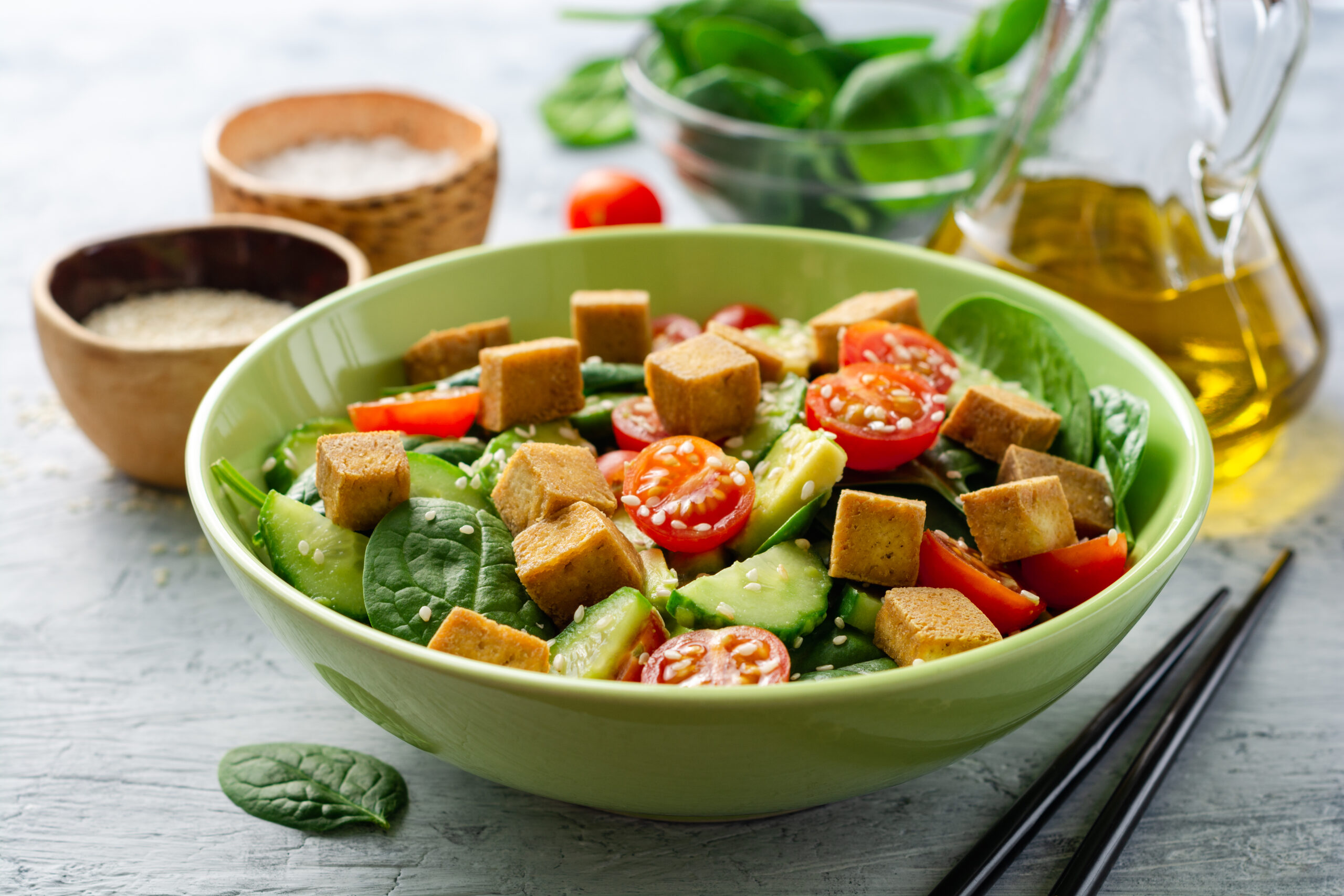
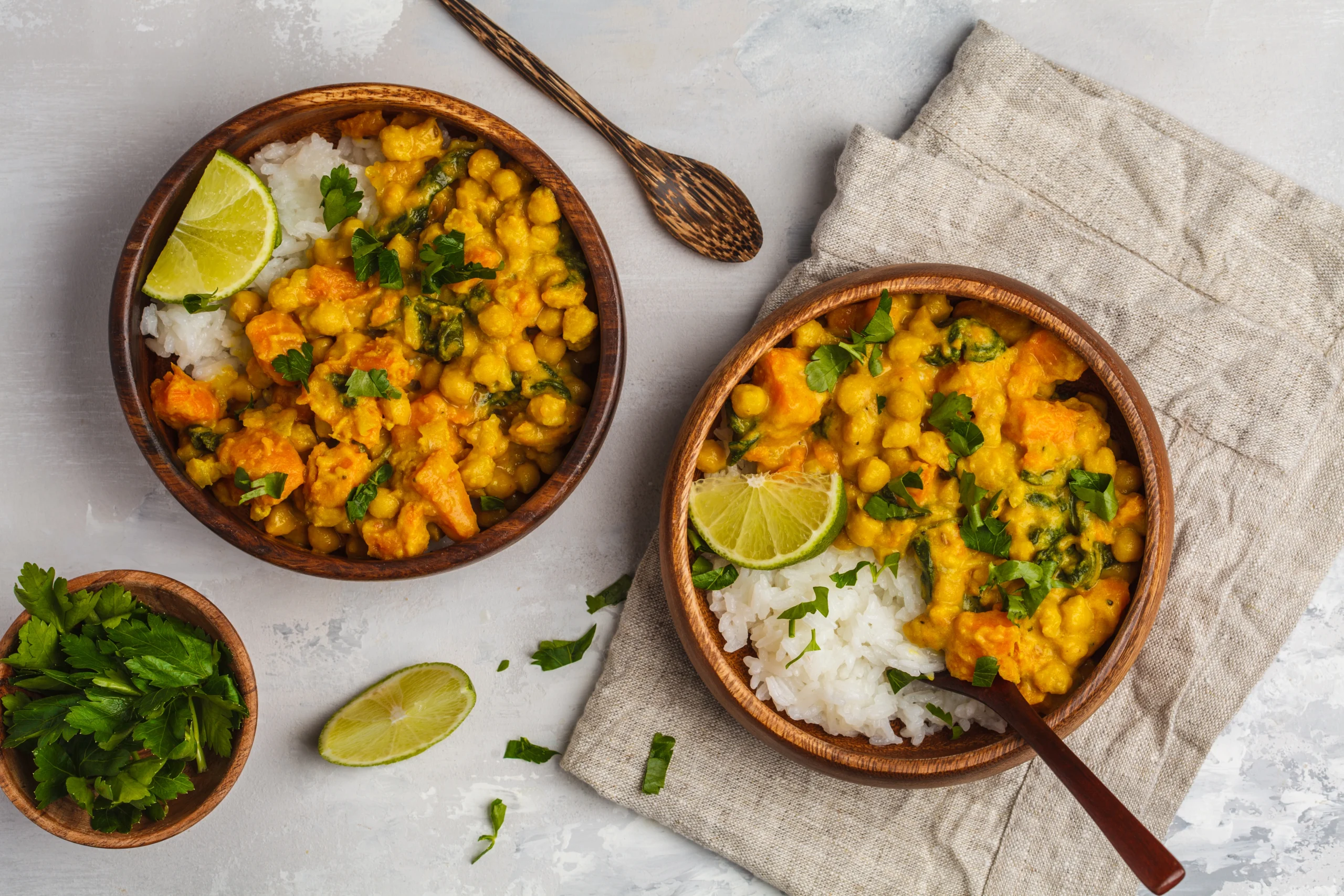
This is a victory for nutritional equity. For too long, our system has ignored the fact that lactose intolerance affects up to 90% of East Asian Americans and 65% of Black Americans. By removing the “doctor’s note” barrier, students can choose the food that actually works for their bodies. Accessibility matters, and no child should be penalized for choosing a more compassionate or healthful option. Plant-based proteins such as beans, lentils, tofu, nuts, and seeds provide nutritious, accessible alternatives that can support healthier diets while reducing reliance on industrial animal agriculture.
The path to a better food system doesn’t require a complete overhaul of your life overnight; it starts with the small, everyday choices. Choosing oat milk for your morning coffee or swapping one meat-heavy meal for a bean-and-veggie burrito are simple ways to reduce suffering and protect our health.
As dietary guidance evolves, I call on our policymakers to align future recommendations with the urgent reality of our climate and our conscience. We have an opportunity to build a food system that protects animals, supports public health, and reflects the values many Americans already hold. By choosing plant-based foods, we aren’t just eating for today; we are building a kinder, more resilient world for everyone.