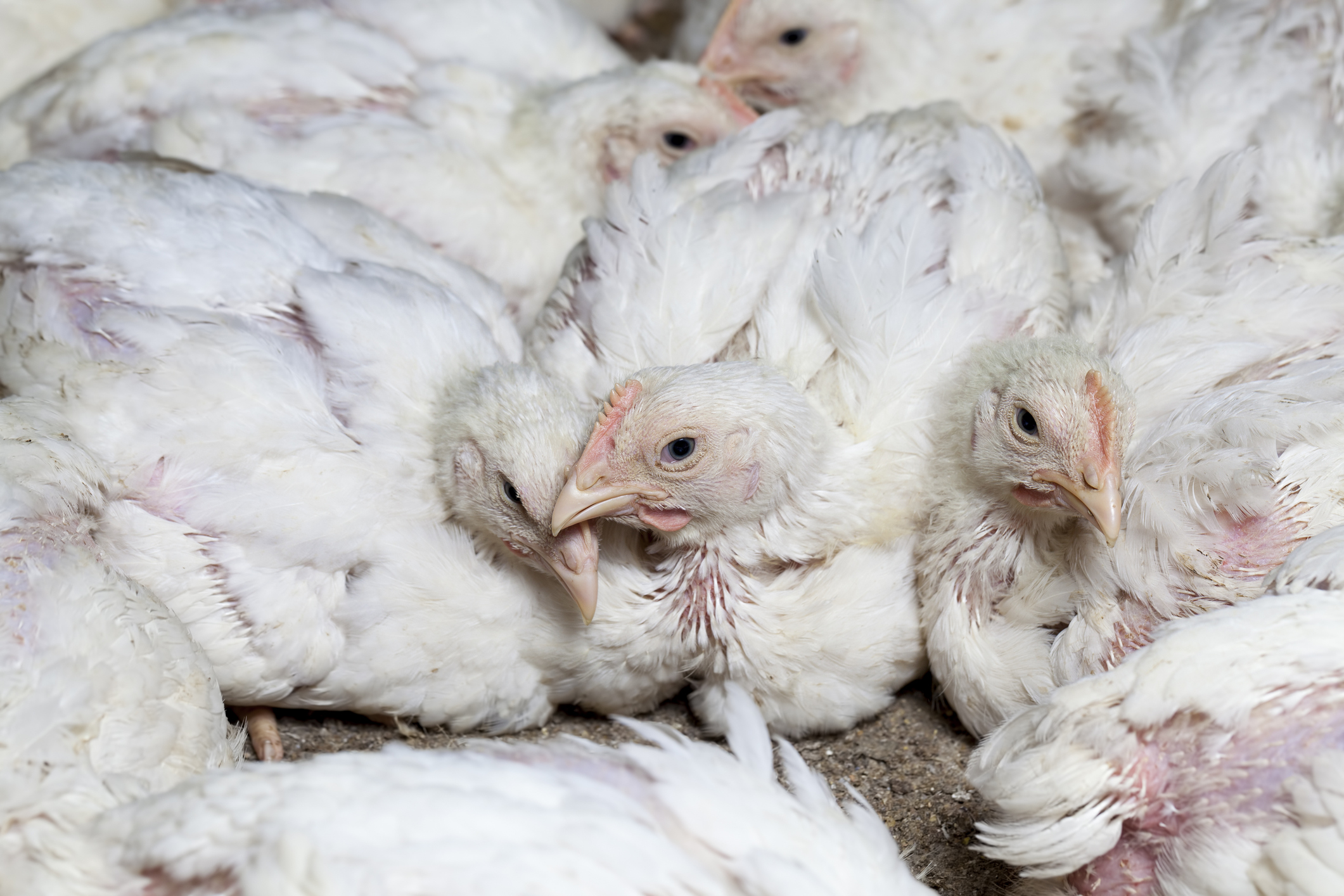
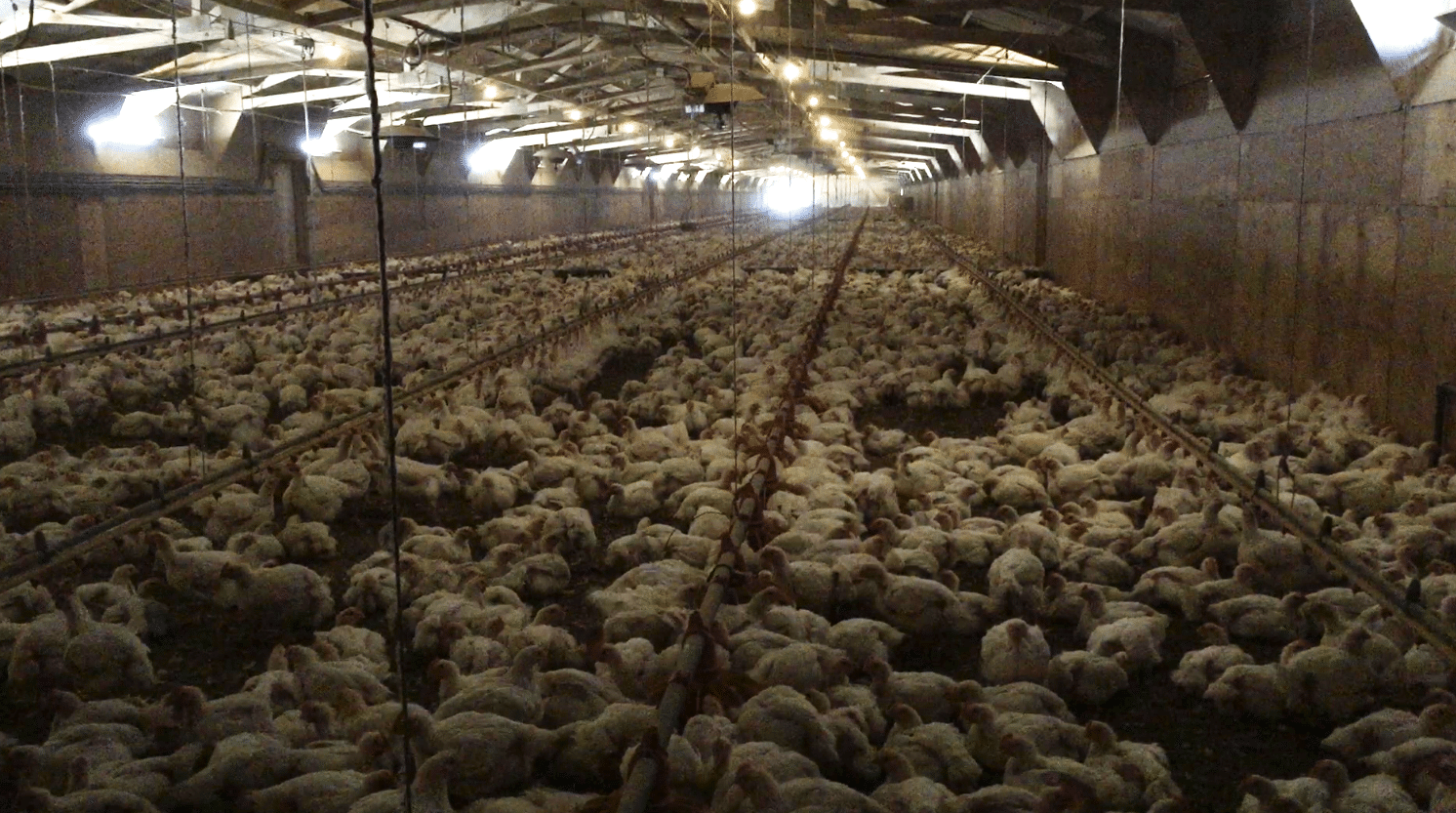
Above photo: Typical factory farm
On April 14, a fire tore through a commercial chicken house in Banks County, Georgia, killing approximately 22,000 birds trapped inside. According to local officials, the structure was already fully engulfed in flames when firefighters arrived. And according to news outlets, “no injuries were reported.”
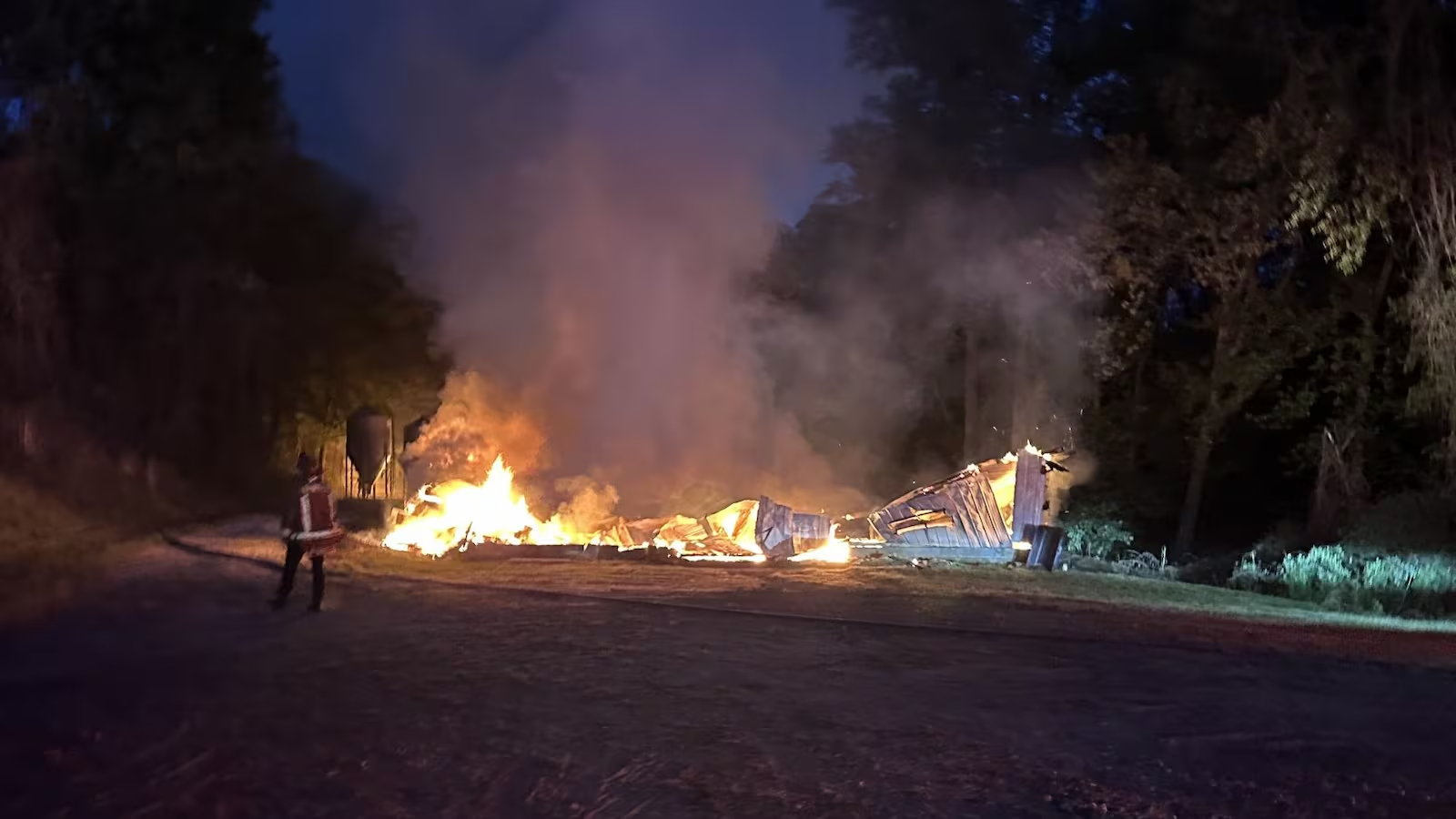
That’s how the story is often told: a property loss, an unfortunate accident, a financial hit for the farmer. But what’s missing from the headlines is the 22,000 individuals who were alive, who could feel fear and pain, and who had no chance to escape. This language is another reminder that animals raised for food are rarely recognized as individuals whose lives matter.
Treated as Inventory
In industrial animal agriculture, tragedies like this are not as rare as they should be. Fires, floods, diseases, and other disasters routinely result in mass deaths. Yet these incidents are usually reported in terms of economic loss rather than the immense suffering endured by the animals inside.
The chickens killed in this fire were likely raised for meat in a system designed to maximize efficiency, not safety. In these facilities, tens of thousands of birds are typically confined in a single building. They are packed tightly together and bred to grow so large so fast that many collapse and languish on the filthy floor, unable to reach food and water. Chickens raised for meat are denied everything that’s natural and important to them.
On top of the immense suffering these animals endure in their daily lives, there is also no meaningful evacuation plan for them in case of emergencies. Even if there was a plan, the scale of confinement would make rescue nearly impossible.
No Room for Escape
Imagine being inside a crowded, windowless shed with thousands of others, unable to move freely, when smoke begins to fill the air. There are no exits you can access, and no one is coming to guide you to safety.
This is the reality for animals in industrial farming systems when disaster strikes.
Preventable Suffering
While the exact cause of this fire remains under investigation, housing tens of thousands of animals in a single structure creates a situation where any emergency becomes catastrophic.
Tragedies like this one are a stark reminder of the hidden costs of factory farming. They reveal a system in which animals are treated as commodities, and where their lives can be lost in an instant without even being counted as “injuries.”
Take Action
We all have the power to help reduce the demand for systems that confine and endanger animals and end factory farming. By choosing more plant-based foods, we can align our choices with a more compassionate and sustainable food system.
You can also take action by urging corporations, such as Compass Group USA, the largest foodservice provider in the United States, to take concrete action to eliminate some of the worst cruelty for chickens in their supply chain.