Photo: Abigail Messier / We Animals Media
A new report from Mercy For Animals, Beyond the Commitment: Evaluating Cage-Free Progress Across the Canadian Retail Sector, reveals that Canadian grocery retailers are failing to keep their promises to reduce suffering for hens by eliminating cages in their egg supply chains.
Nearly a decade ago, a group of major retailers promised to transition to 100% cage-free housing by the end of 2025. But the report reveals that hens are still suffering under their care. Instead of transitioning to cage-free housing, many retailers have opted to source from producers using “enriched” battery cages, which are only a slight improvement over conventional cages and fall short of the companies’ original commitments.
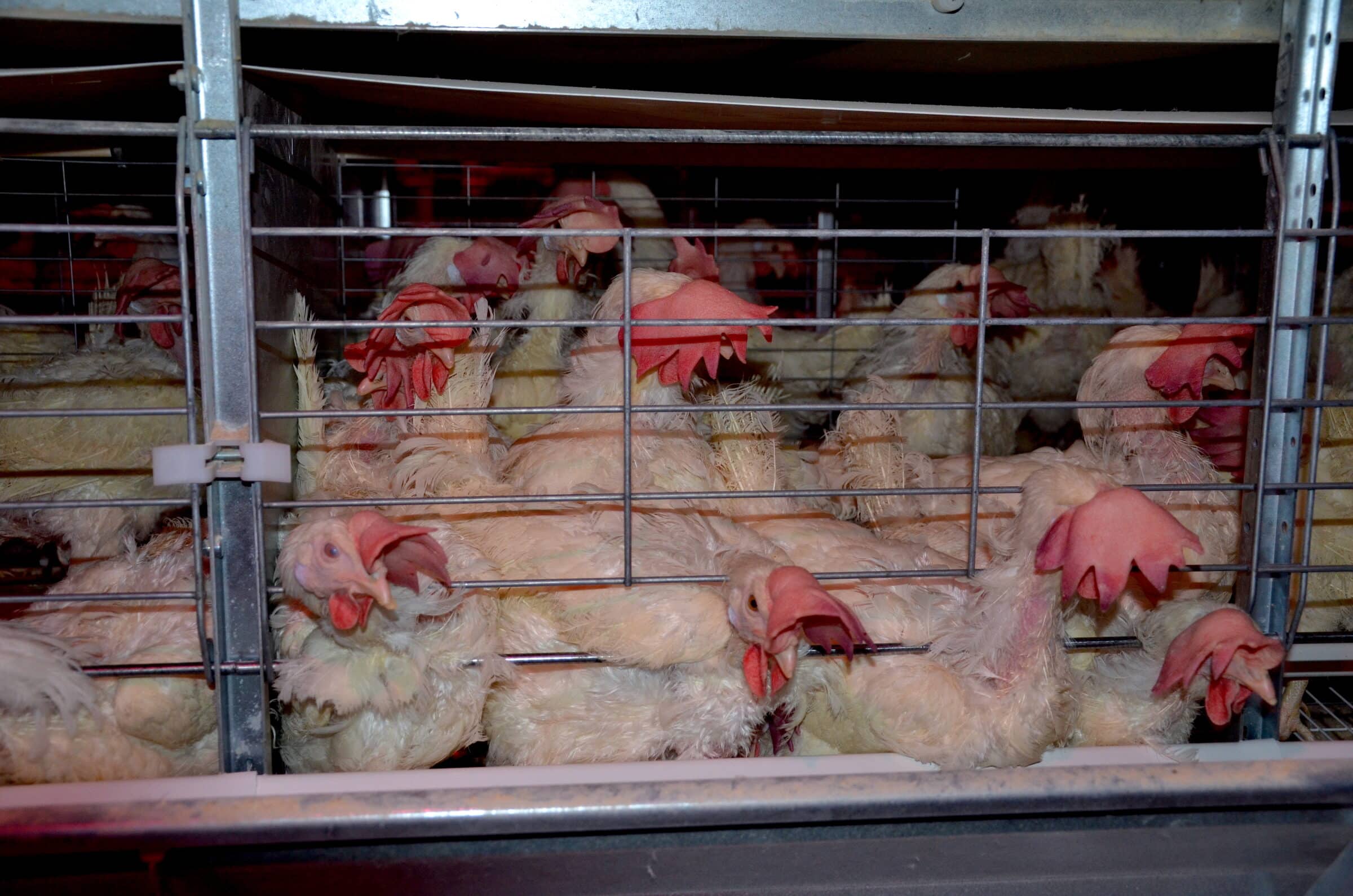
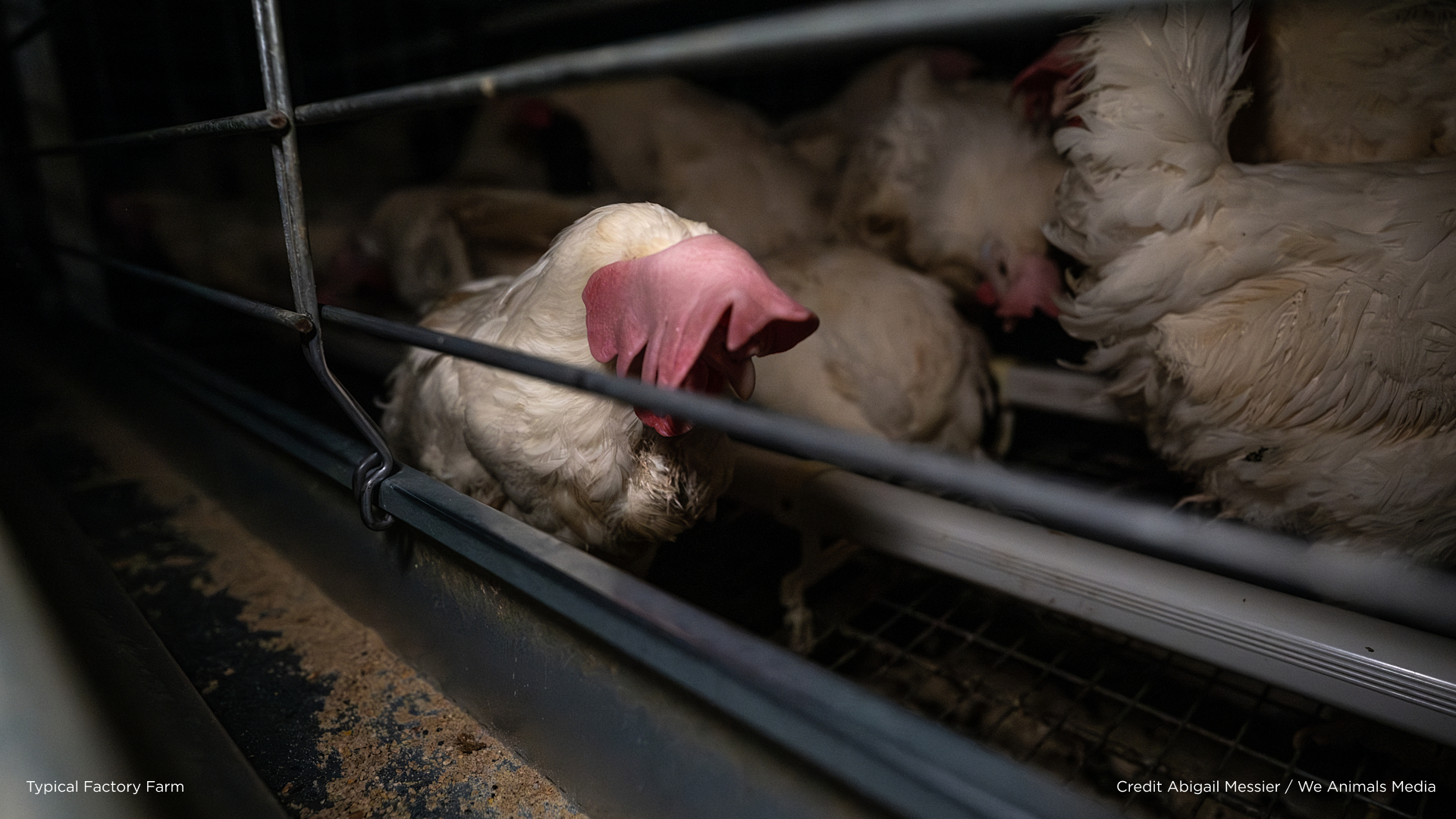
Though marketed as progress, enriched cages fail to meaningfully improve welfare and continue to subject hens to severely restrictive environments with minimal room to fully express many important natural behaviors. While 92% of global cage-free commitments have been met this year, the report shows that Canada is falling behind, with major retailers stalling or backtracking on their promises, undermining animal welfare and consumer trust.
Enrichment or Exploitation?
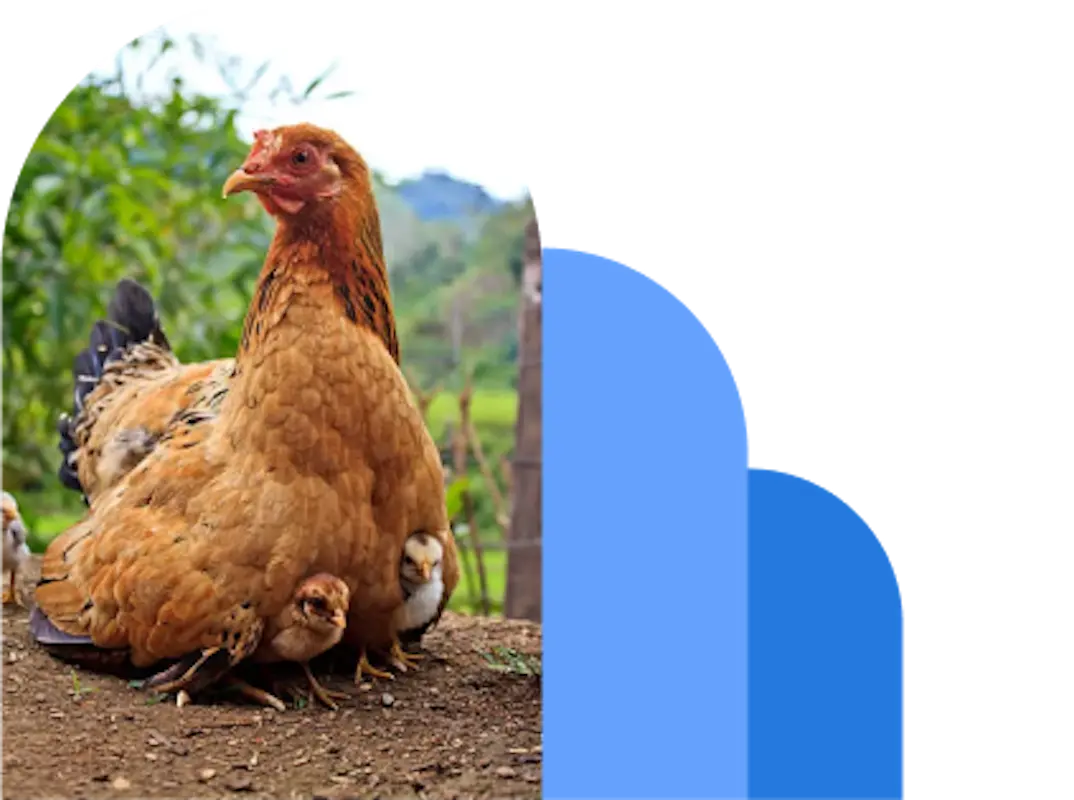
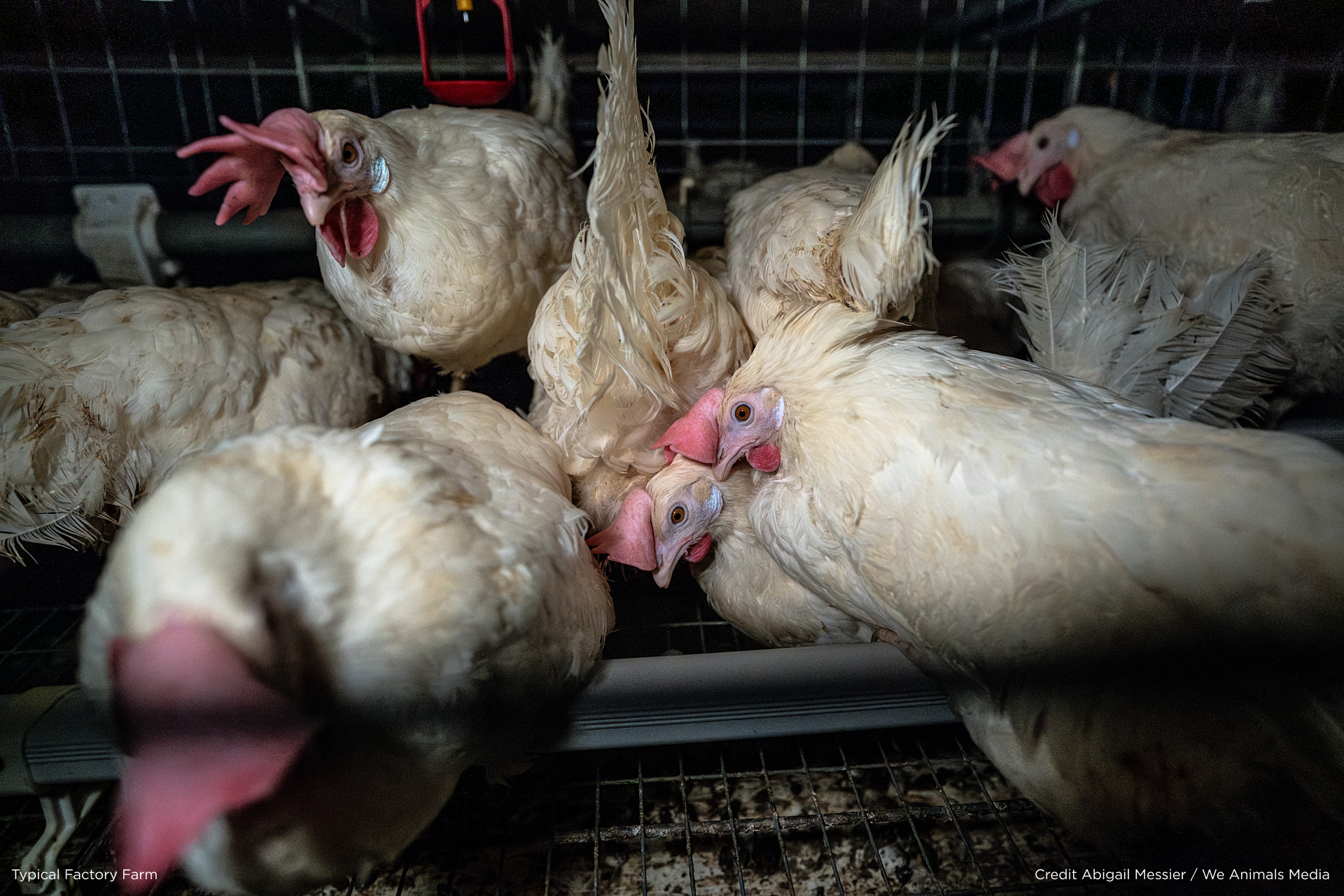
Despite the term, enriched cages are hardly better than conventional ones. They are only slightly larger and still deny hens adequate space for natural behaviors like dustbathing, stretching, and foraging. In contrast, cage-free systems, though not cruelty-free, reduce suffering by enabling birds to move more freely, perch, walk, spread their wings, and forage.
More than 28 million hens are used for eggs in Canada, and most are confined in cages, each bird given just 67–75 square inches of floor space (about the size of a toaster) in conventional cages and 116 square inches (about the size of a microwave oven) in enriched cages.
How Did We Get Here?
The industry is heavily influenced by two key associations: the Retail Council of Canada (RCC), the retail sector’s main trade association, and the National Farm Animal Care Council (NFACC), described as “the national lead for farm animal care and welfare in Canada.” In 2016, the RCC committed to a cage-free transition by the end of 2025, leading over 100 companies to follow.
In 2017, however, NFACC released new codes of practice recommending the phaseout of conventional cages by 2032 while endorsing enriched cages as a sufficient alternative—allowing the industry to maintain cage housing systems with minimal change. In 2021, the RCC abandoned their cage-free commitment, leaving companies to decide individually. This created a convenient out and triggered backtracking.
Canada Stalls
While global markets are largely making progress toward cage-free standards, Canada is falling behind, as the latest data shows:
- United Kingdom: 82% cage-free
- European Union: 62% cage-free
- United States: 45% cage-free
- Canada: 20% cage-free
This slow progress is highlighted by the regional supply chain differences of multinational retailers like Costco. Costco in the United States is 97.1% cage-free, while Costco Canada is only 21.3%.
The nation’s three largest retailers—Loblaws, Sobeys, and Metro—received D or F grades in the report for minimal progress and endorsing enriched cages. Their justifications for endorsement are often drawn from NFACC’s codes of practice, and the use of such cages neither improves the lives of hens nor honors consumers’ wishes. In a 2023 survey, 72% of Canadian respondents supported cage-free standards.
The Path to Real Progress
Retailers must end delays and take action to achieve their original cage-free goals. This report provides clear recommendations and urges retailers to uphold their 100% cage-free commitments and publish time-bound roadmaps.
By rejoining the global shift to cage-free, companies would not only reduce suffering for hens but rebuild customer trust.
How You Can Help Hens
Canada is falling behind in the global shift to cage-free. Hens trapped in cages in Canada need your voice. Take action now—urge Costco Canada, one of the report’s poorest performers, to accelerate their cage-free progress.