A recent article in The Washington Post discusses an
updated set of dietary guidelines by the Chinese government that
recommends citizens consume less meat to protect the environment.
updated set of dietary guidelines by the Chinese government that
recommends citizens consume less meat to protect the environment.
Officials claim that the new recommendations have the
potential to help save land and water resources and put a substantial dent in
global greenhouse gas emissions.
potential to help save land and water resources and put a substantial dent in
global greenhouse gas emissions.
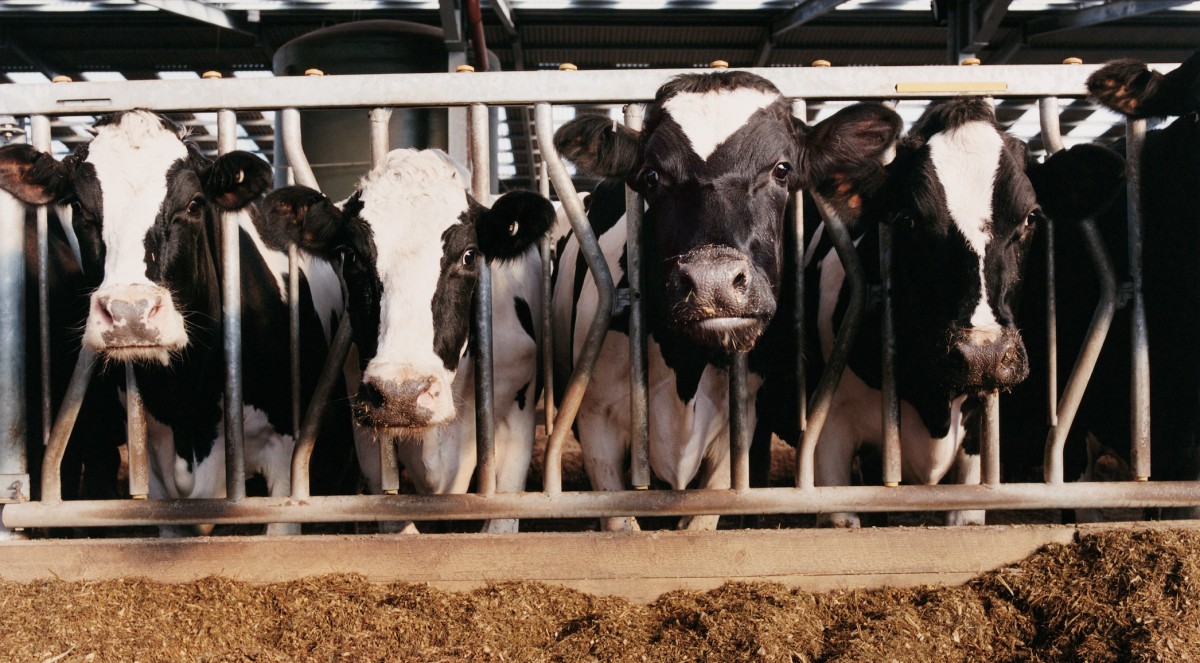
The new guidelines suggest limiting meat, poultry, fish, and
dairy consumption to 200 grams daily. According to the United Nations, daily
meat and dairy consumption in China currently averages more than 300 grams per
day—and that value is expected to keep increasing over the next few decades.
dairy consumption to 200 grams daily. According to the United Nations, daily
meat and dairy consumption in China currently averages more than 300 grams per
day—and that value is expected to keep increasing over the next few decades.
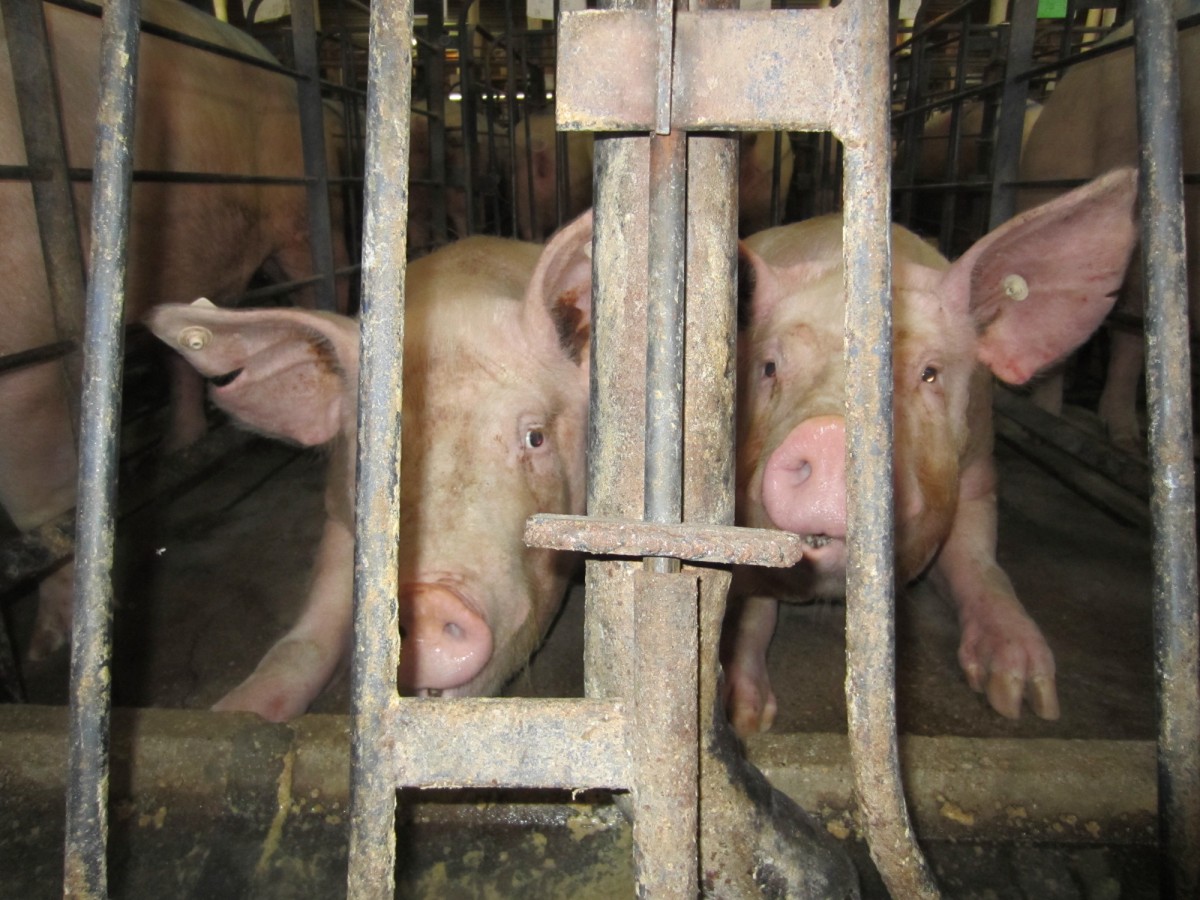
Animal agriculture is destroying
our planet and accounts for 15 percent of global greenhouse gas emissions.
By reducing our meat, dairy, and egg consumption we can help fight global
warming.
our planet and accounts for 15 percent of global greenhouse gas emissions.
By reducing our meat, dairy, and egg consumption we can help fight global
warming.
In fact, just last year the USDA
considered releasing a new set of dietary guidelines that took into account the
environmental impacts of meat and urged consumers to significantly reduce their
meat consumption. Unfortunately, it never passed due to extensive
lobbying by the meat and dairy industries.
considered releasing a new set of dietary guidelines that took into account the
environmental impacts of meat and urged consumers to significantly reduce their
meat consumption. Unfortunately, it never passed due to extensive
lobbying by the meat and dairy industries.
For more information on adopting a sustainable and
compassionate vegan diet, check out ChooseVeg.com.
compassionate vegan diet, check out ChooseVeg.com.