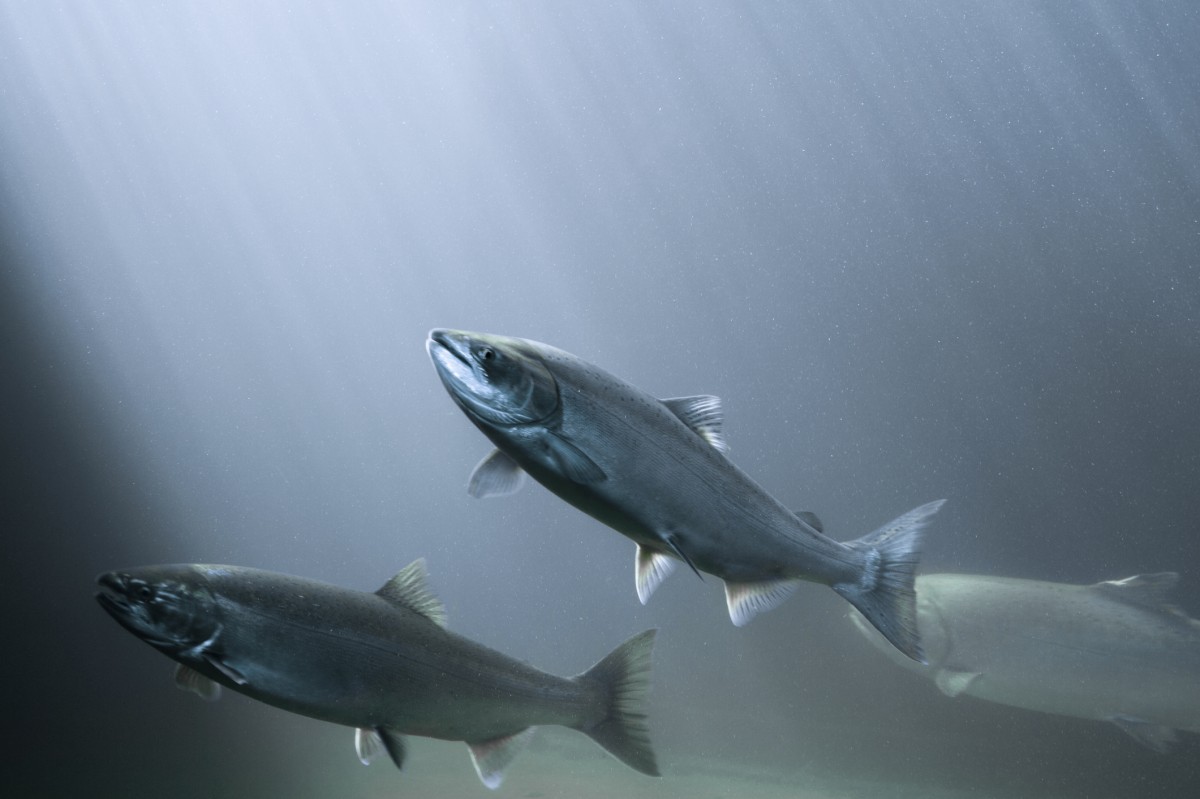
Two fish farming companies, The Scottish Salmon Company and Scottish Sea Farms, tried to prevent the Scottish government from releasing photos of diseased and lice-infested salmon, The Ferret reported last week.
The photos, taken since 2015 by health inspectors, show hundreds of thousands of farmed salmon with eight different diseases, bloody lesions, eye damage, deformed organs, and plagues of flesh-eating sea lice. Amoebic gill disease, poxvirus, pancreas disease, bacterial kidney disease, cardiomyopathy syndrome, and pasteurella skyensis were among the diseases found at 27 fish factory farms run by six companies.
The inspectors reported “moribund and lethargic fish with large lesions, “large numbers of lethargic fish with physical damage, and “physical damage attributed to handling.
Emails released after a freedom of information request revealed The Scottish Salmon Company had threatened Scottish ministers with legal action.
Lawyers for Scottish Sea Farms emailed Marine Scotland, a governmental agency, stating their client was “very concerned about the proposed release. SSF claimed the images were commercially confidential and release would expose “reputational damage which would have an adverse impact on its “economic interests.
Don Staniford of Scottish Salmon Watch, the anti-fish-farming campaigner who obtained the photos and emails, declared:
If consumers could see what horrors were lurking inside salmon farms they would not touch unhealthy Scottish salmon with a barge pole.
But sadly, diseased, deformed factory-farmed fish are common. In 2017, investigations of salmon farms along the east coast of Vancouver Island revealed blind, emaciated salmon swimming in their own feces. A 17-year report discovered that sea lice from one of the fish farms had been killing young wild salmon.
Additionally, a study published in the Journal of Experimental Biology found that salmon bred and raised at fish factory farms are forced to grow at such an accelerated rate that more than half go partially deaf. First recorded in the 1960s, the abnormality now affects more than 95 percent of fully grown factory-farmed fish globally.
And because factory farms are so filthy, they’re the perfect breeding grounds for parasites. In recent years, studies and photographic evidence have shown that vaccines no longer work at salmon factory farms. Because tanks are rife with waste and disease, parasites like sea lice are incredibly common and currently infect nearly half of Scotland’s salmon farms.
In fact, salmon prices rose by 50 percent due to an outbreak of sea lice from Sweden to Norway and Chile in 2016. Feeding on the blood, skin, and slime of salmon, sea lice killed thousands of tons of farmed fish in 2016 and caused skin lesions and secondary infections in millions more fish.
But filth and infestations are just the beginning.
Many farmed salmon suffer from severe depression, floating lifelessly in their tanks. After their terrible lives at factory farms, many fish face particularly gruesome deaths. Despite fishes’ intelligence and capacity for pain, the seafood industry treats these innocent beings as mere objects.
It’s time to stop supporting industries that cruelly abuse animals. The best way to help fish and all animals is to leave them off our plates and switch to a compassionate vegan lifestyle. Try sea-inspired vegan recipes and plant-based products to get started!