According to government data recently obtained
by Consumer Reports, there are trace amounts of banned drugs in U.S. meat.
by Consumer Reports, there are trace amounts of banned drugs in U.S. meat.
The data from the Department of Agriculture’s
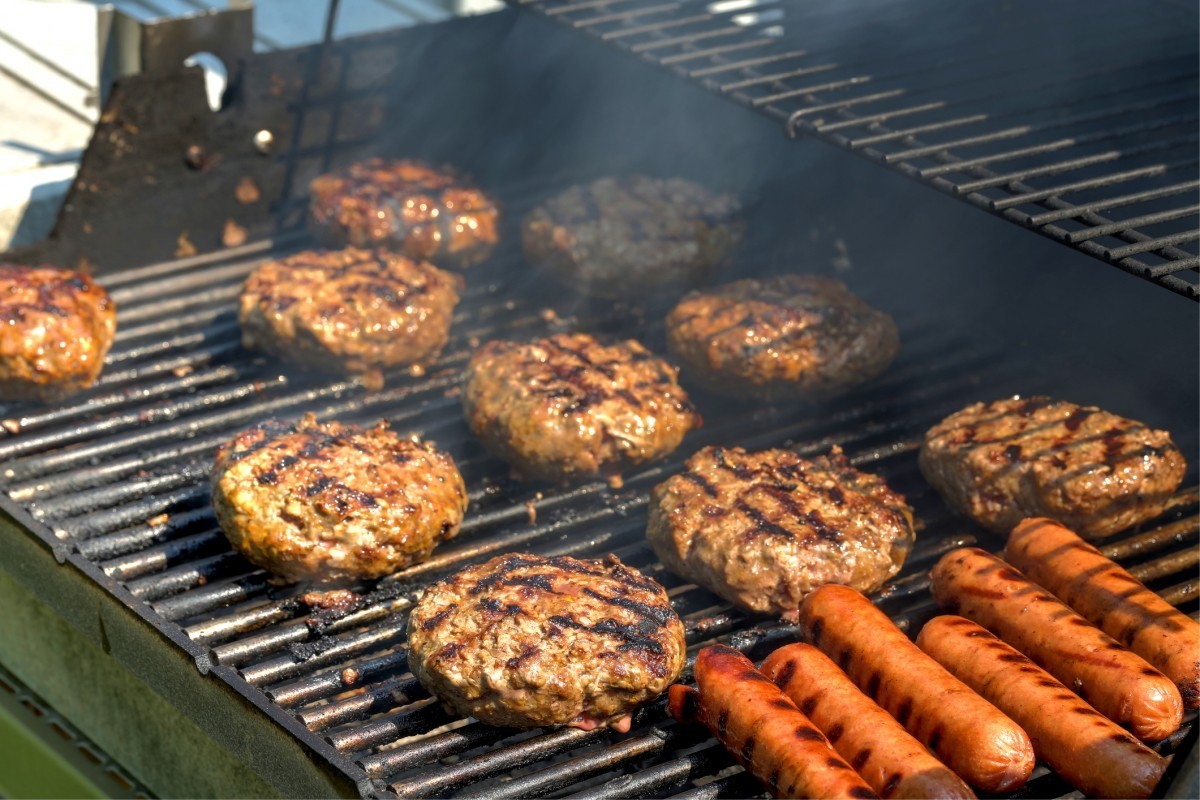
Food Safety and Inspection Service included hundreds of samples of chicken,
beef, and pork that were destined for grocers, restaurants, hospitals, schools,
and other food providers. And while it’s unclear how these drugs end up in meat,
experts suspect it’s due to contaminated feed and intentional misuse.
Food Safety and Inspection Service included hundreds of samples of chicken,
beef, and pork that were destined for grocers, restaurants, hospitals, schools,
and other food providers. And while it’s unclear how these drugs end up in meat,
experts suspect it’s due to contaminated feed and intentional misuse.
The list of drugs found includes ketamine, a
drug used medically as an anesthetic and antidepressant and recreationally as a
hallucinogen; phenylbutazone, an anti-inflammatory considered dangerous for
humans; nitroimidazoles, a class of powerful antibacterial drugs; and
chloramphenicol, an antibiotic known to cause severe side effects, including
potentially fatal anemia.
drug used medically as an anesthetic and antidepressant and recreationally as a
hallucinogen; phenylbutazone, an anti-inflammatory considered dangerous for
humans; nitroimidazoles, a class of powerful antibacterial drugs; and
chloramphenicol, an antibiotic known to cause severe side effects, including
potentially fatal anemia.
James E. Rogers, PhD, director of food safety
research and testing at Consumer Reports
and former microbiologist at FSIS, said:
research and testing at Consumer Reports
and former microbiologist at FSIS, said:
These results are
credible enough that you would expect the government to take the warning signs
seriously. You would hope the results would prompt the agency to look into why
these drugs may be present, what risks they could pose, and what could be done
to protect consumers.
Sadly, the agency charged with inspection
couldn’t care less about the presence of potentially deadly drugs. In fact,
FSIS has gone out of its way to discredit and downplay this shocking report.
couldn’t care less about the presence of potentially deadly drugs. In fact,
FSIS has gone out of its way to discredit and downplay this shocking report.
This isn’t the first time drugs have been
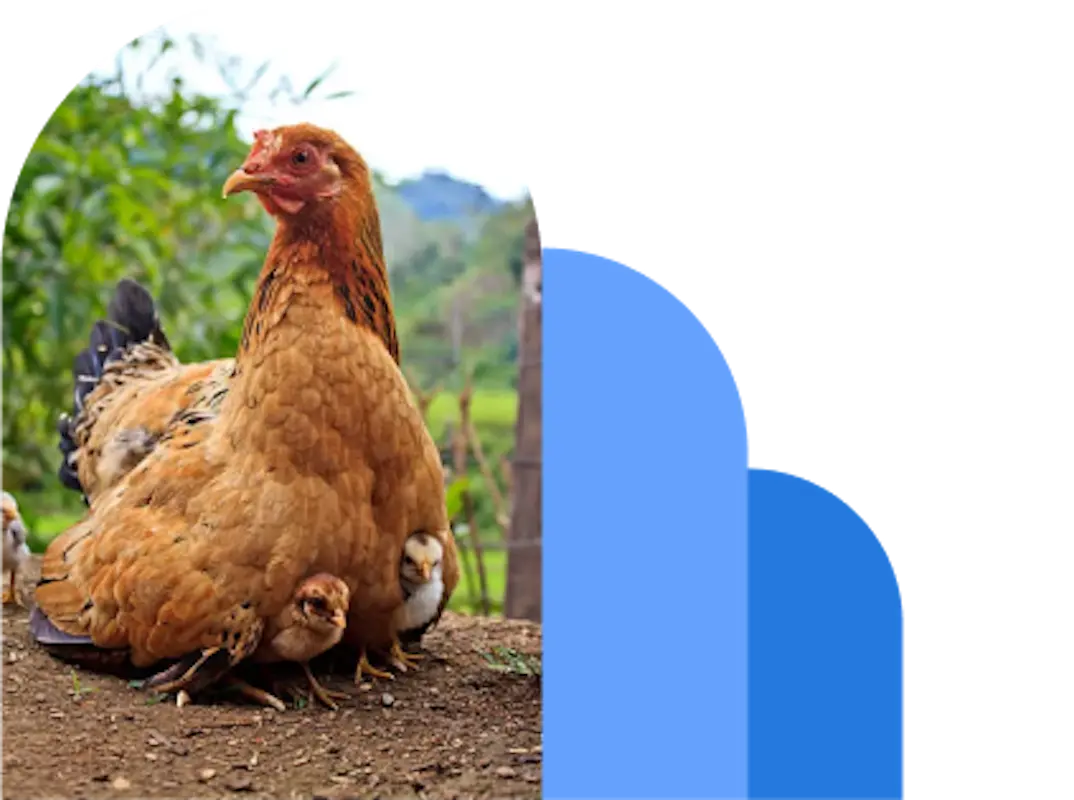
found in U.S. meat. Last year Sanderson Farms—the third-largest chicken producer in the
U.S.—was sued by three consumer groups over its claims that its
chicken products were “100% natural. The lawsuit accused the poultry producer
of false advertising after the USDA detected synthetic drugs and antibiotics in
samples of Sanderson Farms chicken products.
found in U.S. meat. Last year Sanderson Farms—the third-largest chicken producer in the
U.S.—was sued by three consumer groups over its claims that its
chicken products were “100% natural. The lawsuit accused the poultry producer
of false advertising after the USDA detected synthetic drugs and antibiotics in
samples of Sanderson Farms chicken products.
The tests also found steroids, pesticides,
growth hormones, and ketamine, all of which are either not approved or
explicitly banned in chicken production.
growth hormones, and ketamine, all of which are either not approved or
explicitly banned in chicken production.
It’s blatantly clear that the meat industry
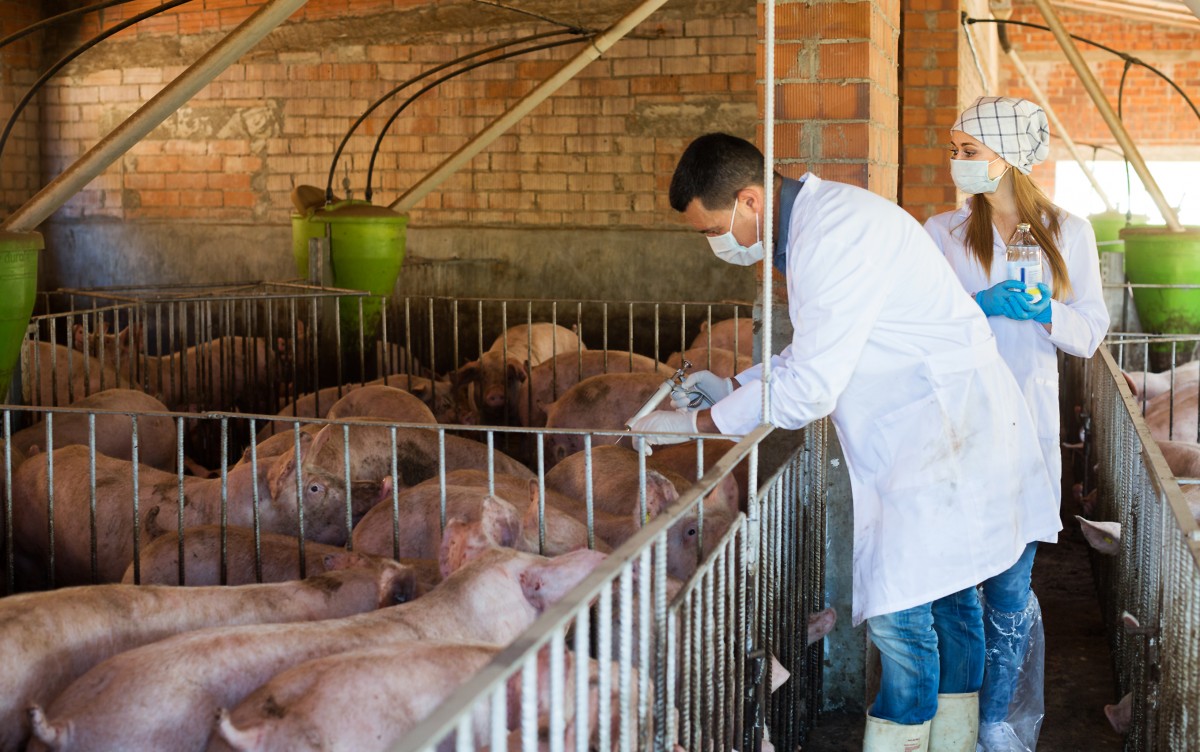
doesn’t care about breaking the law, so long as it can keep turning a profit. Animals raised for meat at factory farms are given more
than 450 different types of drugs to either grow faster or survive
conditions that would otherwise kill them. It should come as no surprise that 80 percent of all antibiotics in the U.S. are
administered to farmed animals.
doesn’t care about breaking the law, so long as it can keep turning a profit. Animals raised for meat at factory farms are given more
than 450 different types of drugs to either grow faster or survive
conditions that would otherwise kill them. It should come as no surprise that 80 percent of all antibiotics in the U.S. are
administered to farmed animals.
But that’s not all. At factory farms, animals
are subjected to intense and horrific abuse: gruesome mutilations; cramped
confinement and overcrowding; and violent, bloody slaughter. If we treated just
one dog or cat the way the meat, dairy, and egg industries treat billions of
animals, we’d be behind bars for animal abuse.
are subjected to intense and horrific abuse: gruesome mutilations; cramped
confinement and overcrowding; and violent, bloody slaughter. If we treated just
one dog or cat the way the meat, dairy, and egg industries treat billions of
animals, we’d be behind bars for animal abuse.
You can protect animals
and your health by choosing plant-based foods. Get a copy of our free Vegetarian Starter Guide.
and your health by choosing plant-based foods. Get a copy of our free Vegetarian Starter Guide.