When most of us reach for a package labeled “organic,” we are reaching for a promise. We believe we are choosing something cleaner, kinder, and closer to the way food is supposed to be. That instinct comes from a desire to do right by our families, our health, and the animals caught up in our food system.
But a label is only as honest as the practices behind it. And when it comes to chicken, the word “organic” carries far less than most people assume. I want to walk through what the label actually guarantees, what it quietly leaves out, and why a recent investigation into a farm that raised chickens for Costco should give every shopper pause.
What does “organic” chicken actually mean?
“Organic” is mostly a promise about inputs, not about how an animal lived.
For chicken to carry the USDA Organic seal, the birds must be raised on certified organic feed from no later than their second day of life. They cannot be given antibiotics or added hormones, and their feed must be free of GMOs and synthetic pesticides. Organic farms are also required to provide birds with access to the outdoors, clean conditions, and enough space to stand up, turn around, and stretch their wings.
Those are the standards, and they matter. But notice what they describe: what a chicken eats, what they’re not given, and basic housing conditions. That is a meaningful part of the picture. It is not the whole animal.
Does organic mean the animals were treated well?
Surveys have long shown that when shoppers choose organic, the vast majority expect high animal welfare standards behind it. For years, “access to the outdoors” could be satisfied with little more than a small screened porch. The USDA has since strengthened its organic welfare rules, setting minimum outdoor space requirements, requiring soil and vegetation rather than concrete, and limiting some painful practices. That is progress worth acknowledging.
Yet the most significant of those space requirements for chickens do not take full effect until 2029. And even at their strongest, the organic rules leave untouched the single greatest source of suffering in a modern chicken’s life.
Why can a chicken be “certified organic” and still suffer?
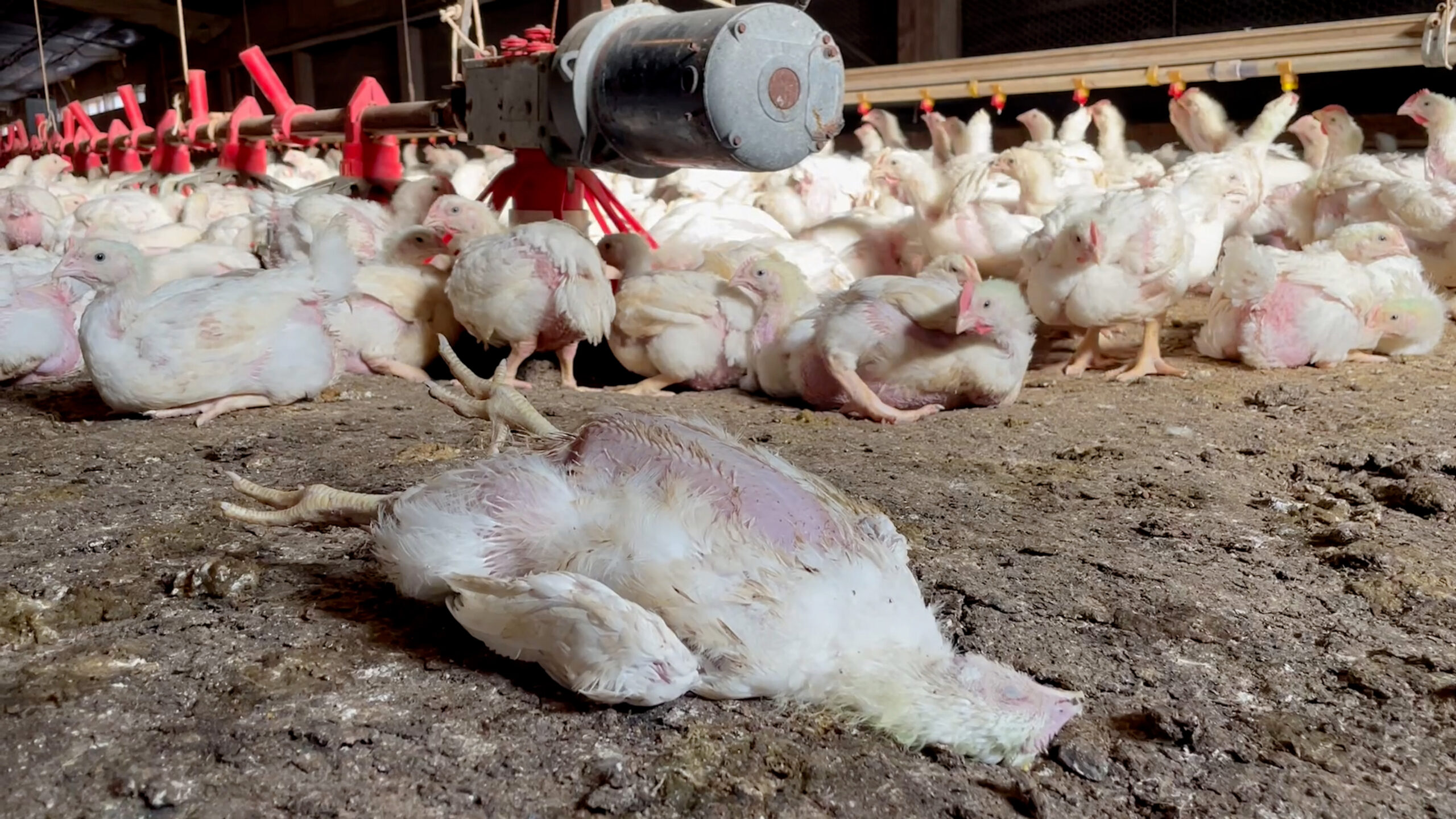
Because the organic label says almost nothing about how fast the bird was bred to grow.
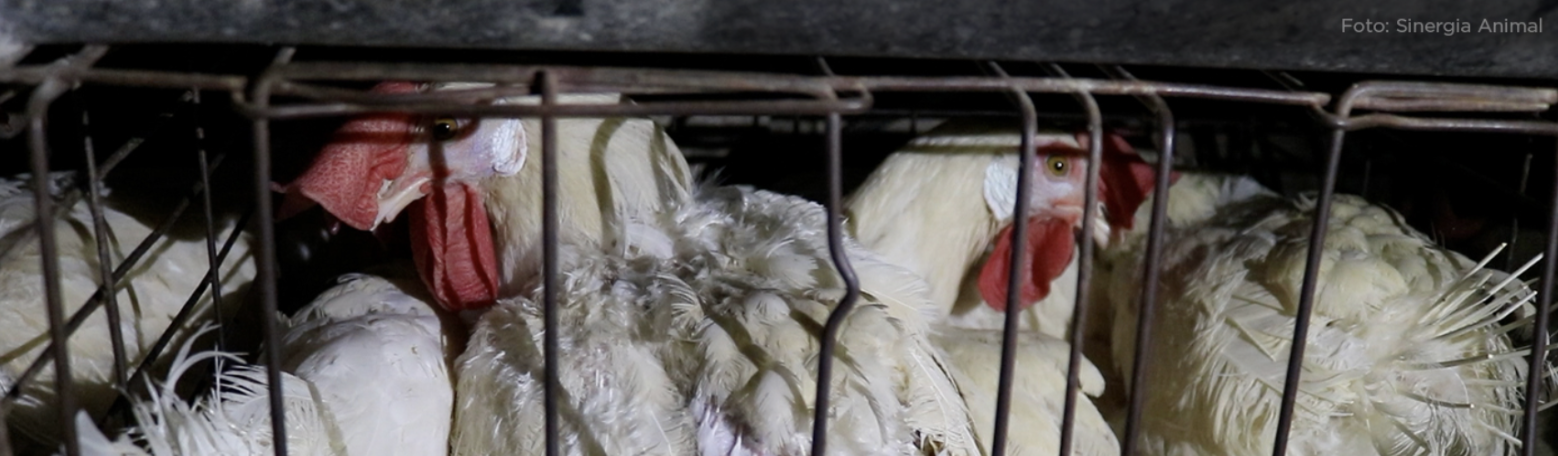
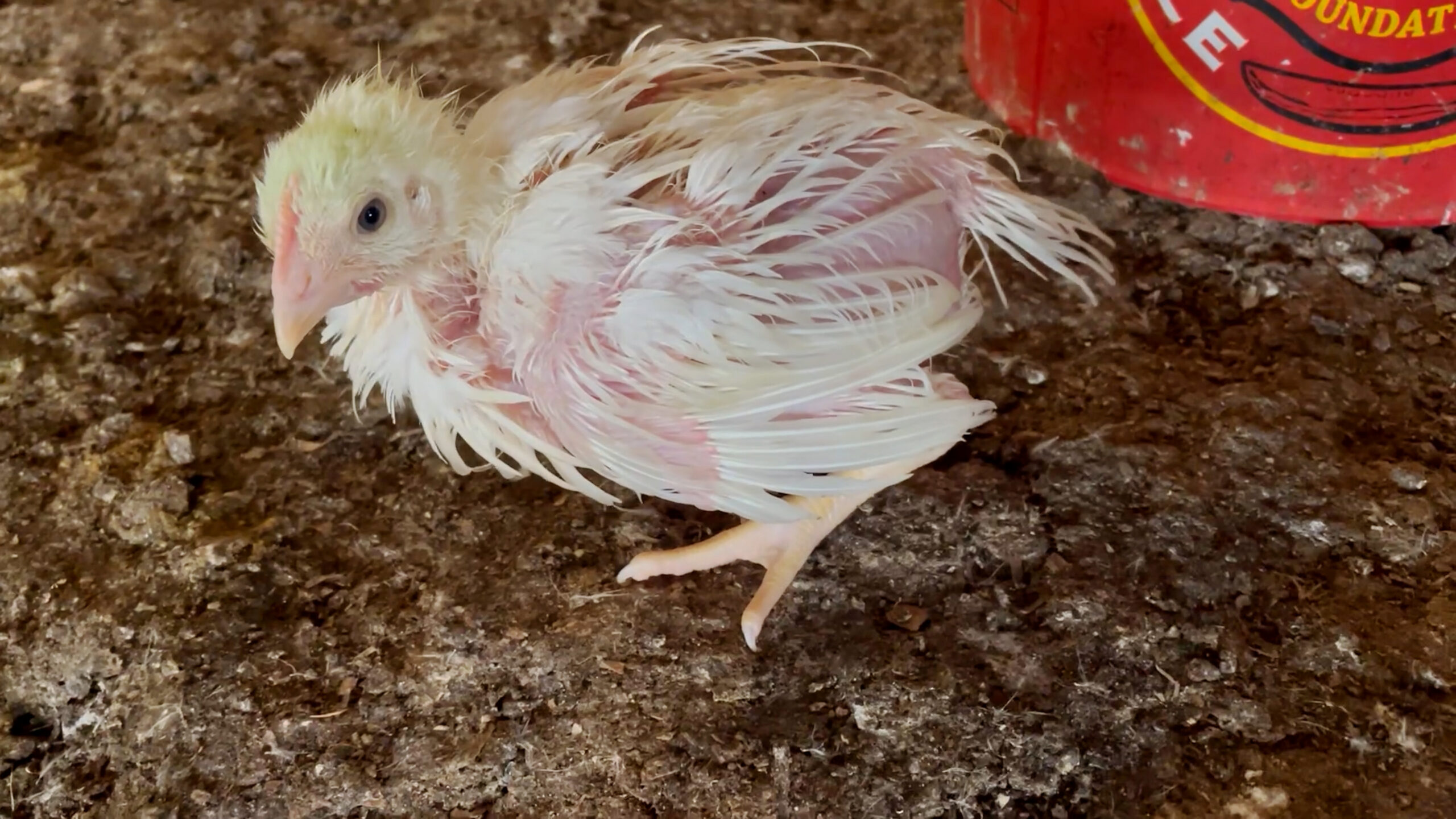
This is the part of the story that surprises people most. Today’s chickens are bred to gain weight so rapidly that their bodies often cannot keep up. Their legs buckle. Their hearts and lungs strain. Many struggle to walk, to reach food and water, or even to stand. This happens on conventional farms and organic ones alike, because growth rate is not something the organic seal regulates.
So a chicken can eat organic feed, live free of antibiotics, technically have a door to the outdoors, and still spend his or her short life in chronic pain. The label was never designed to prevent that. The gap between what the label promises and what it delivers is exactly where animals fall through the cracks.
What did the recent Costco Chicken investigation find?
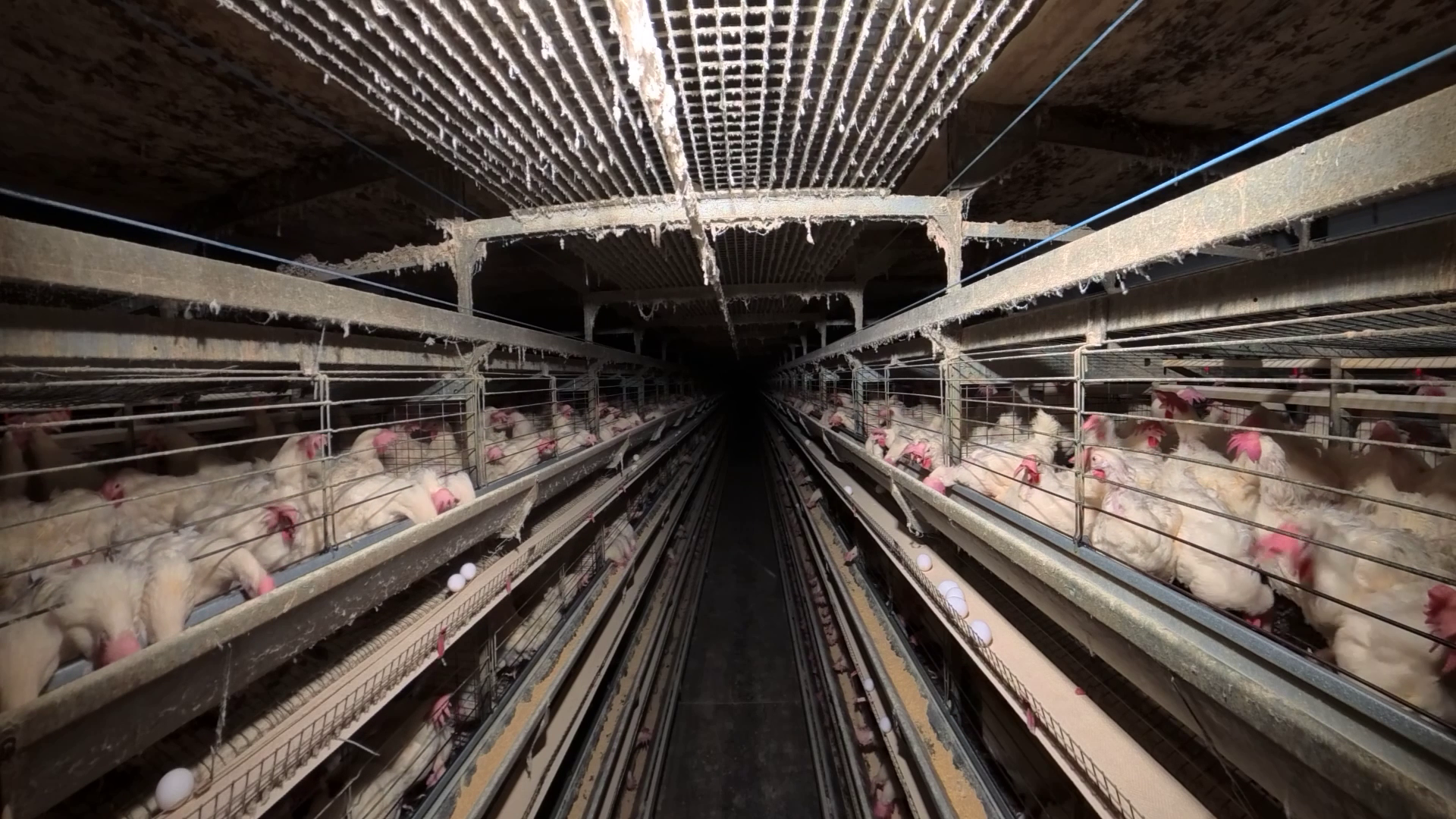
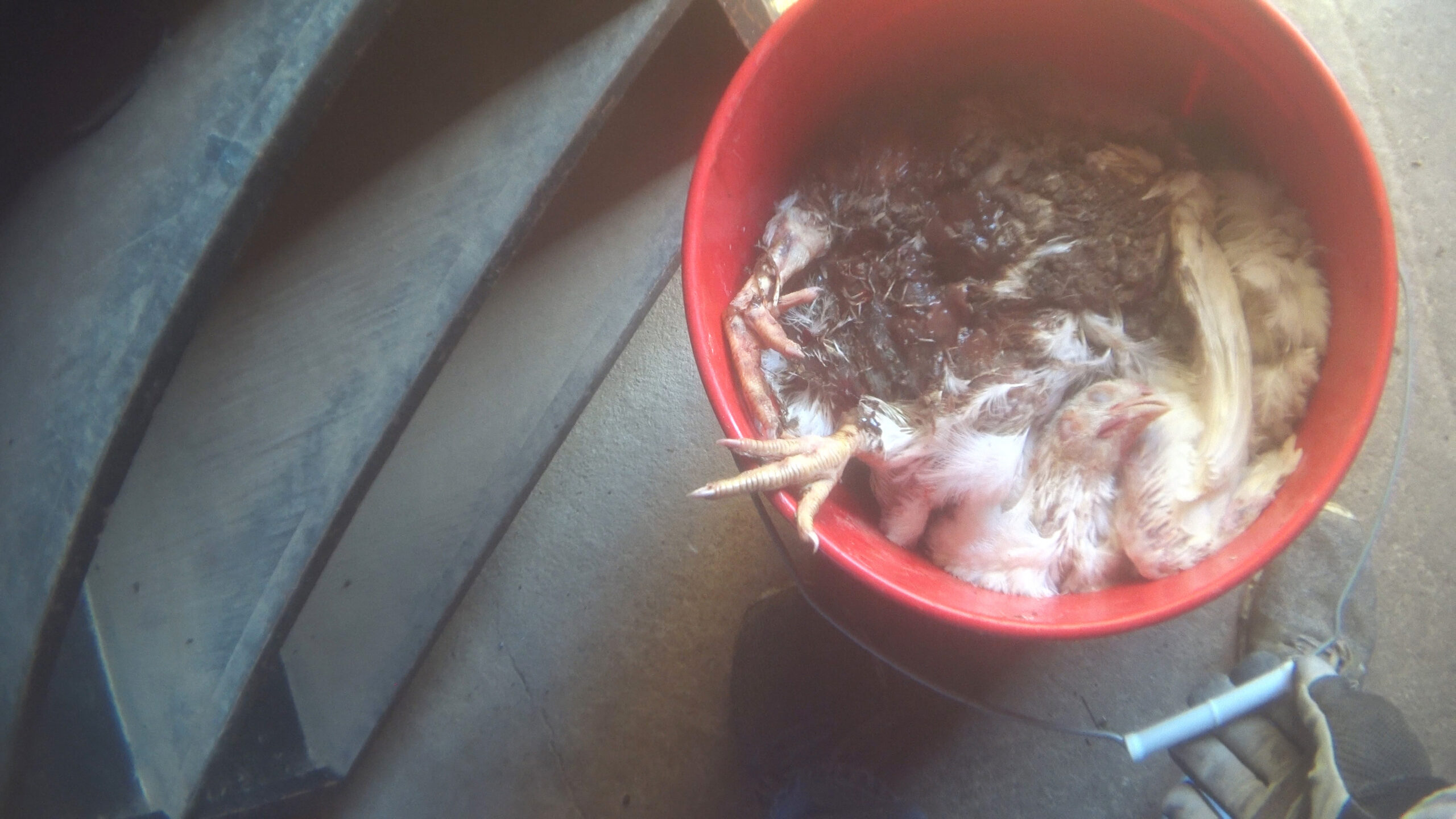
Earlier this year, a Mercy For Animals investigator documented cruelty that most shoppers would never knowingly pay for. At a USDA-certified organic farm in North Carolina that raised chickens exclusively for a Costco supplier, birds were beaten with sticks and bludgeoned with a pipe. Injured animals were left to languish among the bodies of their dead flockmates. Chickens bred to grow unnaturally fast collapsed under their own weight, unable to reach food or water. And baby chicks were crushed and buried alive, some still chirping beneath the compost.
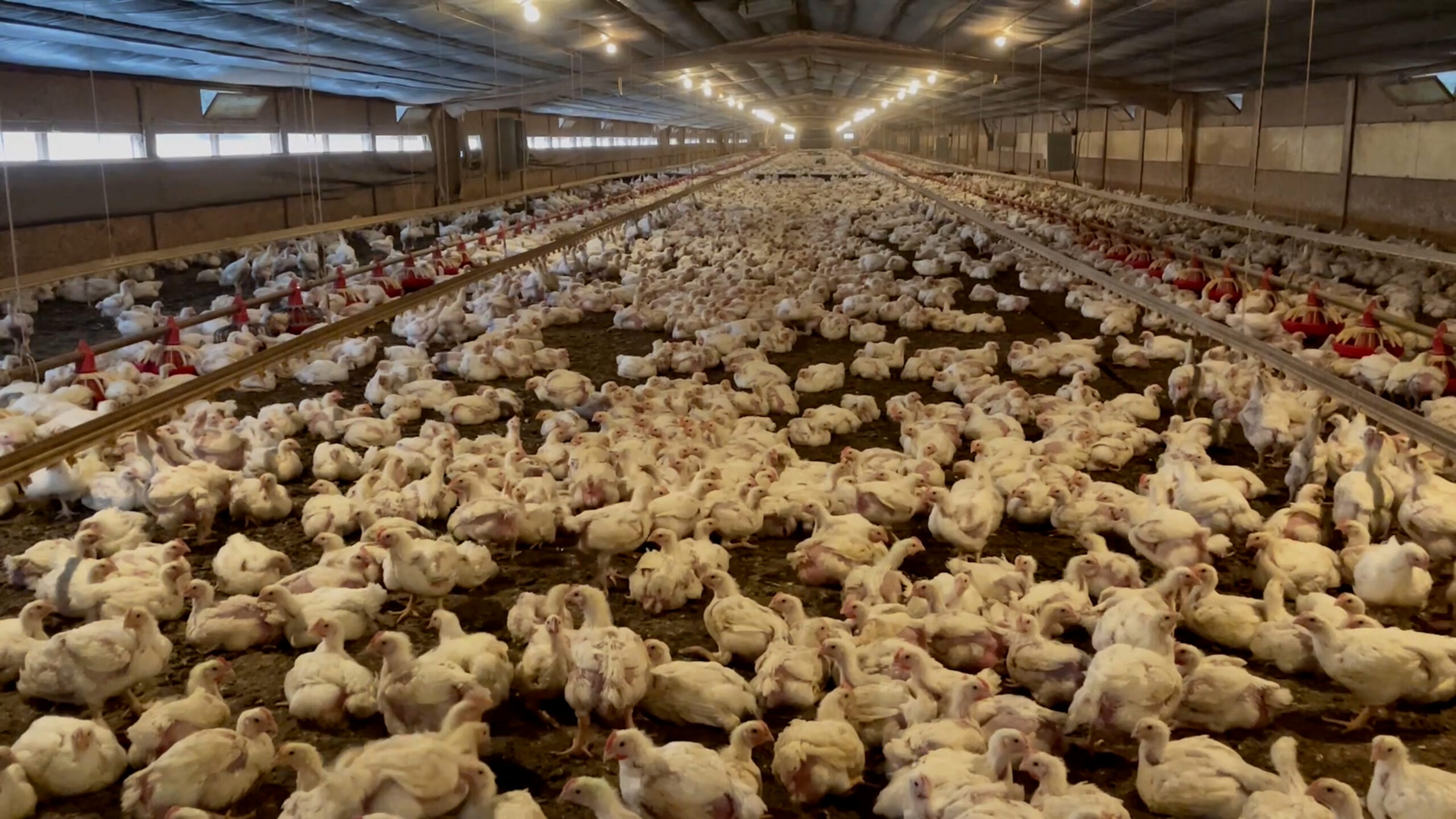
Our investigation also documented conditions inconsistent with USDA organic requirements and biosecurity failures tied to potential public health risks. This single farm is estimated to confine up to 520,000 chickens at a time and produce roughly 3.2 million pounds of chicken a year, all of it destined for shelves where it would be sold as “certified organic.” We have filed a legal complaint with law enforcement.
Has Costco been investigated for animal cruelty before?
This is the second time in five years that we have exposed cruelty connected to Costco’s chicken supply chain. After our 2021 investigation drew national attention, Costco publicly committed to doing better. Yet years later, our investigator walked into another farm raising chickens for Costco and recorded horrific suffering once again. The company had made a promise, but the cruelty continued.
I do not share this to shame anyone who shops at Costco. Millions of people trust the company, and that trust is precisely the point. When a business earns our loyalty, it takes on a responsibility to honor it. Accountability is not an attack; it’s what integrity looks like when practiced in daylight. A promise without enforcement is just words.
What can Costco do to improve animal welfare for chickens?
Costco has the power to reduce much of this suffering, and the path is well established. Across its supply chain, Costco could reduce suffering for more than 250 million chickens each year by committing to stronger, enforceable standards: raising breeds that grow at a healthier pace, giving birds more space and cleaner living conditions, strengthening oversight, and being transparent about its practices. None of this is radical. These are proven measures that responsible companies are already adopting. What is missing is not the knowledge. It is the will to follow through.
How do I tell Costco to improve animal welfare?
Your voice carries more weight than you might think. If you shop at Costco, you are not the problem. You are one of the most powerful reasons the company might finally change. Costco listens to its members, and members who speak up for animals are impossible to ignore. You can add your name and tell Costco to adopt meaningful, enforceable animal welfare standards at CostcoExposed.com.
We deserve a food system built on truth, and animals deserve a life free from suffering. It is time we demand both.