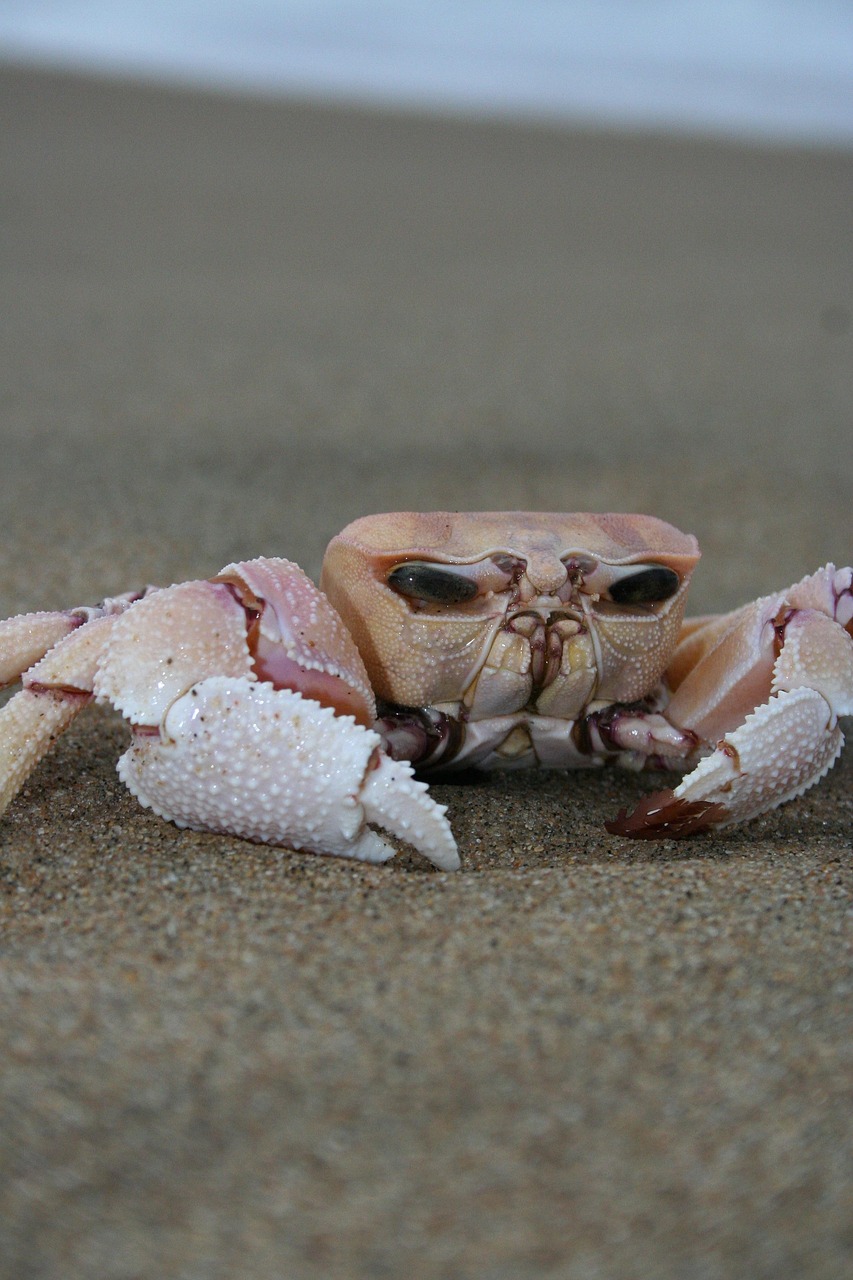
Crabs are among the most commonly consumed animals in the world. Millions are trapped in the ocean each year, hauled from their homes, transported long distances, and killed for food — often by being dismembered or boiled alive.
But do we need to worry about how crabs are treated? Do they have feelings?
They may not cry out in ways we recognize. They don’t have faces we easily read. But growing scientific evidence suggests that crabs can experience pain and distress. How we treat them matters.
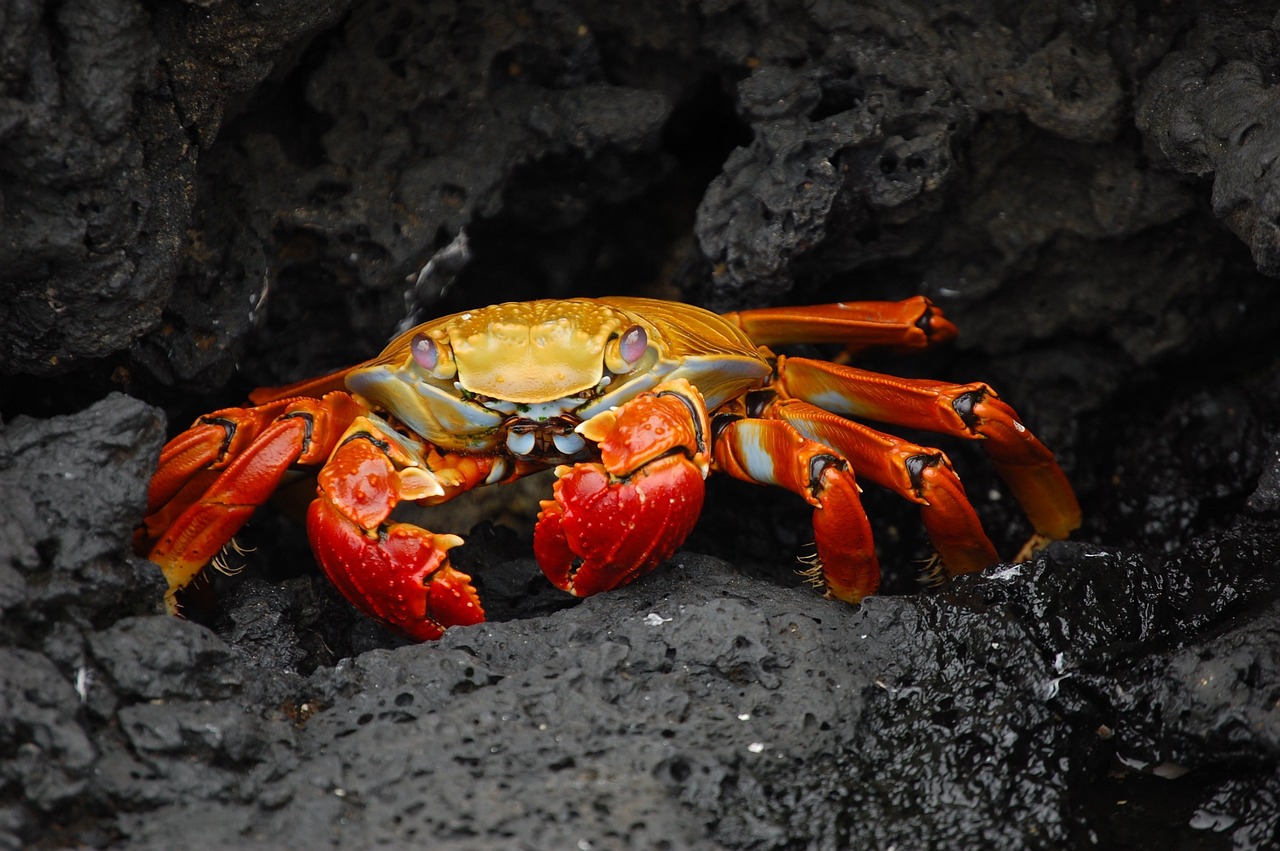
Scientific Evidence
For a long time, crabs were overlooked in discussions about suffering. But as researchers have taken a closer look, the picture has become clearer and harder to ignore.
Sensory Receptors
Crabs possess specialized sensory receptors called nociceptors. These receptors detect potentially harmful stimuli, such as extreme heat, injury, or electric shock, and send signals through the nervous system.
Nociception alone does not prove the subjective experience of pain. But it shows that crabs are biologically equipped to detect harm — a foundational component of suffering.
Behavioral Evidence
How crabs behave after being harmed may be especially telling.
In a 2013 study, shore crabs learned to avoid a shelter where they had previously received a mild electric shock, even though shelters provide safety. The crabs remembered what hurt them and made a different choice the next time. This kind of learning aligns with one of the key criteria scientists use to evaluate the possibility of pain.
Researchers have also observed crabs making trade-offs, such as abandoning a preferred shell or hiding place to escape a harmful stimulus. These decisions indicate evaluation and central processing, not simple mechanical reaction.
Recognized as Sentient
Pain isn’t just about detecting harm; it’s about how the brain processes it.
In 2021, an independent scientific review commissioned by the U.K. government evaluated more than 300 studies on cephalopods and decapod crustaceans, including crabs. The review concluded there is strong scientific evidence of sentience in decapods.
In other words, crabs are likely capable of experiencing pain and distress. They’re not merely reacting reflexively.
Following that review, the United Kingdom formally recognized decapod crustaceans, including crabs, as sentient beings under the Animal Welfare (Sentience) Bill. This recognition reflects what the science increasingly shows: when crabs are harmed, they are most likely experiencing pain.
Why This Matters
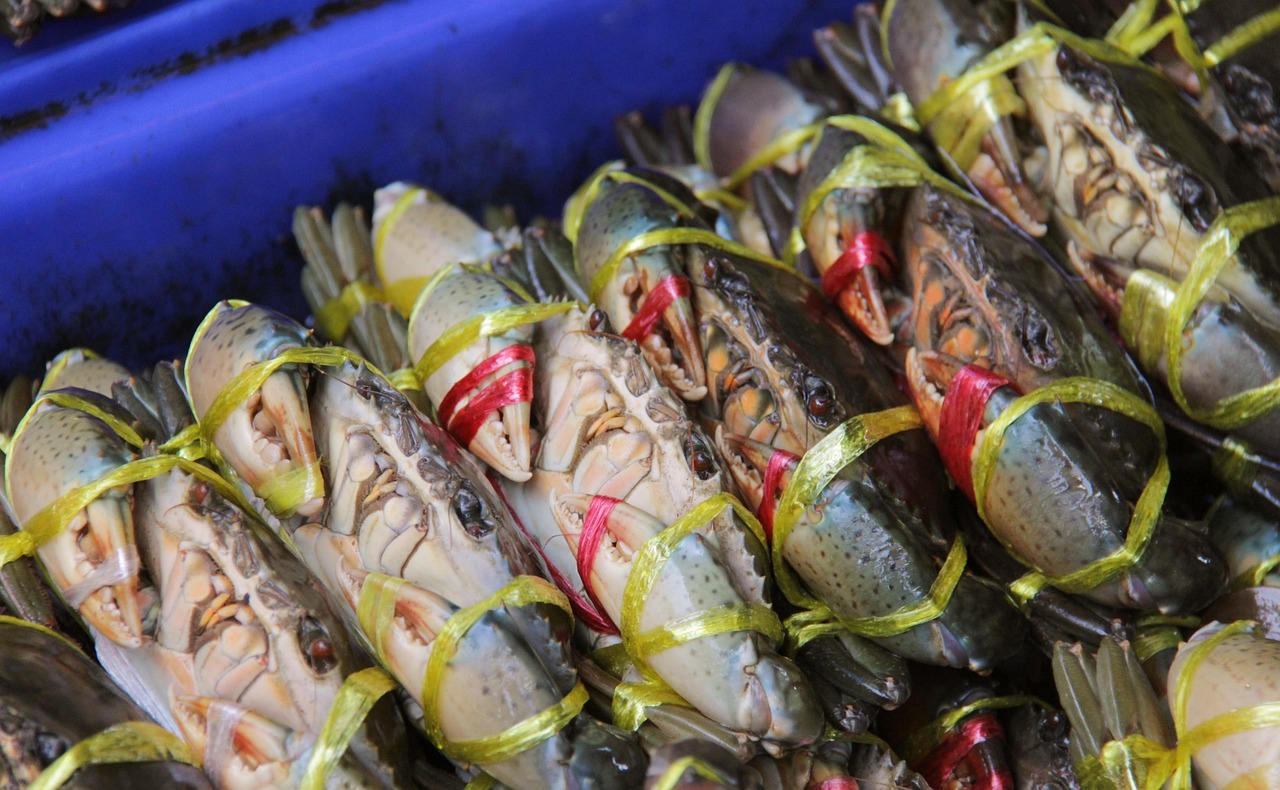
In the seafood industry, crabs are commonly:
- Confined in traps for extended periods
- Kept out of water during transport
- Stored on ice
- Dismembered while conscious
- Boiled alive
If crabs can experience pain — and the evidence strongly suggests they can — these practices may cause intense suffering. That alone should give us pause.
Even if there were uncertainty, the possibility of suffering is enough to warrant compassion.
What You Can Do
The best way to ensure we’re not causing pain and suffering to crabs (and all animals) is by leaving them off our plates. Choosing plant-based foods is a decision to extend compassion to animals whose pain we are only beginning to fully understand.