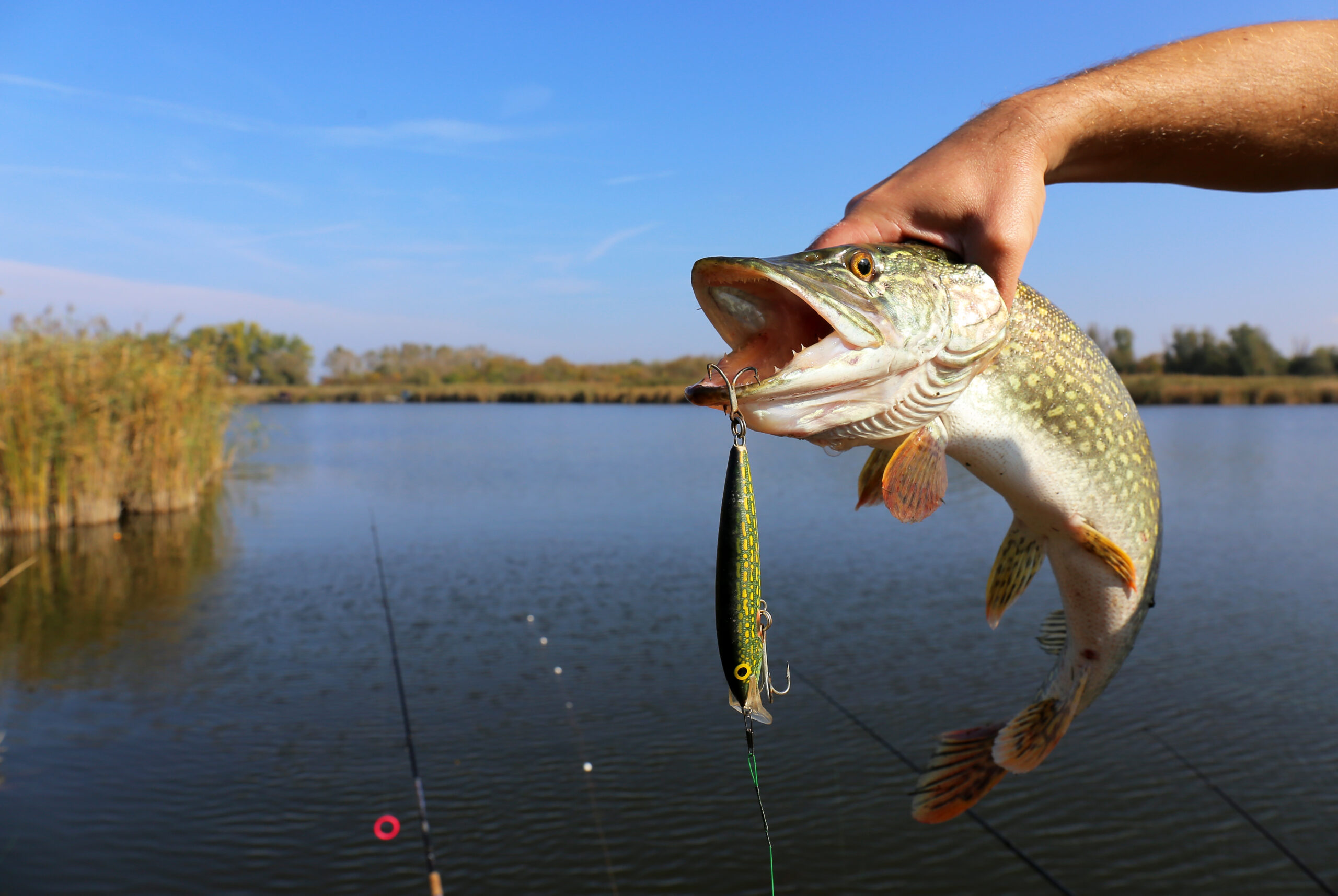
Fish don’t have vocal cords to scream, but that doesn’t mean they’re not in pain. A new peer‑reviewed study in Scientific Reports delivers disturbing evidence: Rainbow trout, and likely many other fish species, endure up to 21.7 minutes of pain before losing consciousness during common slaughter practices. The study further validates that fish’s pain is not merely reflexive. Their brains and stress responses show that, just like other animals, their suffering is conscious and deeply upsetting for them.

What the Study Found:
- Air asphyxiation, a widespread method of killing fish, inflicts 2–21.7 minutes of pain before the animals lose consciousness. On average, trout suffer about 10 minutes of moderate to intense pain, but in some cases, the agony can last beyond 20 minutes.
- After fish are taken out of the water, their movements slow over time, and the animals eventually become still. But this doesn’t necessarily mean they are unconscious. Many scientists believe that fish become still due to metabolic exhaustion but remain awake and aware.
- Fish pulled from the water are exposed to high levels of carbon dioxide and experience a strong, distressing urge to breathe, just as humans would if trapped underwater. This triggers intense behavioral responses, including gasping and attempts to escape.
- Increased carbon dioxide leads to blood acidification, causing pain, anxiety, and panic. Fish release the same stress hormones known to provoke panic attacks in humans, suggesting they may experience similarly intense distress.
- Even slaughter methods that seem gentler than air asphyxiation, like chilling fish in ice slurry, can prolong suffering because the cold slows metabolism and delays unconsciousness.
- Methods of quickly rendering fish unconscious, such as electrical or percussive stunning (hitting fish over the head), could reduce pain if performed correctly. But as investigations have documented in slaughterhouses around the world, stunning methods often fail, resulting in prolonged, agonizing deaths for animals.
A Tragedy on a Global Scale
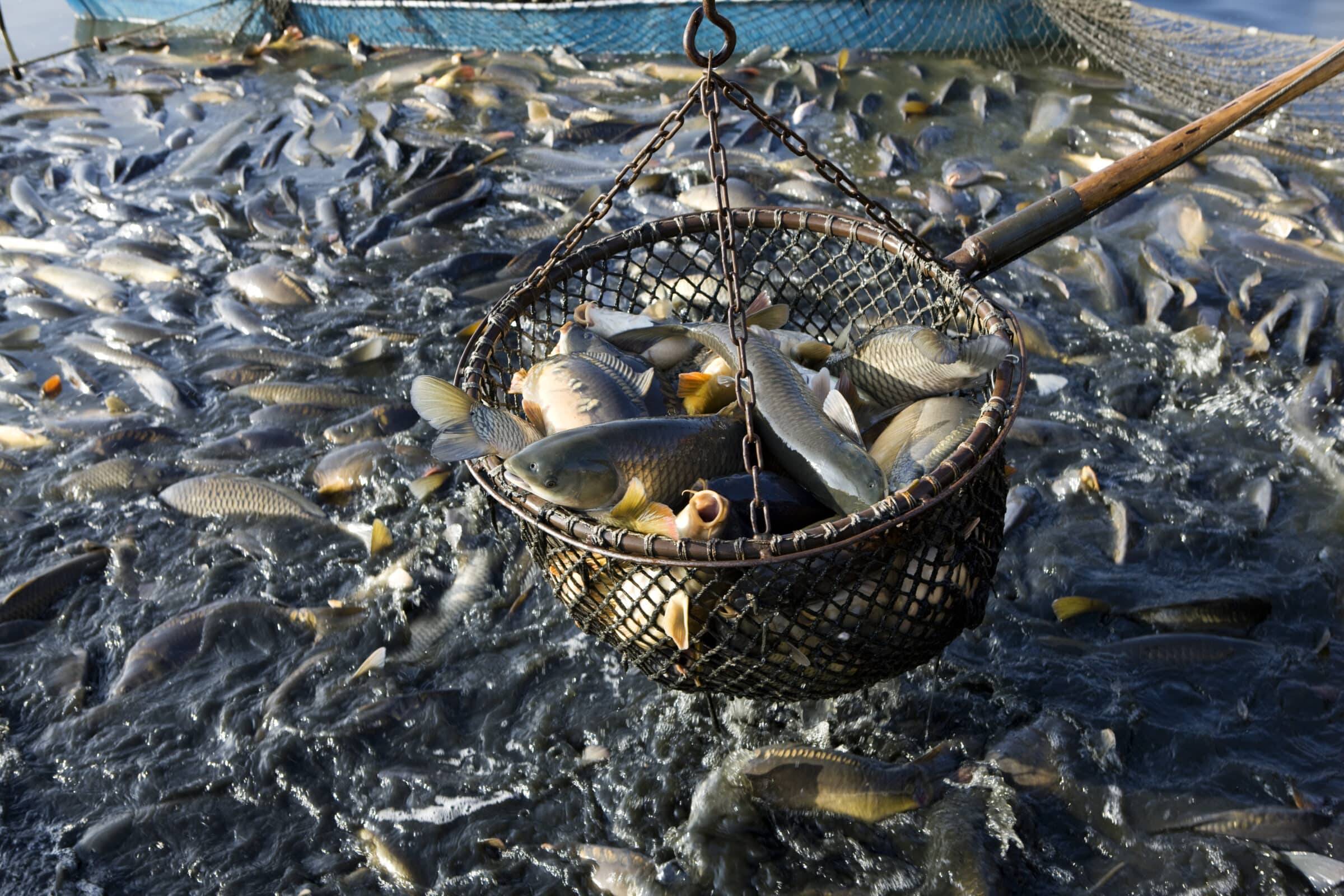
Science increasingly confirms that fish are as complex, sensitive, and capable of suffering as other animals, but despite this, no U.S. federal laws regulate their handling or slaughter. Each year, over two trillion wild and farmed fish around the world are killed for food.
What You Can Do
Fish feel pain. They suffer in profound ways, but we all have the power to remove our support of this cruelty. The best way to help fish is to choose more plant-based foods. Every meal makes a difference! You can also help spread the word by sharing this research on social media.