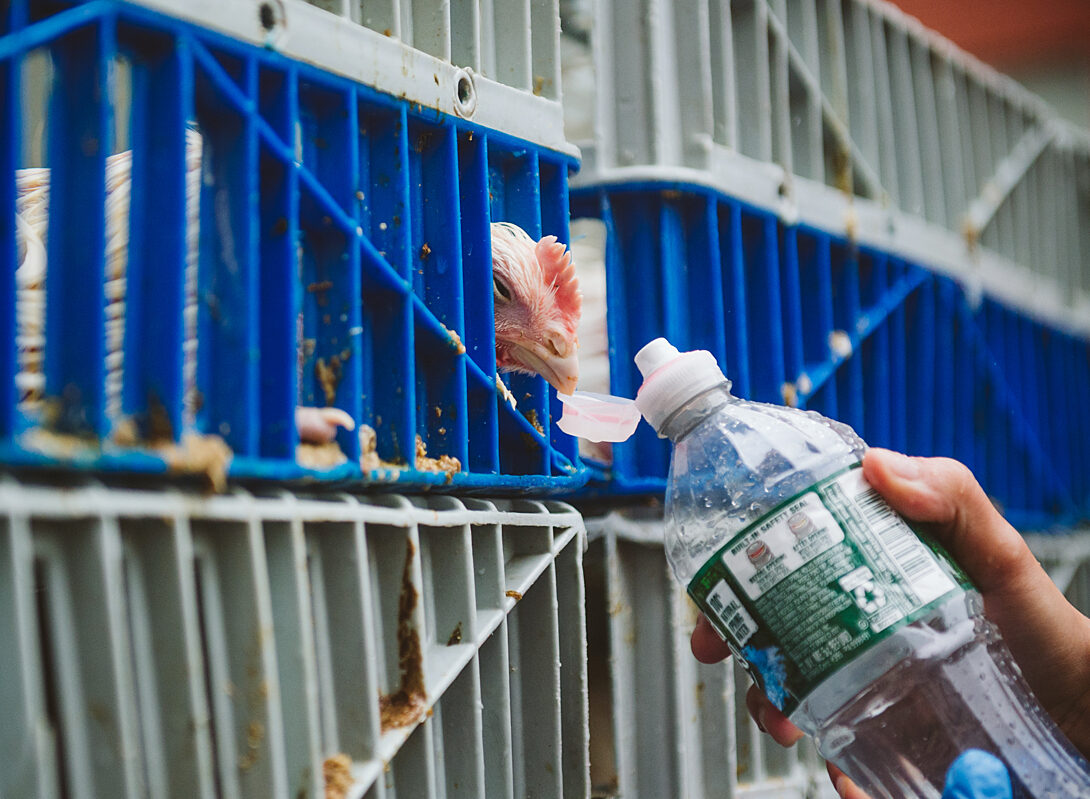
Cover Photo: Victoria de Martigny / We Animals
Live bird markets exist in the United States? Yes, it’s true! The northeastern United States has the highest concentration of live bird markets (LBMs) in the country. These markets are mainly in New York, Pennsylvania, New Jersey, Connecticut, Maine, Massachusetts, and Rhode Island, and California has many LBMs to put on your radar. Each state operates its LBMs differently, but the markets bear many similarities in their setup. Most birds sent to urban markets come from farms in the Northeast, the Midwest, the Mid-Atlantic, and Canada—possibly from communities near you!
Why Are LBMs Cruel?
In the northeastern United States, live birds are sold through a complex system of farms, dealers, and markets. The most active systems are in New York, Pennsylvania, and New Jersey, with New York having the most LBMs at 87.
LBMs sell a shocking variety of birds, including chickens, ducks, geese, pigeons, turkeys, and quails. Some markets also exploit other animals, such as sheep, goats, and rabbits.
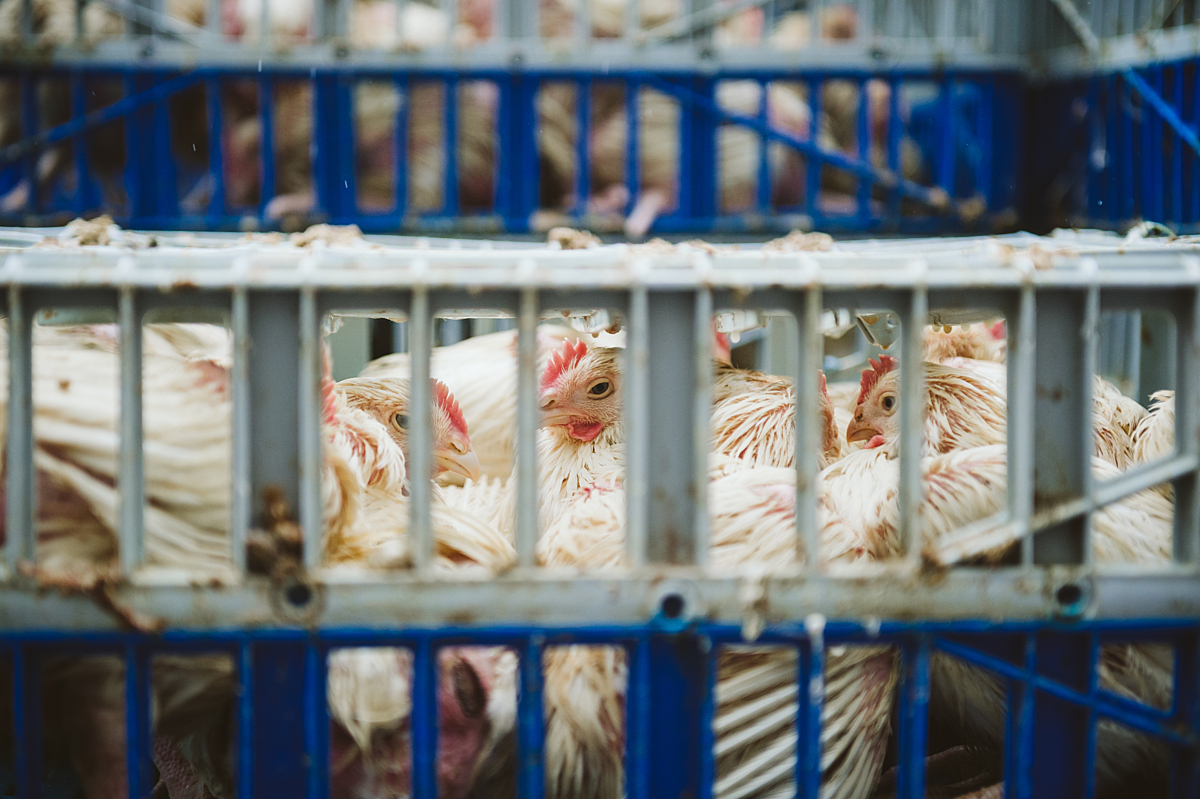
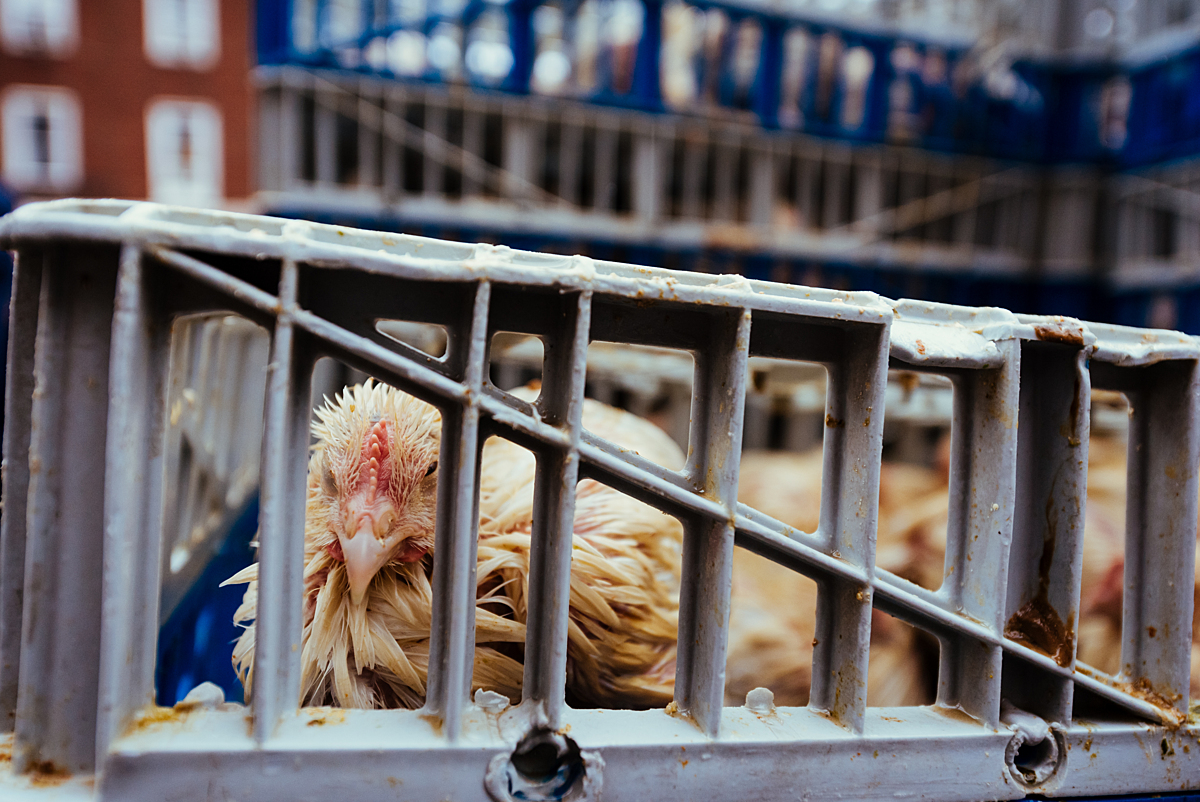
Before reaching the markets, birds endure grueling transport, often for hundreds of miles without access to water or food regardless of weather conditions. LBMs also impose intolerable living conditions on animals. Birds are crammed into small cages that severely restrict their movement and natural behaviors, causing significant physical and psychological stress.
LBMs prioritize profit over animals’ lives. Such commodification undermines the intrinsic value of animals and fosters a mindset that reduces them to mere objects rather than living beings who deserve our respect and care.
What Are the Human Health Risks of LBMs?
Because they confine stressed animals in close quarters, LBMs can be breeding grounds for zoonotic diseases, diseases that can be transmitted from nonhuman animals to humans. This presents a public health risk, as viruses and other pathogens can spread rapidly in such environments.
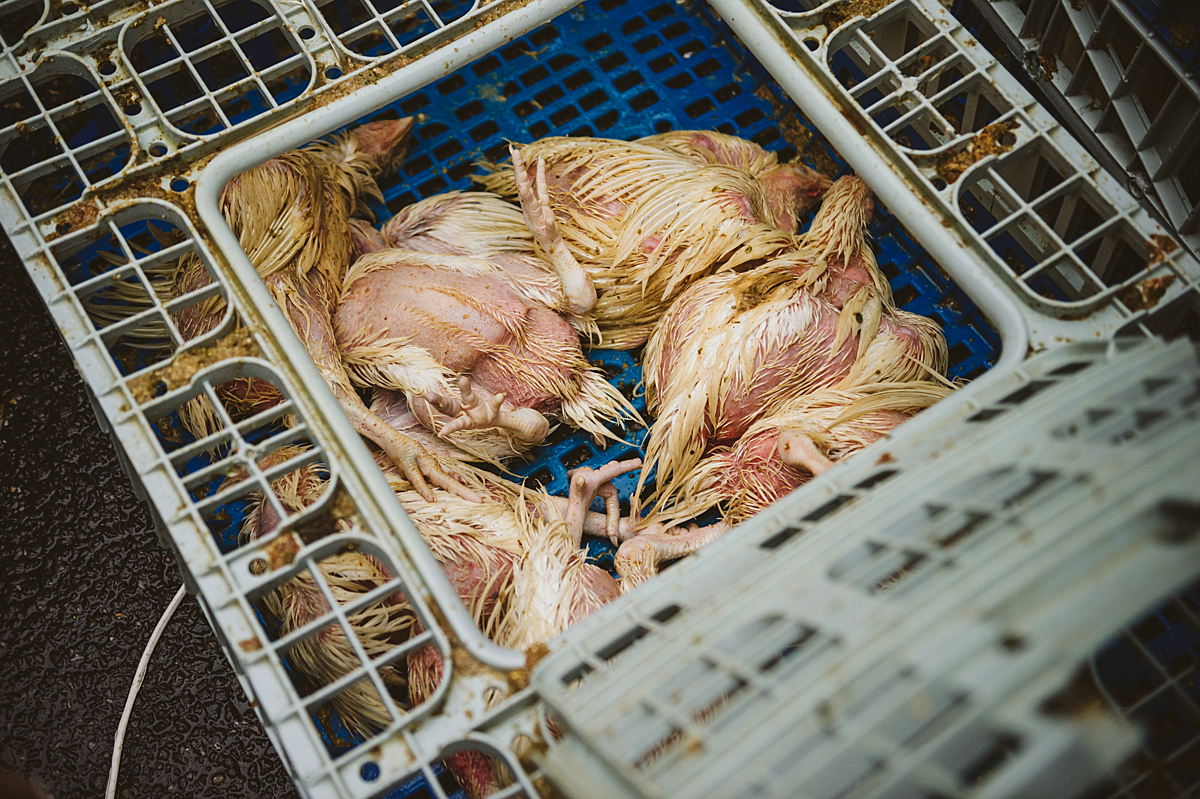
Amid ongoing public health concerns about avian flu, recent developments in New York highlight the urgent need for reforms in our treatment of animals and the detrimental effects these markets can have on communities. LBMs in New York City, Long Island, and Westchester were closed for a week after routine inspections uncovered seven cases of avian flu at these markets. All infected flocks were “depopulated,” or killed en masse.
This isn’t the first time LBMs in the state have faced closures:
- In 2022 and 2023, New York State inspectors closed seven locations for five days because of bird flu. The markets were allowed to reopen after cleaning.
- In February 2022, Kikiriki Live Poultry in Brooklyn had ducks, chickens, and guinea fowl with bird flu.
- Tiba Live Poultry Market in Ridgewood, Queens, also had bird flu cases in early 2022.
- To date, 62 flocks in New York State have tested positive for bird flu.
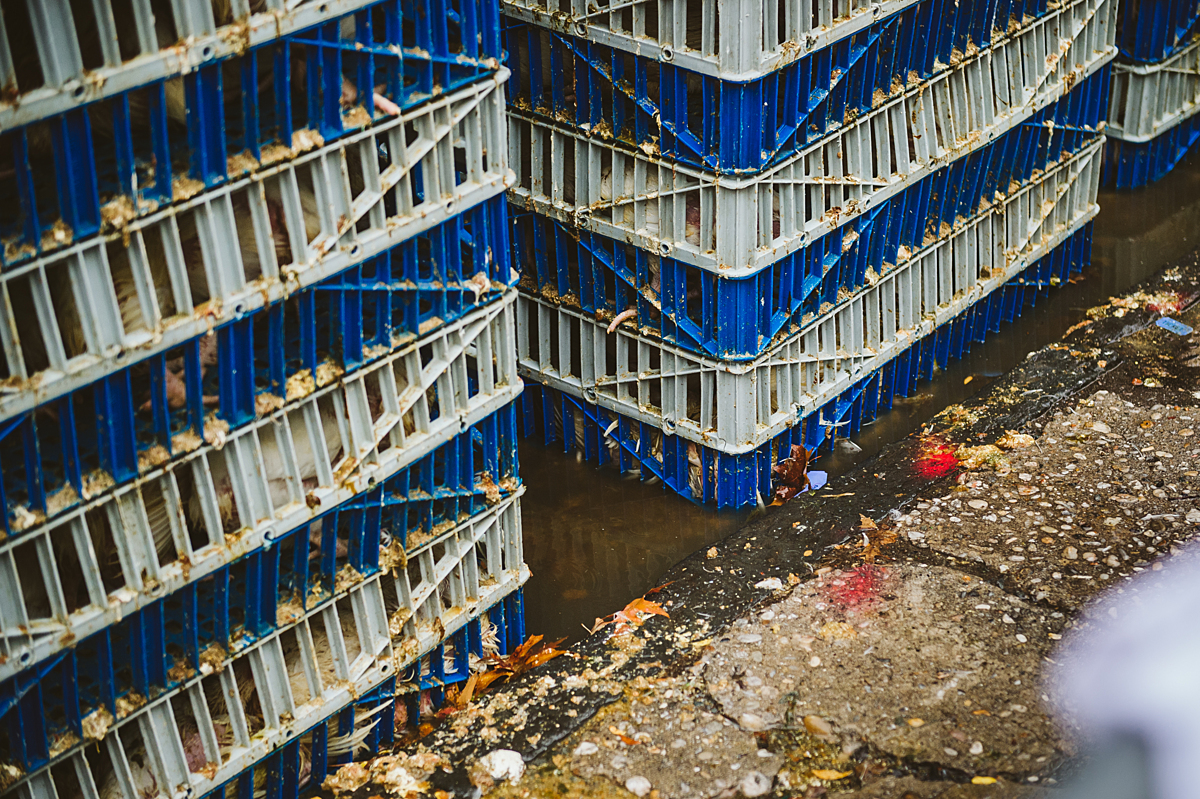
The H5N1 virus is particularly contagious and has run rampant in factory farms and LBMs, where chickens, turkeys, and other farmed animals are forced to live practically on top of one another. The virus has also made the leap to other species, including cats, racoons, grizzly bears, dolphins, cows used for dairy, and humans.
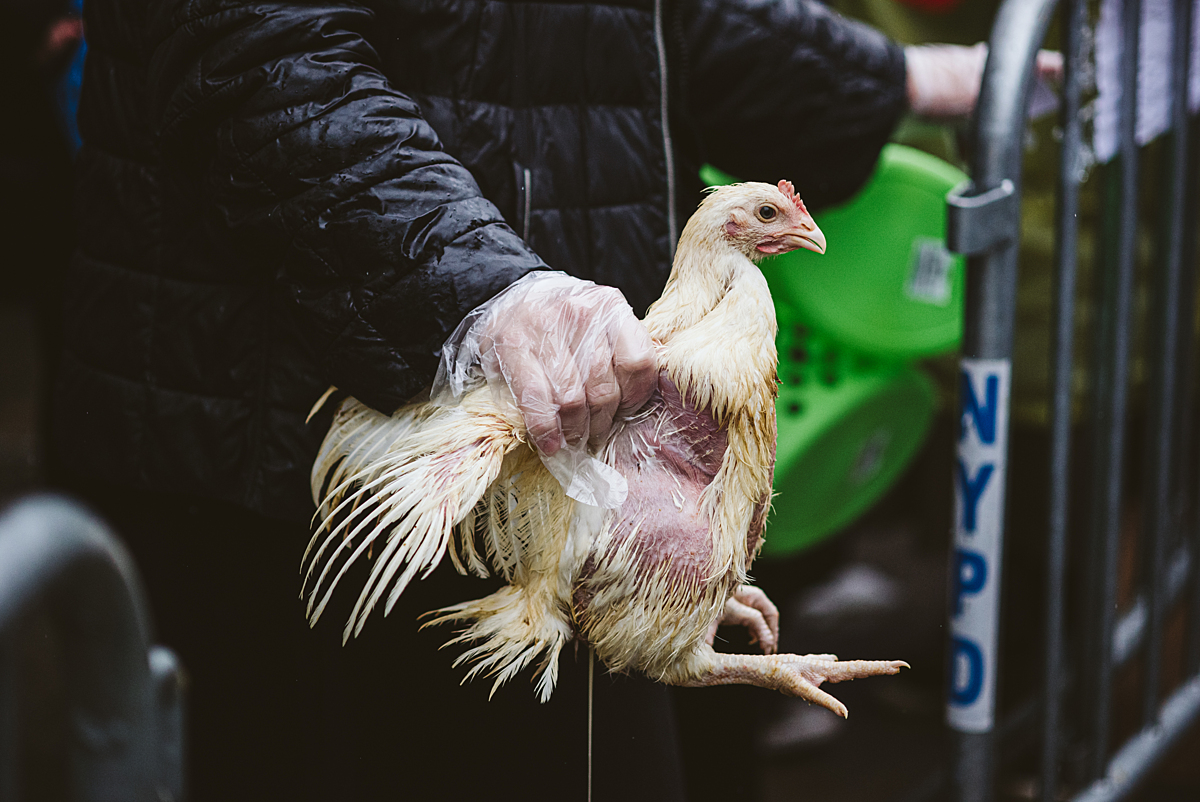
This is a predictable consequence of the LBM and factory-farming systems and highlights the urgent need to respect and protect farmed animals. Keeping animals crammed together is a recipe for spreading dangerous diseases, and it is cruel to the animals involved. By choosing plant-based foods, we can spare animals a lifetime of neglect and misery.