Certified Humane-verified in-ovo sexing program sets a new U.S. welfare standard for egg production
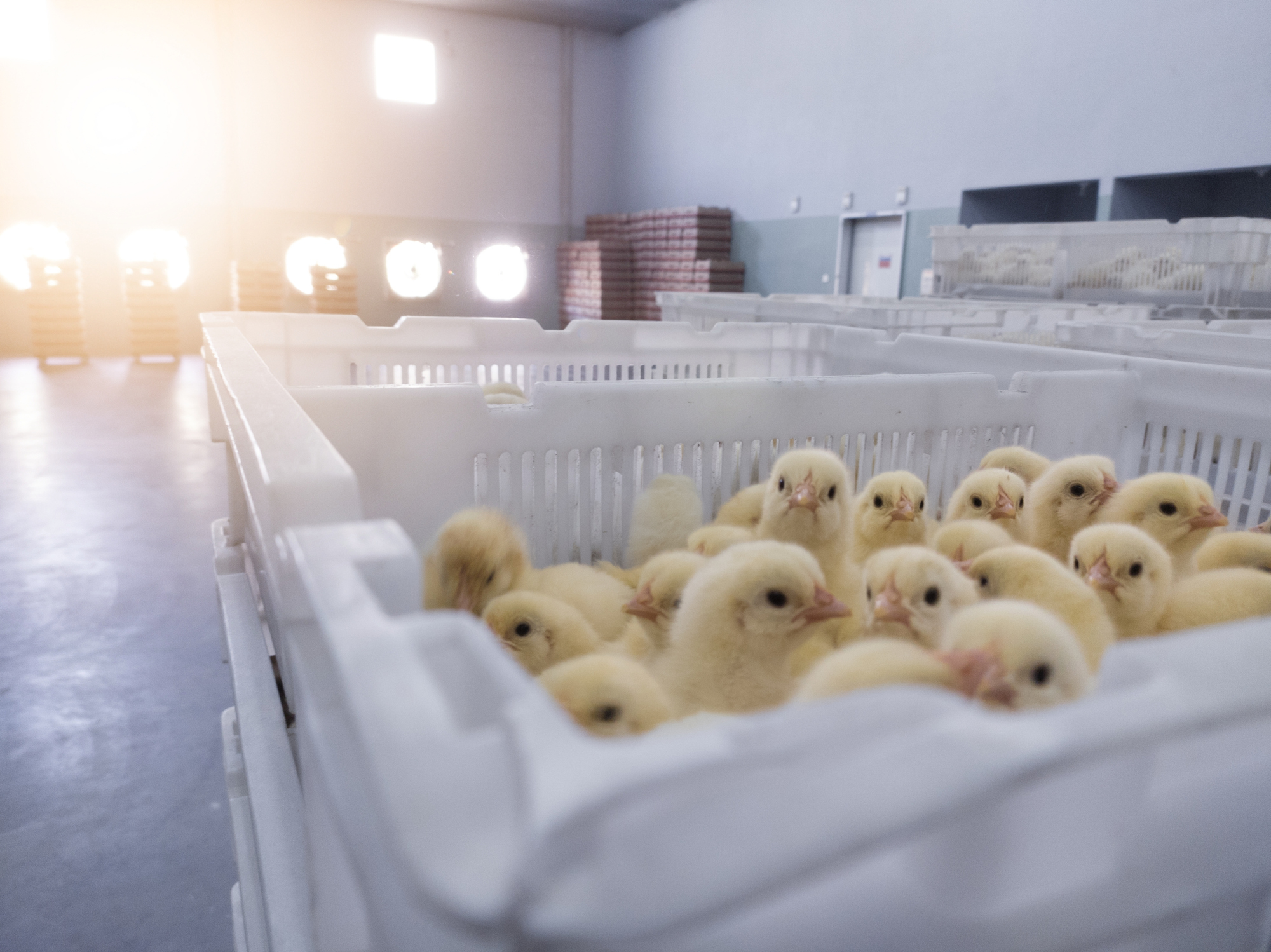
LOS ANGELES — Mercy For Animals is celebrating a major win for animals: NestFresh is now the first U.S. egg brand to eliminate the mass killing of male chicks across its supply chain. Through its new Humanely Hatched™ program, NestFresh uses in-ovo sexing technology to determine a chick’s sex before hatching—stopping the cruelty before it starts.
Certified Humane® backs the move, and the program reflects extensive collaboration with Mercy For Animals’ corporate engagement team.
Every year, an estimated 300 million male chicks are ground up or gassed alive in U.S. hatcheries simply because they cannot lay eggs. NestFresh just proved this brutal practice is both unnecessary and preventable, and industry excuses are no longer acceptable.
“NestFresh is showing real leadership,” said Kelcie Leach, Mercy For Animals’ corporate relations manager, U.S. & Canada. “By ending the routine killing of male chicks and launching a transparent, Certified Humane-verified program, they’ve drawn a clear line in the sand. This combination of innovation, third-party verification and industry transparency is the new standard, and we’re calling on the rest of the egg industry to catch up or be left behind.”
Key highlights of the NestFresh Humanely Hatched™ program:
- 245,000+ male chicks spared to date
- First U.S. egg brand with Certified Humane®-verified in-ovo sexing
- Backed by top animal welfare certifiers, including HFAC and the ASPCA
This initiative uses Cheggy in-ovo technology from Agri Advanced Technologies to prevent male chicks from hatching only to be killed. It’s a milestone with wide-reaching implications for animal welfare, consumer trust, and industry reform.
Germany, France, and Italy have already banned male-chick culling, and it’s time the U.S. caught up.
Mercy For Animals is calling on major egg producers, like Cal-Maine Foods, Rose Acre Farms, Daybreak Foods Inc., Hillandale Farms, grocers and foodservice providers to phase out male-chick culling by 2026 and commit to adopting proven technologies like in-ovo sexing.
“The public is watching,” added Leach. “Companies that continue ignoring this issue are out of step with science and consumer expectations. NestFresh has shown what’s possible. Now we need the rest of the industry to act—or be held accountable.”
For more information or to schedule an interview with Kelcie Leach, please contact Jessica Bohrson at [email protected].
###
Mercy For Animals is a leading international nonprofit working to end industrial animal agriculture by constructing a just and sustainable food system. Active in Brazil, Canada, India, Mexico, Southeast Asia and the United States, the organization has conducted over 100 investigations of factory farms and slaughterhouses, influenced over 500 corporate policies and helped pass historic legislation to ban cages for farmed animals. Learn more at MercyForAnimals.org.