New Study: Adolescent Cows Get Moody Like Human Teenagers

Hannah Bugga February 20, 2020
According to a new study published in Royal Society Open Science, human teenagers and adolescent cows have something in common—they both get moody.
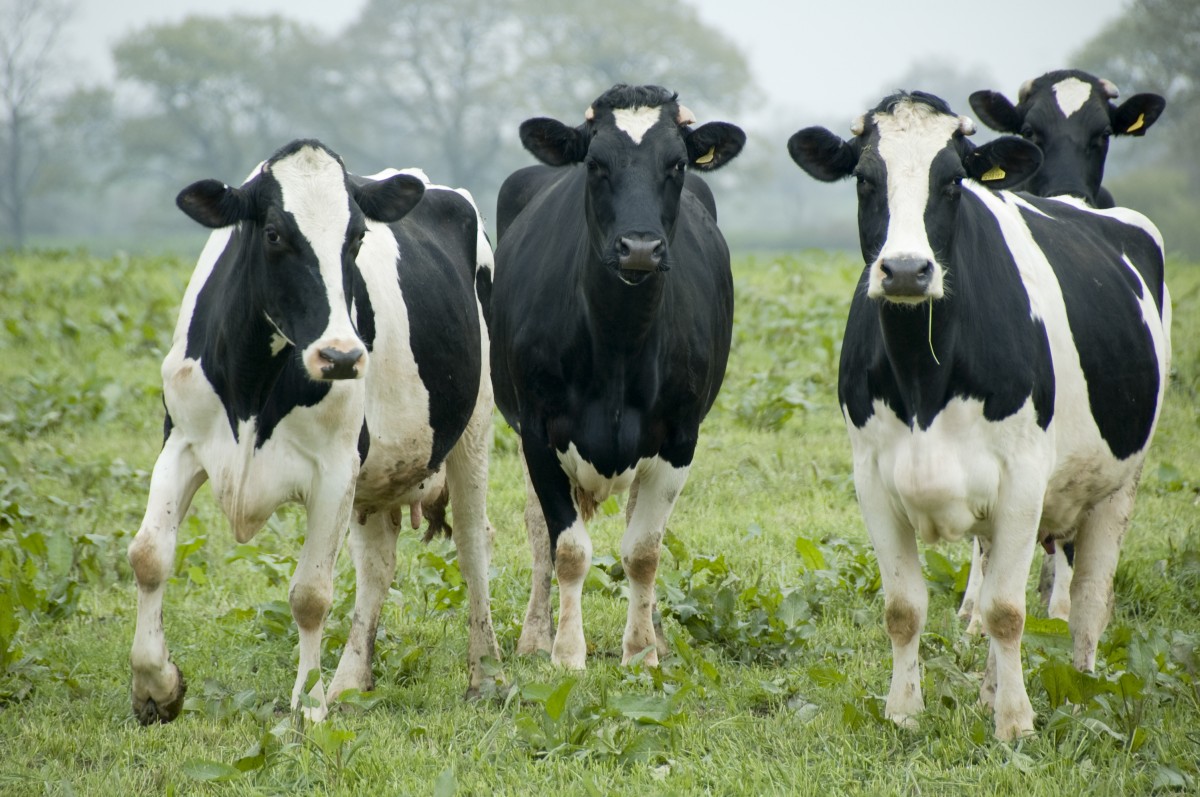
While research shows that calves and adults tend to have fairly stable reactions to being placed in new situations, the same is not true of adolescents. The study focused on Holstein cows in the dairy industry. Researchers observed them from before they were weaned to shortly after they became pregnant with their second babies.
During this period, the cows were exposed to new environments, people, and objects. Researchers distinguished two prevailing personalities from their reactions: assertive (or bold) and exploratory (or shy).
The study’s senior author, Marina von Keyserlingk, stated:

Different individuals will react in different ways. For instance, some calves and cows will immediately approach and investigate the object or human, or explore the new environment, while others will never touch the object or human and stand still for the duration of the test.

While baby and adult cows tended to react either boldly or more cautiously, adolescent cows between six and eight months of age were much more erratic. Just like human teenagers, cows endure emotional turbulence as they reach sexual maturity. Lori Marino, a neuroscientist and executive director of the Kimmela Center for Animal Advocacy, told the Guardian:

In the end, it tells us that if cows and humans share so much of their psychology with each other, we need to look at cows as beings who also have feelings about being farmed and having their children taken away from them in the dairy industry.

Research has already shown that cows use self-identifying sounds to communicate with their babies. But a recent study published in Scientific Reports reveals that they also use special sounds to convey their identity and specific emotions throughout their lives. Researchers analyzed 333 samples of cow vocalizations and found that cows use distinct moos to express feelings like excitement, arousal, and distress.
Lead researcher Alexandra Green stated:

Cows are gregarious, social animals. In one sense it isn’t surprising they assert their individual identity throughout their life and not just during mother-calf imprinting. But this is the first time we have been able to analyze voice to have conclusive evidence of this trait.
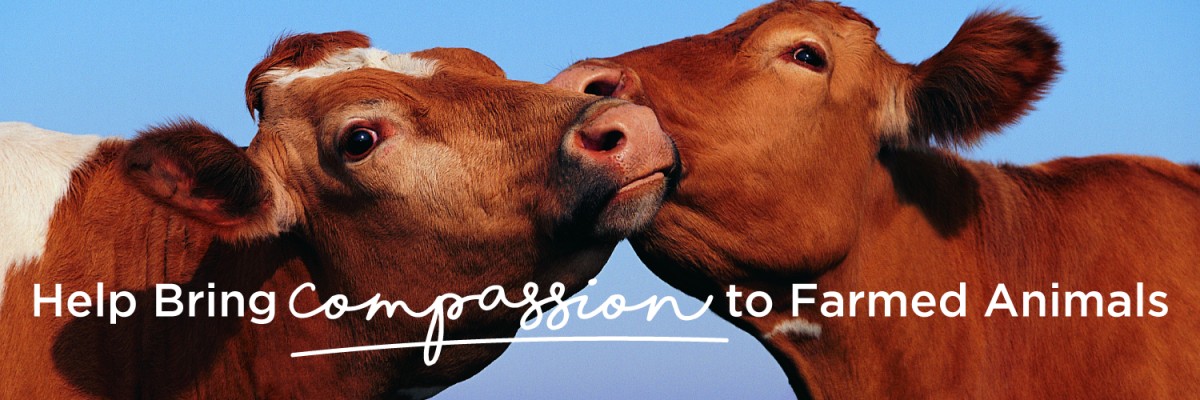
Just like humans, cows have rich emotions and complex social lives. They deserve to live happily, free from cruelty and suffering. Make a difference for cows by downloading our FREE Vegetarian Starter Guide and checking out our Pinterest page for thousands of vegan recipes!

Read what’s next.

MovementNews

20 Canadian Stars Sent MOD Pizza’s CEO a Powerful Message About Animal Welfare

MOD Pizza—a company with no meaningful animal welfare policies in place—has opened its first location in Canada. In response, 20 passionate Canadian celebrities have taken a stand against animal cruelty and added their names to a public letter addressed to the company’s CEO, Scott Svenson. MOD Pizza has over 400 locations across the United States […]

Read More
NewsPlant-BasedRecipes

Mercy For Animals President Talks “Turning Adversaries into Allies” at TEDxSeattle

Mercy For Animals president Leah Garcés was recently honored to speak at TEDxSeattle, an event where live speakers share knowledge on a variety of subjects. Leah focused on unlikely allies, explaining how she’d grown from seeing factory farmers as “the enemy” to understanding them as potential partners in the journey toward a food system that works for people, animals, […]

Read More

Get info about volunteer opportunities, Mercy For Animals news, and more.

Thank you for signing up!