The release of the 2025–2030 Dietary Guidelines for Americans is a pivotal moment for our nation’s health. I am encouraged by the focus on reducing added sugars and prioritizing whole foods. Yet, as these guidelines move toward a heavier emphasis on animal protein, I am struck by the gap between policy and the reality of how that food is produced. If federal guidance increases emphasis on animal protein without equally elevating plant-based protein, we risk reinforcing a food system that undermines public health and long-term resilience.
Federal dietary guidance does not operate in a vacuum. It exists within a mult-trillion-dollar food economy. Protein production, particularly animal agriculture, is deeply embedded in regional economies and federal policy. That reality makes scientific independence even more essential. Recommendations must first be anchored in long-term public health and resilience, rather than in preserving legacy market structures that contribute to public health, societal, and environmental strain.
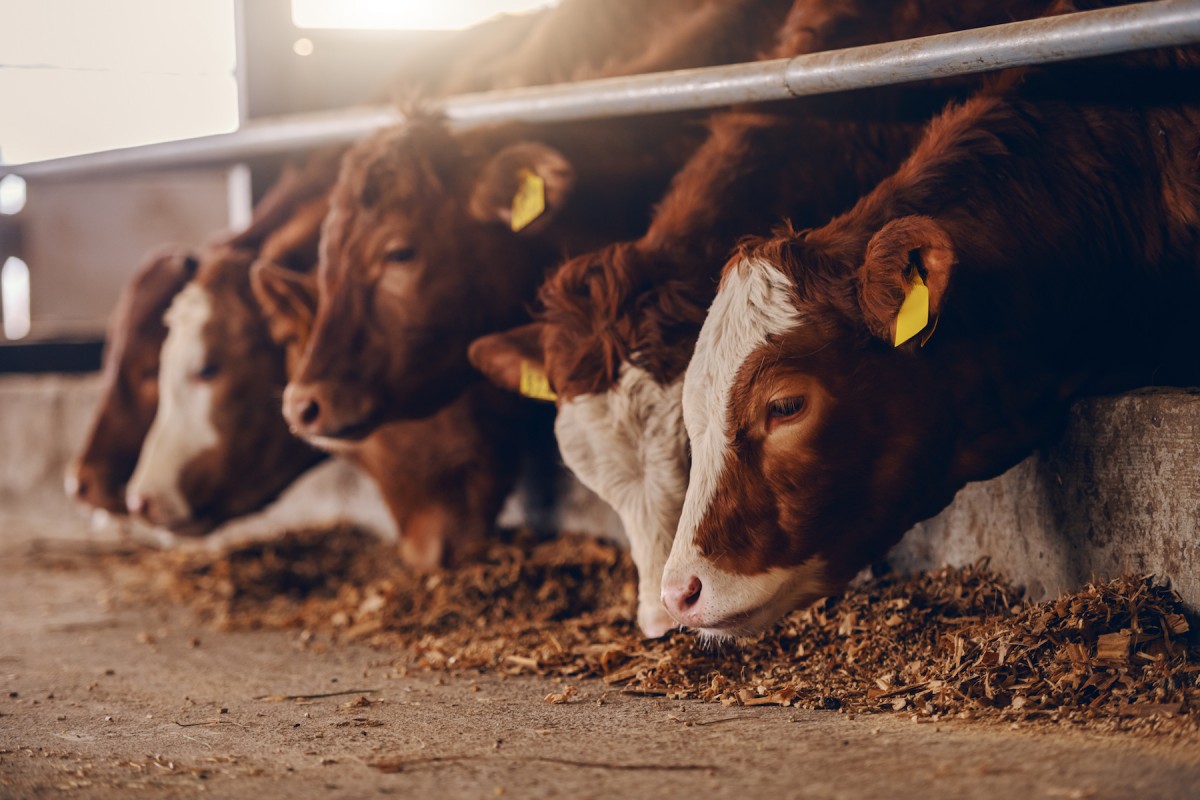
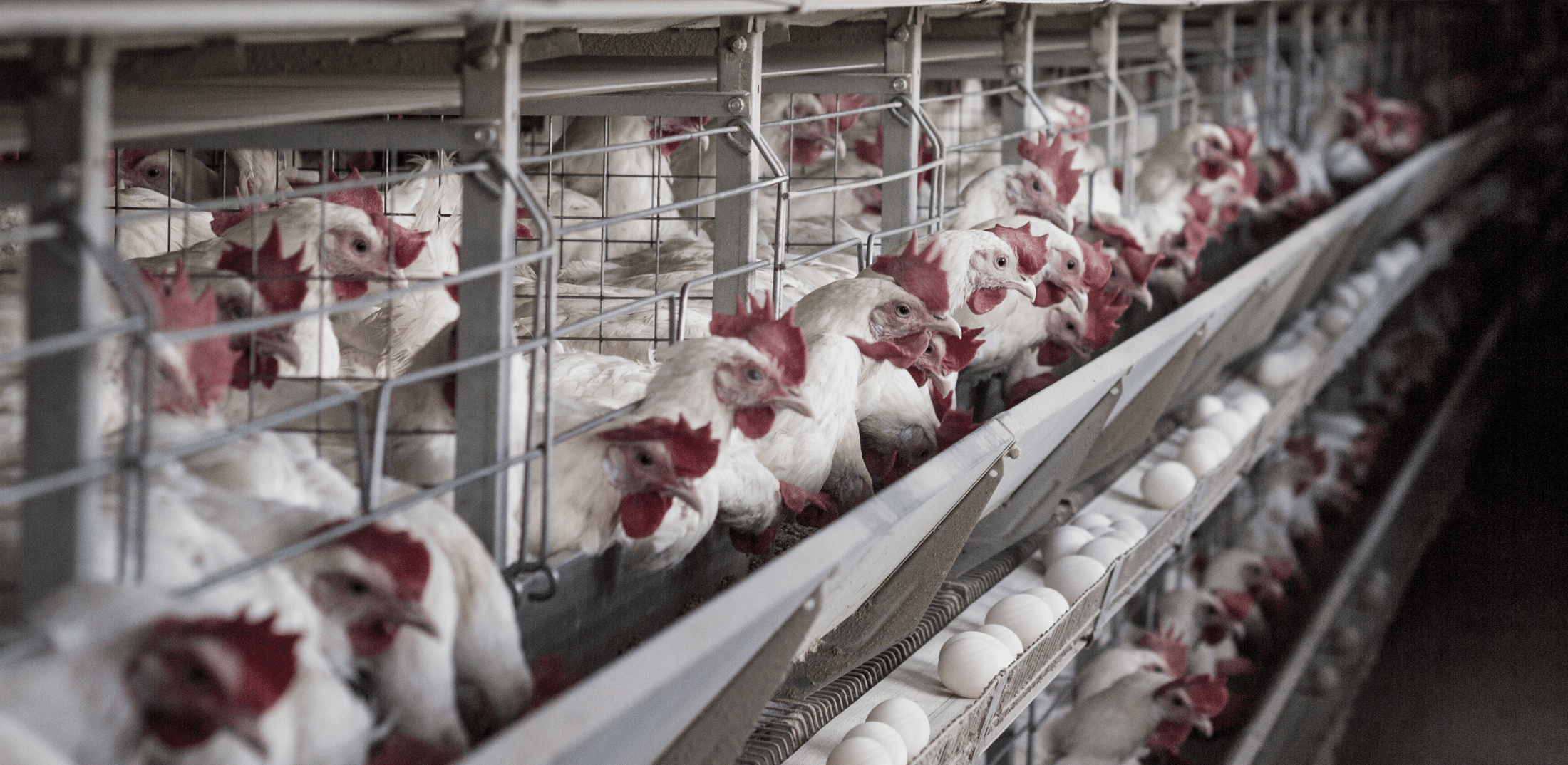
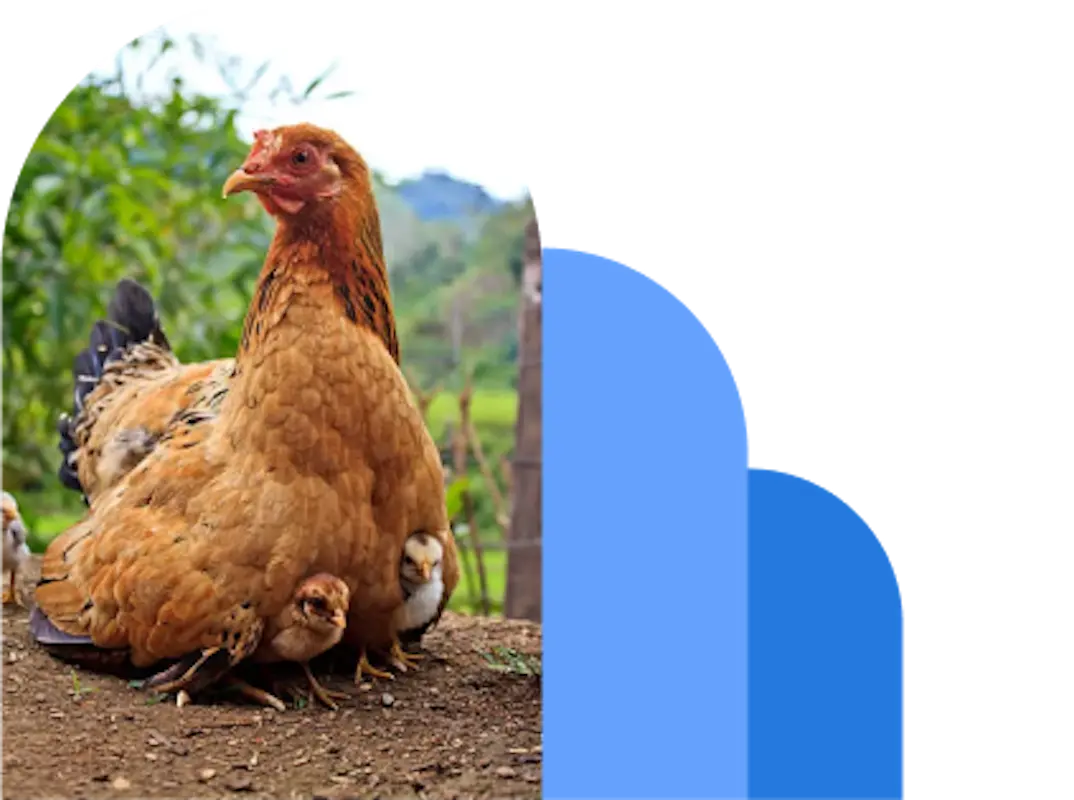
Across the country, much of our animal-based food supply comes from highly concentrated industrial systems designed for speed and scale. It comes at the expense of immense suffering for sentient animals no different from the companion animals many of us love in our homes, to the workers in the system, and to the local and larger communities around them. Having reviewed countless undercover investigative documents from factory farms and other industrial farming operations, I have seen how production pressures translate into deplorable conditions. I’ve seen the truth of these systems, in which newborn calves, so vulnerable and wide-eyed, are forcibly separated from their mothers just minutes after birth so milk can be bottled for our consumption. I’ve seen cows beaten with poles and left to languish on manure-covered floors, their bodies failing under the weight of an industry that treats them as machines rather than living, feeling individuals. These are structural features of modern high-intensity production.
This isn’t just a matter of animal cruelty; it is a public health crisis. A significant share of medically important antibiotics sold in the United States are used in animal agriculture, contributing to the rise of antimicrobial resistance. When our national guidelines encourage more of these products, they inadvertently prop up a system as fragile as it is harmful.
I see this same tension between tradition and progress in our schools. The Whole Milk for Healthy Kids Act reflects a broader tension between tradition and evolving nutritional evidence, bringing whole milk back to school menus at a moment when dietary guidance is under renewed scrutiny. At the same time, expanding access to plant-based milk options without requiring a doctor’s note represents meaningful progress for nutritional equity.

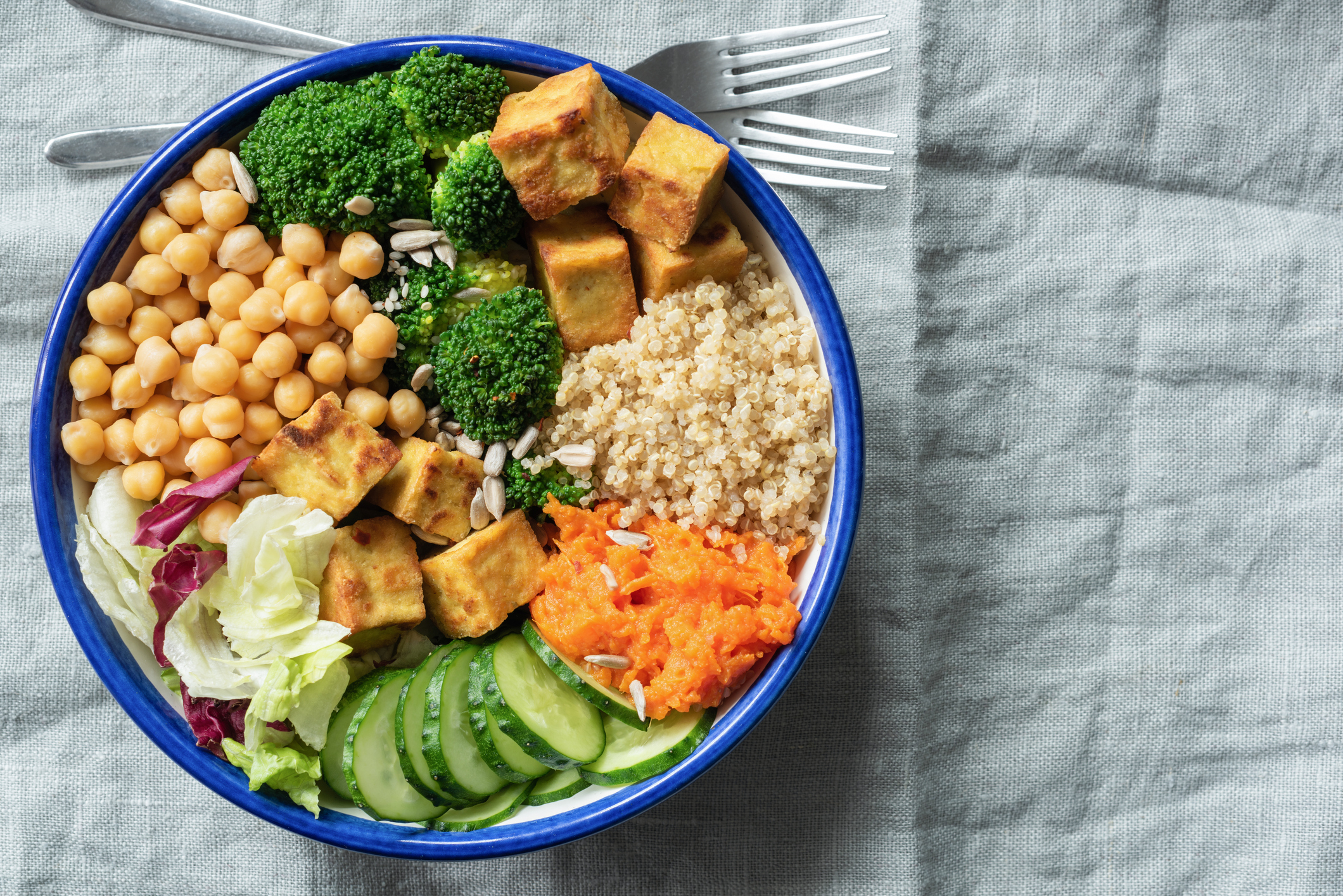
This is a victory for nutritional equity. For too long, our system has ignored the fact that lactose intolerance affects up to 90% of East Asian Americans and 65% of Black Americans. By removing the doctor’s note barrier, students can choose the food that actually works for their bodies. Accessibility matters, and no child should be penalized for choosing a more compassionate or healthful option. Consumers are already shifting toward plant-based options, and institutions are responding. Federal guidance should reflect and accelerate that momentum.
As dietary guidance evolves, I call on our policymakers to align future recommendations with the latest scientific evidence and the urgent realities of public health and conscience. We have a shared responsibility to build a future where our food choices reflect our best selves. The question is not whether Americans can thrive with more plant-based protein. The evidence is clear that we can. The question is whether our national dietary guidance will lead the future or lag behind it.