Normal
0
false
false
false
EN-CA
X-NONE
X-NONE
MicrosoftInternetExplorer4
At least 130 people have been wracked with severe abdominal
cramps and bloody diarrhea in the latest E. coli infection outbreak in Alberta.
Although officials haven’t determined the cause of the outbreak, all E. coli outbreaks
can be traced back to poop: farmed animal poop in particular.
E. coli bacteria primarily live in the intestines of cattle
(although they have also been found in the intestines of chickens, sheep, and
pigs). The bacteria spread to the outside, and subsequently onto the meat
people eat, during the slaughter process. Poop on meat is such a problem that
health officials advise meat be thoroughly cooked before consumption.
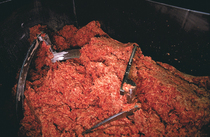
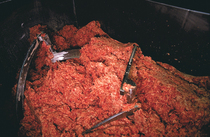
The problem is compounded in meats like hamburger, where
outside poopy bits can end up on the inside during the grinding process.
Mechanical tenderization whereby metal needles are pushed into meat such as
steaks also push poop from the outside to the inside. Just last week, Canadian
health officials announced mandatory labelling on all mechanically tenderized
meat so consumers can know that poop may not only be on the outside of the
meat, but on the inside as well.
Luckily, you can avoid poopy meat and bloody diarrhea by
moving toward a plant-based diet. To learn more, visit ChooseVeg.ca.