According to a recent study from Lancaster
University and University College London, images of baby animals reduce one’s desire to eat meat,
particularly among women.
University and University College London, images of baby animals reduce one’s desire to eat meat,
particularly among women.
Science Daily reports that psychologists in
the U.K. “exposed men and women to images of calves, baby ‘joey’ kangaroos,
piglets, and lambs and tested whether this affected their desire for meat. A
tactic often used by animal rights groups, showing baby animals can have a real
impact on waking up the public to the inherent cruelty of meat.
the U.K. “exposed men and women to images of calves, baby ‘joey’ kangaroos,
piglets, and lambs and tested whether this affected their desire for meat. A
tactic often used by animal rights groups, showing baby animals can have a real
impact on waking up the public to the inherent cruelty of meat.
The researchers said:
We found that both
men and women find baby farmed animals to be cute and vulnerable, and
experience feelings of tenderness and warmth towards them. Feeling tenderness
towards a baby animal appears to be an oppositional force on appetite for meat
for many people, especially women.
Additionally, the researchers found that these
emotions affect men and women differently. For instance, men experience much
less reduction in their appetites for meat than women when they see images of
baby animals. It’s suspected this is because women still tend to assume the role
of caregiver.
emotions affect men and women differently. For instance, men experience much
less reduction in their appetites for meat than women when they see images of
baby animals. It’s suspected this is because women still tend to assume the role
of caregiver.
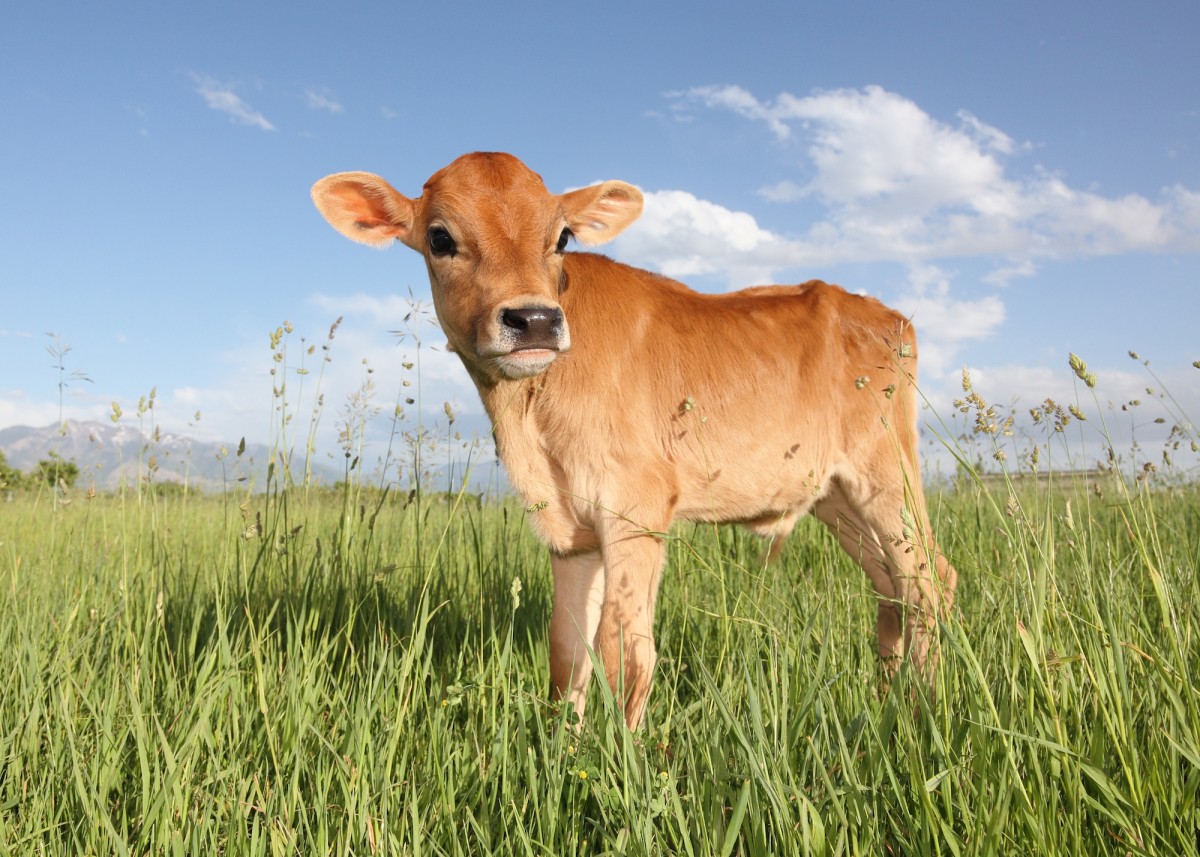
In a follow-up study, people were asked to
rate their appetites for meat when presented with an image of a calf, a cow, or
no animal. The results clearly show that meat became less appetizing after
people looked at the image of a calf, while there was hardly any appetite
reduction for those who looked at the image of a cow or of no animal at all.
rate their appetites for meat when presented with an image of a calf, a cow, or
no animal. The results clearly show that meat became less appetizing after
people looked at the image of a calf, while there was hardly any appetite
reduction for those who looked at the image of a cow or of no animal at all.
This study is further proof that when people
are forced to see where their food comes from, they often choose not to support
something that doesn’t align with their values. This is why it’s incredibly
important to expose the cruelty behind the meat, dairy, and egg industries, especially
considering all animals raised and killed for food are babies.
are forced to see where their food comes from, they often choose not to support
something that doesn’t align with their values. This is why it’s incredibly
important to expose the cruelty behind the meat, dairy, and egg industries, especially
considering all animals raised and killed for food are babies.
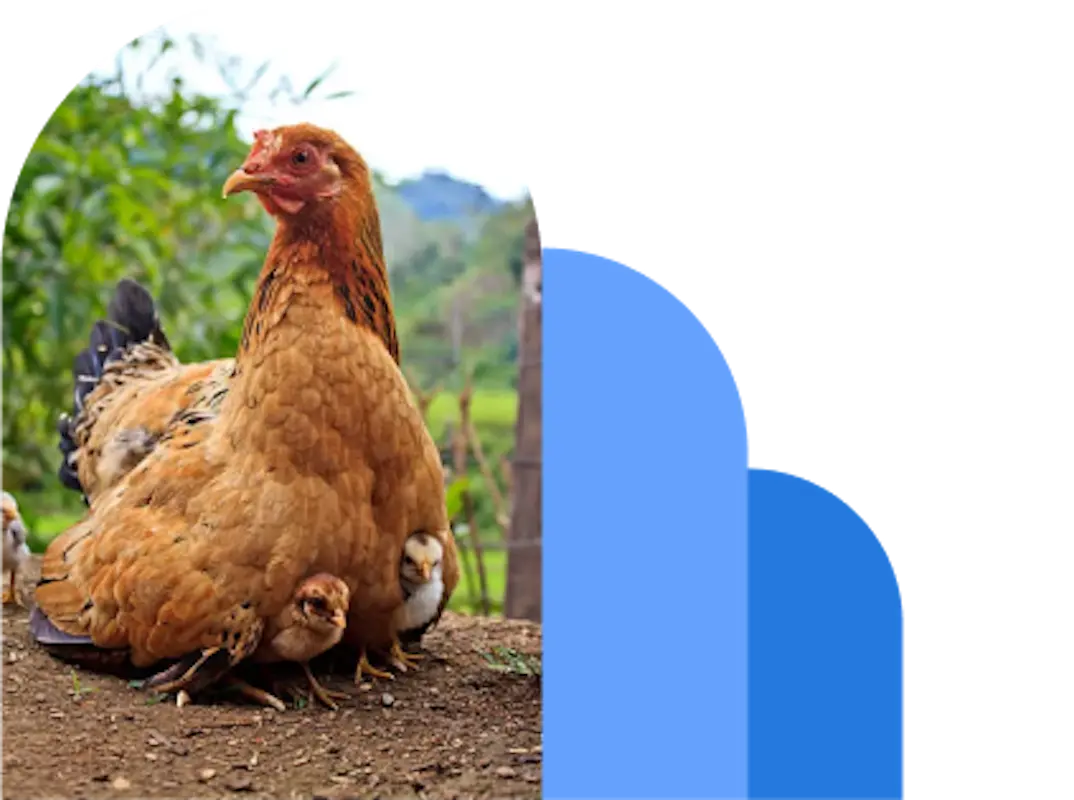
Cows, pigs, and chickens are just as smart and
sensitive as the dogs and cats we adore at home. But from the
moment they are born to the moment they are violently killed, animals at
factory farms endure a nightmare of extreme confinement, brutal handling, and
excruciating mutilations.
sensitive as the dogs and cats we adore at home. But from the
moment they are born to the moment they are violently killed, animals at
factory farms endure a nightmare of extreme confinement, brutal handling, and
excruciating mutilations.
See for yourself.
The only way to protect farmed animals from
needless suffering is to stop eating them. By choosing a compassionate vegan
diet we can live our values.
needless suffering is to stop eating them. By choosing a compassionate vegan
diet we can live our values.
So what are you waiting for? Click here to
get started. And check out our Pinterest
page for thousands of recipe ideas!
get started. And check out our Pinterest
page for thousands of recipe ideas!