Recent headlines about the possible export of
chlorine-washed chicken from the United States to Britain have caused an uproar.
And while Britain
has vowed not to accept the trade deal, the headlines have left many
wondering what exactly is chlorine-washed chicken?
chlorine-washed chicken from the United States to Britain have caused an uproar.
And while Britain
has vowed not to accept the trade deal, the headlines have left many
wondering what exactly is chlorine-washed chicken?
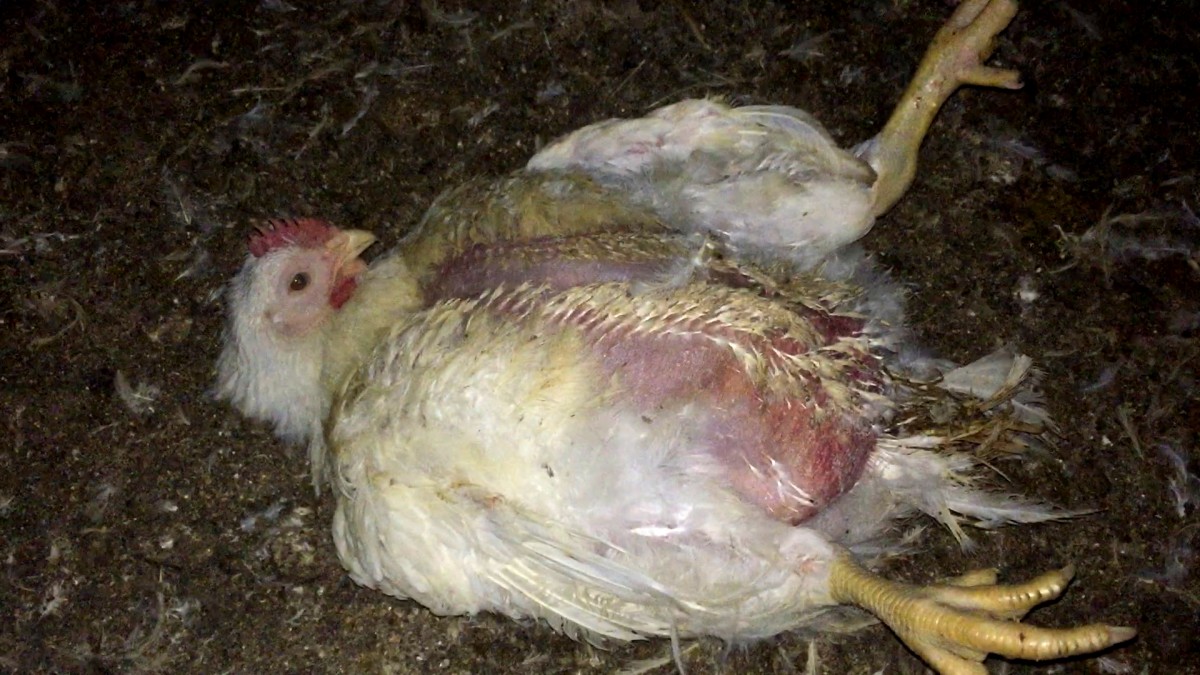
At factory farms, tens of thousands of chickens are crammed
into windowless sheds. To maximize profits, farmers breed the chickens to grow
so quickly they often become immobilized under their own weight. This abuse
results in debilitating pain, heart attacks, organ failure, and other severe
health problems. Because they’re too large to stand or walk, the birds are forced
to sit in their own waste. This turns factory farms into breeding grounds for disease.
into windowless sheds. To maximize profits, farmers breed the chickens to grow
so quickly they often become immobilized under their own weight. This abuse
results in debilitating pain, heart attacks, organ failure, and other severe
health problems. Because they’re too large to stand or walk, the birds are forced
to sit in their own waste. This turns factory farms into breeding grounds for disease.
Craig Watts, a former chicken farmer in North Carolina, told
the Daily Mail:
the Daily Mail:
The birds are too heavy to stand
because they have been bred for breast meat and nothing else so they spend
their lives squatting. They spend 95 percent of their time sitting on the
litter, a mixture of pine shavings and fecal matter from that flock and prior
flocks. Their flesh would rot and, when you have them crammed in so tight, they
will walk over other birds if they want to get to the food or scratch the
others and cause a wound.
These deplorable conditions cause chicken flesh to be
contaminated with deadly pathogens. In fact, the USDA estimates that around 25 percent of
cut-up chicken meat and about 50 percent of all ground chicken is contaminated
with salmonella. Additionally, the USDA reported that 90 percent of defects
discovered in chicken carcasses at slaughter plants involved “visible fecal contamination that was missed by company
employees.”
contaminated with deadly pathogens. In fact, the USDA estimates that around 25 percent of
cut-up chicken meat and about 50 percent of all ground chicken is contaminated
with salmonella. Additionally, the USDA reported that 90 percent of defects
discovered in chicken carcasses at slaughter plants involved “visible fecal contamination that was missed by company
employees.”
In an effort to remove this filth, slaughterhouse workers
wash an estimated 97 percent of chicken meat with chlorine or other disinfectants.
wash an estimated 97 percent of chicken meat with chlorine or other disinfectants.
Sadly, chickens
are some of the most abused animals on the planet and make up
95 percent of the animals raised and killed for food in the U.S.
are some of the most abused animals on the planet and make up
95 percent of the animals raised and killed for food in the U.S.
To make matters worse, not a single U.S. federal law
provides protection to animals during their lives at factory farms. What’s
more, the law that’s supposed to protect animals at slaughterhouses, the Humane
Slaughter Act, doesn’t extend to birds, leaving chickens with virtually no
protection from abuse.
provides protection to animals during their lives at factory farms. What’s
more, the law that’s supposed to protect animals at slaughterhouses, the Humane
Slaughter Act, doesn’t extend to birds, leaving chickens with virtually no
protection from abuse.
A recent Mercy For Animals investigation of several Lilydale supplier farms in Canada exposed
workers hitting, kicking, and throwing live birds; jamming them into
overcrowded transport crates; running over them with forklifts; and ripping off
their heads and legs.
workers hitting, kicking, and throwing live birds; jamming them into
overcrowded transport crates; running over them with forklifts; and ripping off
their heads and legs.
Watch.
While many worry about chlorine-washed meat, they should be
disturbed by the way chickens are treated at factory farms.
disturbed by the way chickens are treated at factory farms.
Fortunately, we can help farmed animals by leaving them off
our plates and switching to a sustainable,
healthy,
and compassionate vegan diet.
our plates and switching to a sustainable,
healthy,
and compassionate vegan diet.
Click here to get started!
Click here for a list of mouthwatering
chicken substitutes.
chicken substitutes.