The U.S. Department of Agriculture (USDA) is helping meat companies increase pig slaughter-line speeds by getting around a federal court order.
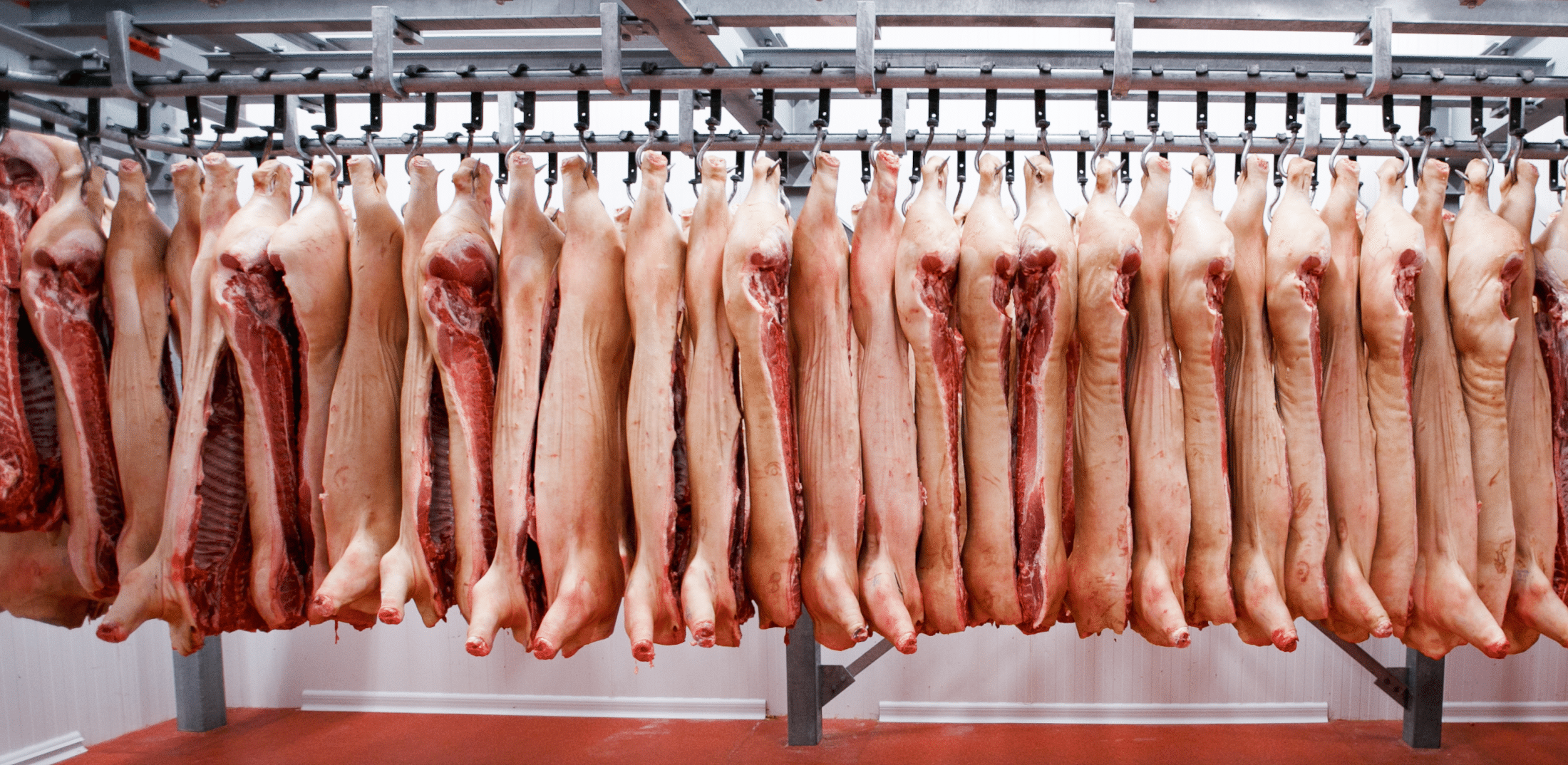
Evidence shows that allowing high-speed slaughter leads to increased violations of food-safety and humane-handling laws, including failure to properly render pigs unconscious before they have their throats slit and are dropped into scalding tanks. Despite this, the USDA is allowing nine pork plants to increase their slaughter-line speeds for a one-year trial. This trial system provides a loophole for meat companies to get around a federal order prohibiting increased slaughter speeds.
In 2019, a federal rule allowed pork producers to slaughter pigs as fast as they wanted. Before the ruling, slaughterhouses were permitted to kill up to 1,106 pigs per hour—an already dangerous speed. The updated regulation removed the cap on line speeds. This provoked outcry not only from animal advocates but from environmental and workers’ rights groups, including the National Employment Law Project, Human Rights Watch, Food & Water Watch, and the American Federation of Government Employees.
Later that year, a federal court invalidated the rule that removed line-speed limits from pig slaughterhouses. The ruling was a huge victory for both animals and workers.
But the USDA’s latest move allows the meat industry to get around this and increase line speeds as part of a pilot program. By doing so, the USDA is prioritizing industry profit over the lives of people and animals.
In July 2021, the USDA attempted to stop two lawsuits Mercy For Animals had brought against it. The lawsuits challenge the USDA’s deregulation of pig slaughterhouses and failure to ban the slaughter of “downed” pigs. Thankfully, the Western District of New York denied motions by the USDA to dismiss the two lawsuits. These lawsuits—which demonstrate the interconnectedness of animal suffering and public health—are still being considered.
Faster slaughter lines not only lead to more animal suffering and worker injuries but increase food-safety hazards and risks of disease transmission, including COVID-19. They also harm the environment with more water usage and waste. Now is your chance to speak up—urge members of Congress to support the Safe Line Speeds in/During COVID-19 Act (of 2021).