The real debate around America’s dietary guidelines is no longer only about nutrition. It is about who gets to define what counts as “real food.”
At a moment when the United States is reconsidering its national dietary guidance, Congress is debating whether whole milk should return to school cafeterias across the country. The discussion is often framed as a simple question of nutrition. In reality, it reflects a much larger issue: how economic power shapes the way “healthy food” is defined in America.
The phrase “whole foods” has become a cornerstone of modern nutrition advice. It appears in everything from grocery store marketing to government dietary guidance. In theory, the idea is simple. Prioritize foods that are closer to their natural state and less reliant on heavy industrial processing. Yet one of the most industrialized food systems in America, factory farming, is rarely part of the “processing” conversation at all.
But when the United States government updates its Dietary Guidelines for Americans, the question of what counts as a “whole food” becomes far more complicated.
These guidelines shape far more than individual choices. They influence school meal programs, federal nutrition assistance, institutional procurement and the broader norms that define what Americans believe is healthy. In a food economy worth trillions of dollars, the definitions embedded in those guidelines carry enormous economic consequences.
That reality means dietary guidance does not operate in a vacuum. Scientific evidence plays an essential role in shaping nutrition policy and should continue to do so across administrations. But economic structures also shape the food system itself. When entire industries depend on how terms like “protein,” “whole food” or “healthy diet” are defined, debates about nutrition are never purely scientific. They are also debates about economics and power.
This tension is increasingly visible in the way plant-based foods and animal-based foods are discussed.
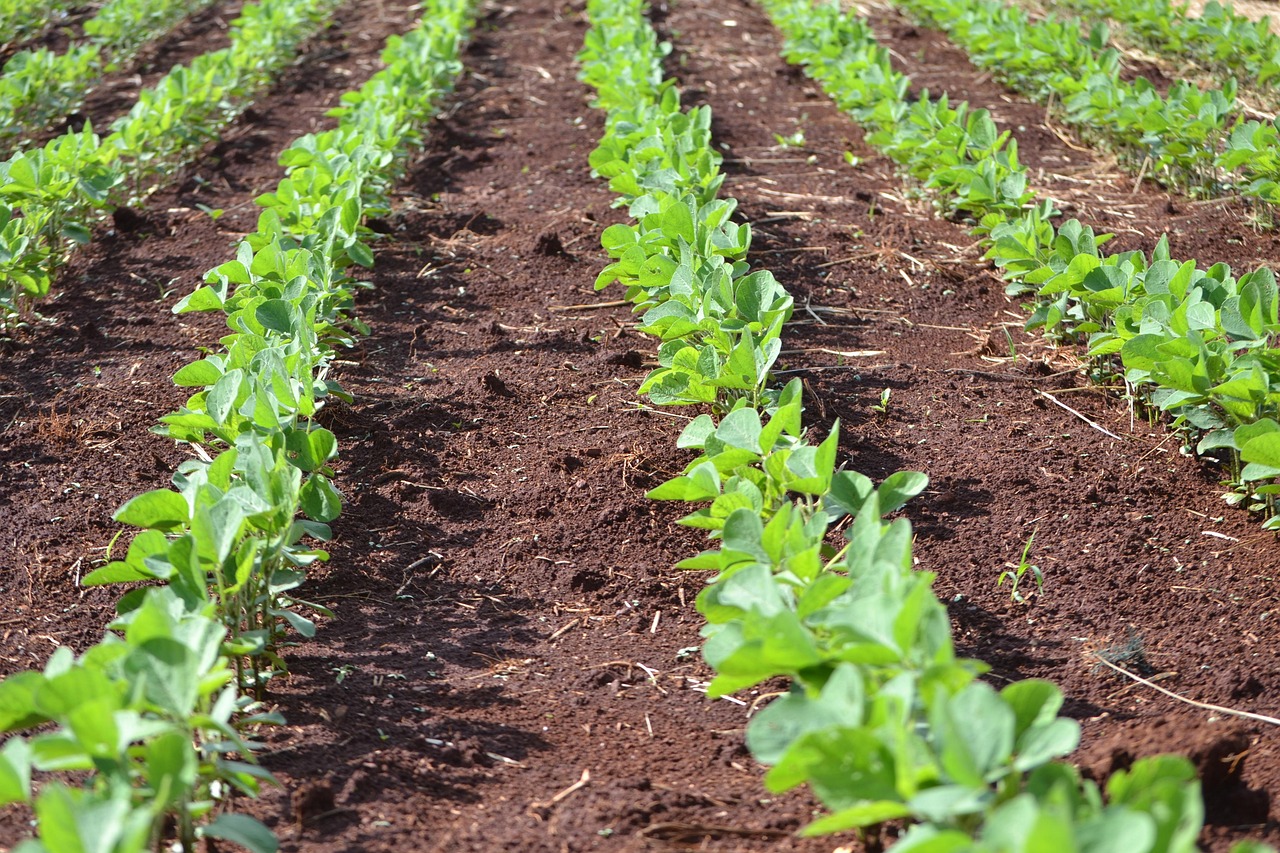
Many plant-based foods are made from recognizable ingredients such as beans, peas, soy, grains and oils. Yet they are often dismissed as overly processed or treated as a novelty in discussions of healthy diets. At the same time, products derived from highly industrialized animal agriculture are routinely framed as the default definition of “real food,” despite the complex production systems behind them.
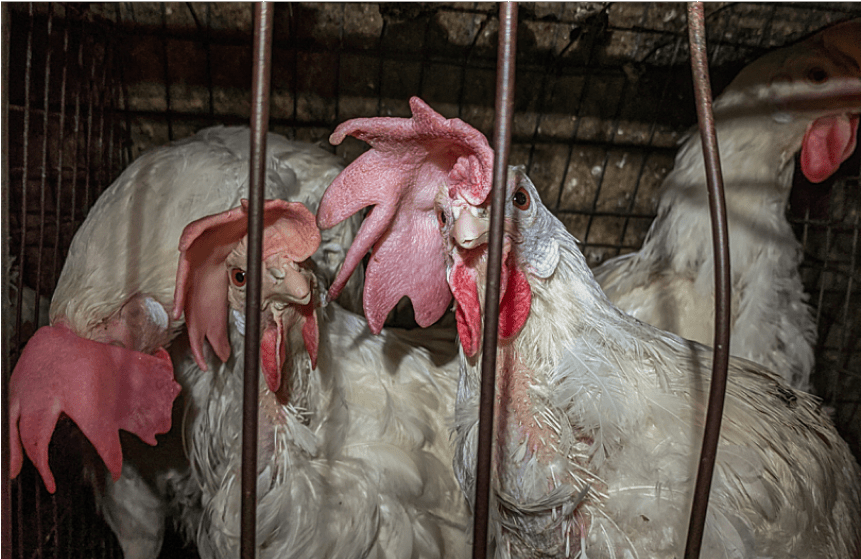
Across the United States, much of our animal-based food supply now comes from highly concentrated factory farms and industrial operations designed for speed, profit and scale. These systems shape not only how animals are raised but also how food is produced, distributed and consumed. Over decades, farmed animals have become deeply embedded in the economic structure of American agriculture.
The consequences extend beyond questions of animal welfare, though the treatment of animals within industrial systems should concern anyone who cares about how food is produced. Factory farming has historically relied on significant antibiotic use to sustain production levels, contributing to growing concerns about antimicrobial resistance. Concentrated production systems also create vulnerabilities in supply chains and place significant strain on surrounding communities and ecosystems.
Yet these realities are often absent from discussions about what constitutes “real food.” The industrial systems behind many animal-based foods remain largely invisible in public debates about nutrition.
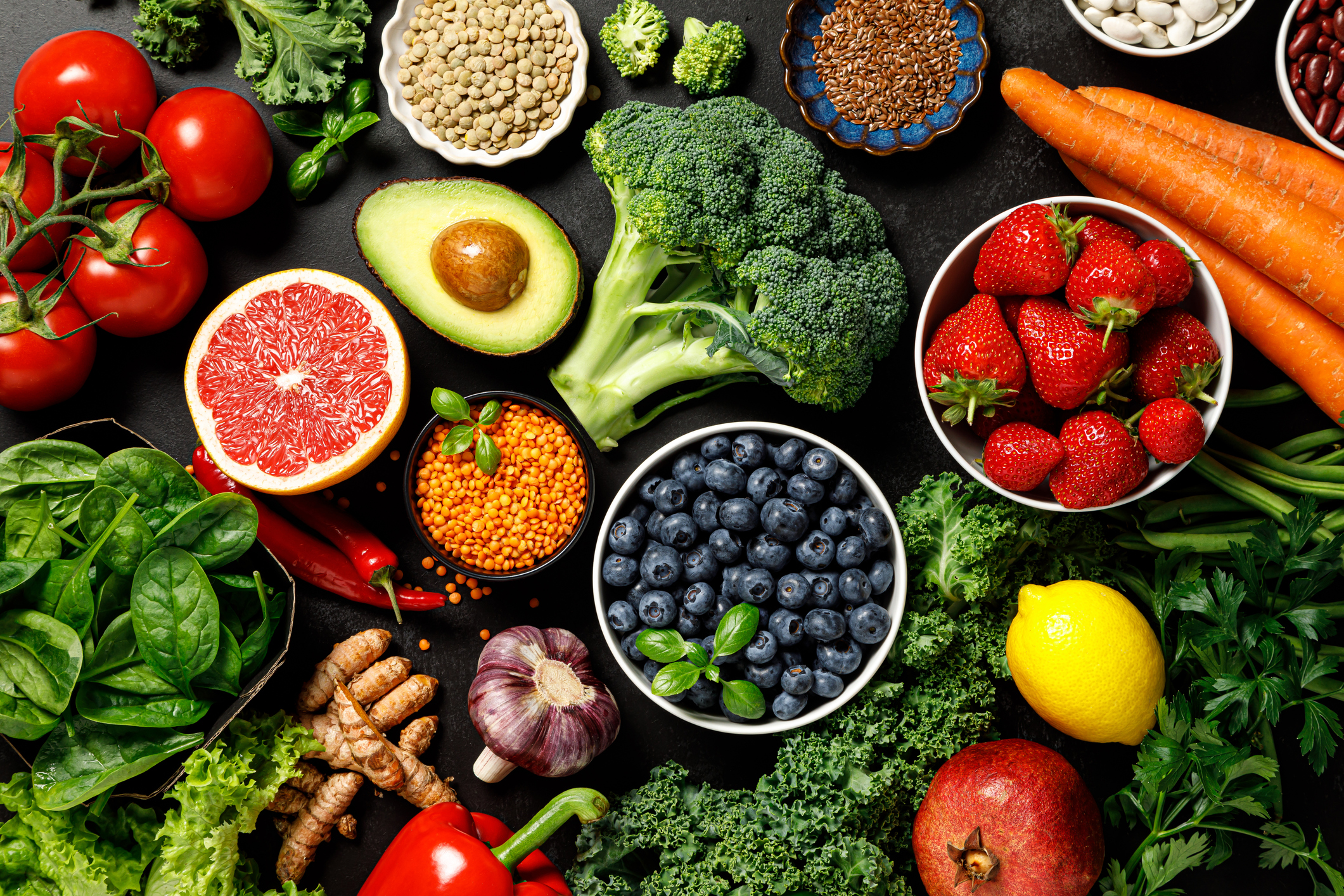
Meanwhile, Americans are already diversifying how they source protein. Beans, lentils, soy, peas, grains and nuts are becoming a regular part of many diets. Consumers are experimenting, institutions are adapting and innovation across the food sector continues to expand the range of available options.
Dietary guidance should help reflect and accelerate this evolution, not reinforce legacy assumptions about where protein must come from.
None of this requires abandoning the idea of whole foods. Quite the opposite. The concept remains a valuable guide for healthier diets. But it must be applied consistently and grounded in the realities of how modern food is produced.
Dietary guidance should ultimately be anchored in the best available science, public health evidence and long term resilience. That means recognizing that the debate over “real food” is not just about ingredients on a plate. It is also about the systems that produce them.
The question is not whether Americans can thrive with a greater diversity of protein sources. The evidence increasingly shows that we can. The real question is whether our national dietary guidance will reflect the best available science or continue to mirror the economic structures that shaped the food system of the past.
Arash Yomtobian, President and CEO at Mercy for Animals is a global executive leader, entrepreneur, and longtime advocate for compassion, with more than two decades of experience building and leading high-impact organizations.