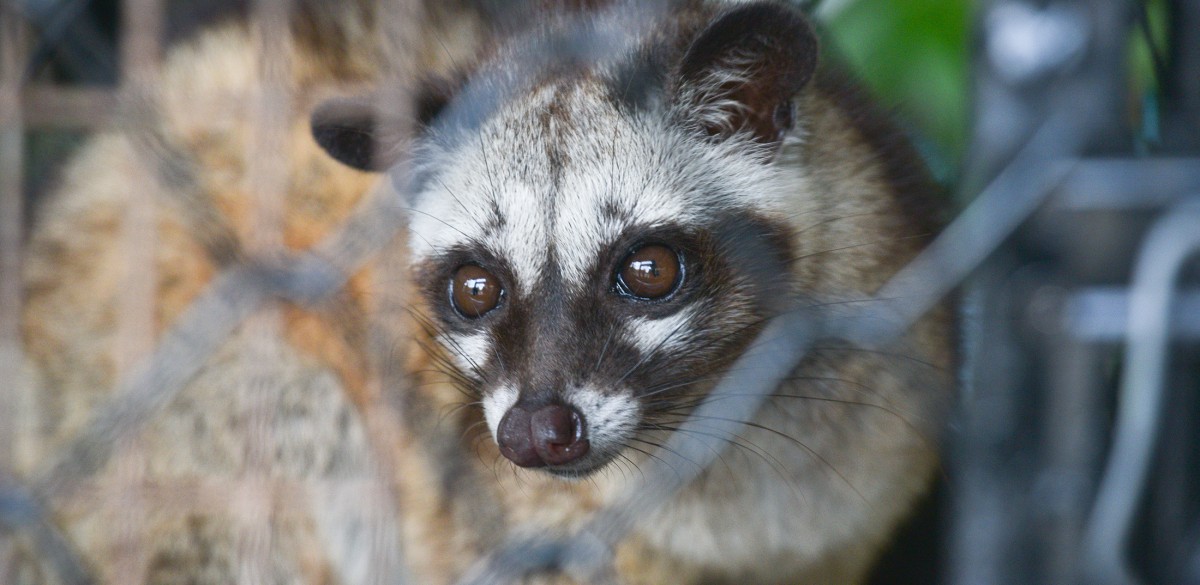
The city of Wuhan, China, has banned the eating of wild animals—along with breeding exotic animals for food and virtually all hunting of wild animals—for five years. The Wuhan Municipal People’s Government issued a notice outlining several goals of the ban:
Strengthen the publicity and education of wildlife protection. Actively carry out wildlife protection and public health safety publicity and education, eliminate the abuse of wild animals, promote a civilized and healthy, green, and environmentally friendly lifestyle, and create a good atmosphere for people and nature to live in harmony.
The virus behind COVID-19, which has infected millions of people all over the world, is thought to have originated in a live animal market in Wuhan. These markets can be extremely crowded and usually feature long rows of outdoor stalls set up side by side. With so many different animals, both living and dead, and humans all very close together, the conditions are perfect for zoonotic pathogens (animal-borne pathogens that can infect humans) to develop, spread, and cause disease.
As a result of COVID-19, China had already banned the sale of wild animals for food in an attempt to mitigate the risk of spreading diseases from animals to humans, even promising to buy out breeders of exotic animals. Like Wuhan, the cities of Beijing, Shenzhen, and Zhuhai have also issued bans on consuming wild animals—some bans prohibit eating dogs and cats.
While these are important steps in the right direction, we must recognize that markets selling wild and exotic animals are far from the only places where zoonoses have originated.
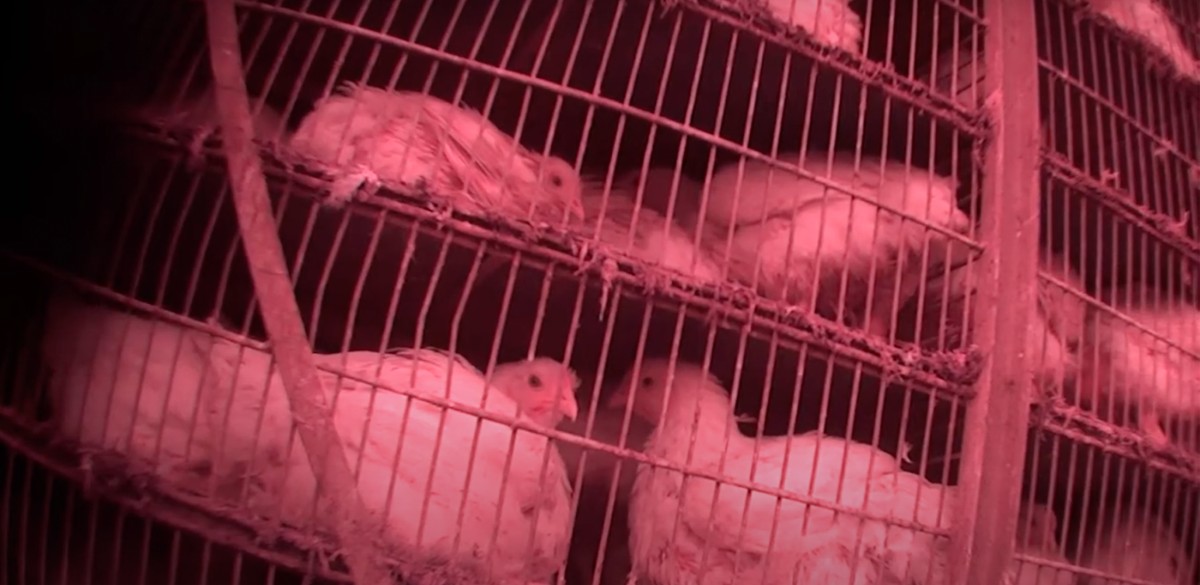
In the United States and around the world, animals raised for food are kept in filthy, crowded factory farms, often without fresh air or sunlight. These facilities are breeding grounds for disease, and industrial animal agriculture presents a persistent threat to public safety. Neurologist and public health specialist Aysha Akhtar warns of the dangers of factory farms:
The conditions on these farms greatly contribute to the creation of deadly pathogens, including influenza viruses.
We can all make a positive difference for human health, the environment, and animals by simply choosing to eat more plant-based foods. Take the first step by downloading our FREE Vegetarian Starter Guide.