Advocates say an altered press release and weakened standards raise serious ethical and transparency concerns.
TORONTO — Two of Canada’s most recognizable sit-down breakfast chains, Cora and Sunset Grill, are facing mounting scrutiny from customers after abandoning their original 2016 cage-free commitments and, in Cora’s case, retroactively altering the original public announcement to change the deadline without issuing a correction or public explanation.
Both companies pledged in 2016 to eliminate cages from their egg supply chains by 2025. Now, a decade later, neither has met that original deadline, nor have they publicly reported on their progress. Instead, both Cora and Sunset Grill have extended their timelines to 2029 and 2036 respectively, and revised their standards to allow so-called “enriched” cages—systems that subject hens to extreme confinement under a different name. By shifting their standards to allow “enriched cages,” both brands have effectively dropped their cage-free pledges entirely.
Archived records show that Cora’s original press release referenced a 2025 cage-free commitment. That language was altered to reflect a later date, without acknowledgment that the original cage-free pledge would not be honoured and has since been replaced with a caged standard.
“A decade ago, Cora and Sunset Grill promised to go 100% cage-free by 2025. Today, they are racing to the bottom,” said Makayla Rosas, Campaigns Manager at Mercy For Animals. “By delaying their deadlines and embracing ‘enriched’ cages, these brands are essentially promising to keep hens in wire confinement indefinitely. Mercy For Animals is calling on Cora and Sunset Grill to fulfill their original pledges and take all cages off the menu once and for all.”
Both McDonald’s and Boston Pizza have already switched to cage-free egg sourcing in Canada, proving that a cage-free model is both viable and expected.
Enriched Cages: A New Name for the Same Confinement
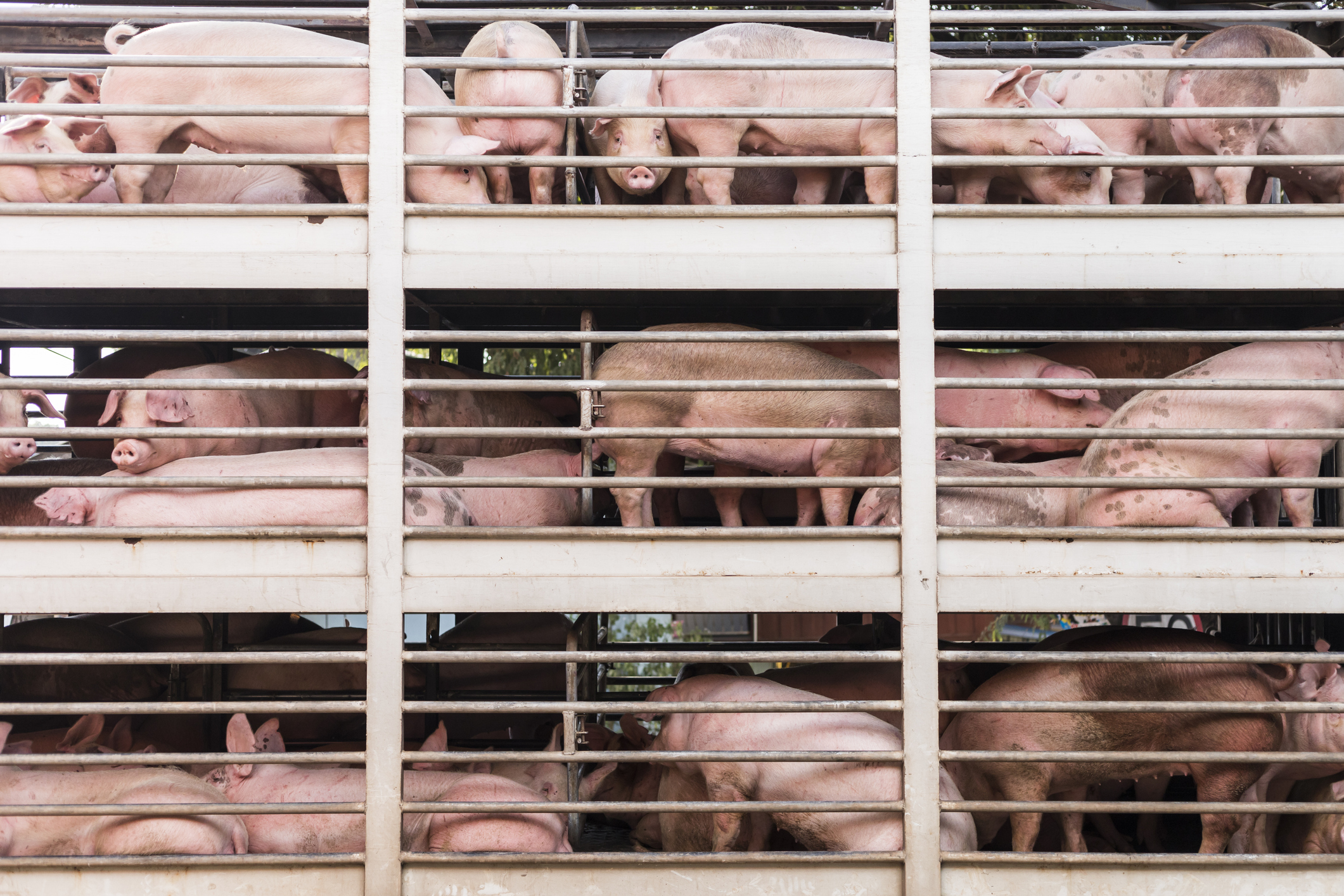
While marketed as an “upgrade,” enriched cages are not cage-free. They are a loophole designed to bypass real change. These systems still confine hens in restrictive metal enclosures that prevent essential behaviours and cause prolonged suffering. The facts are clear:
- Hens remain confined: Even in “enriched” systems, hens cannot roam, fully spread their wings, or access open environments.
- The “Enriched” Loophole: By allowing enriched cages, Cora and Sunset Grill’s shift is a deceptive bait-and-switch. Even in 2029 and 2036, Cora and Sunset Grill could still be using cages.
- Canada is falling behind: Approximately 80% of hens in Canada remain in cages, compared to 18% in the United Kingdom and 38% in the European Union. In the United States, roughly 45% of egg production is now cage-free.
- The pain is measurable: According to Welfare Footprint research, hens in cage-free aviary systems experience 7,233 fewer hours of pain on average compared to hens in conventional cages.
“Consumers are paying attention,” Rosas added. “Cora’s quiet editing of a past press release to erase its original cage-free pledge isn’t transparency, it’s an attempt to rewrite history. When a company changes the record and writes over their original promise instead of taking meaningful action, they harm animals and undermine public trust.”
Canadians, alongside Mercy For Animals, are calling on Cora and Sunset Grill to recommit to true, time-bound cage-free pledges by eliminating all cages from their egg supply chains without further delay.
For a hen trapped in a wire cage, these policy revisions aren’t just business adjustments—they are a life sentence. Canadians are encouraged to visit CrueltyforBreakfast.ca to learn more.
For more information or to schedule an interview, contact Jessica Bohrson at [email protected].
###
Mercy For Animals is a leading international nonprofit working to end industrial animal agriculture by constructing a just and sustainable food system. Active in Brazil, Canada, India, Mexico, Southeast Asia, and the United States, the organization has conducted over 100 investigations of factory farms and slaughterhouses, influenced over 500 corporate policies, and helped pass historic legislation to ban cages for farmed animals. Learn more at MercyForAnimals.org.