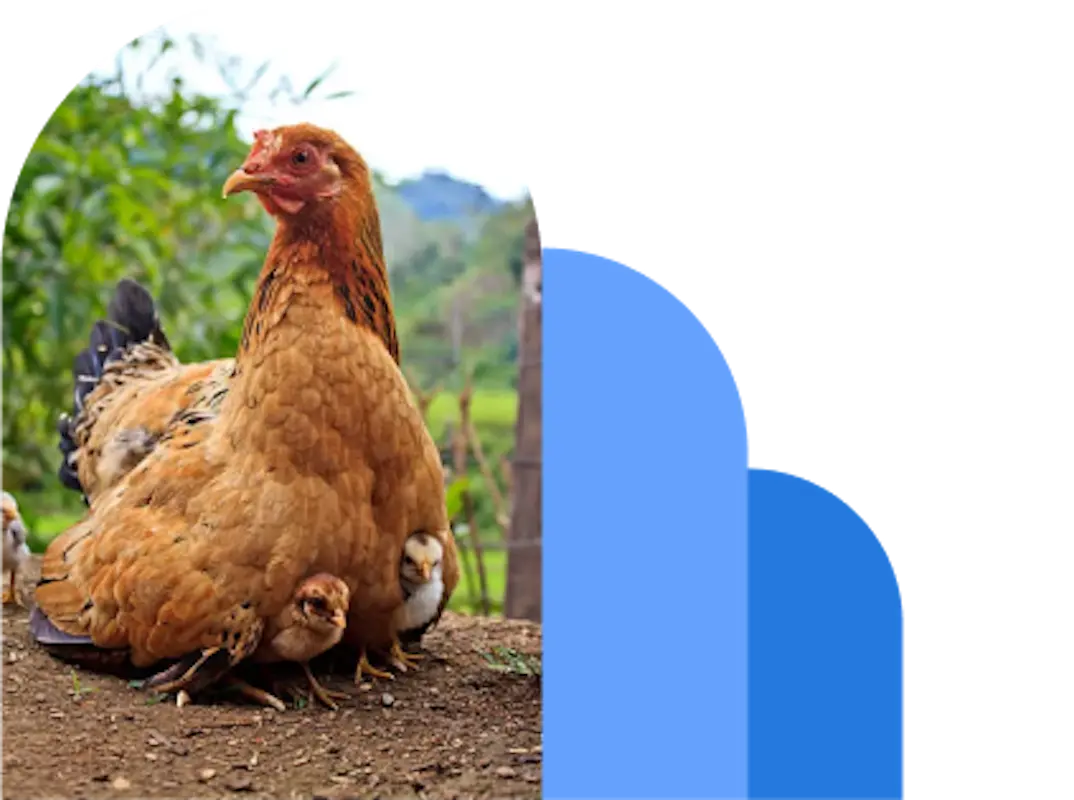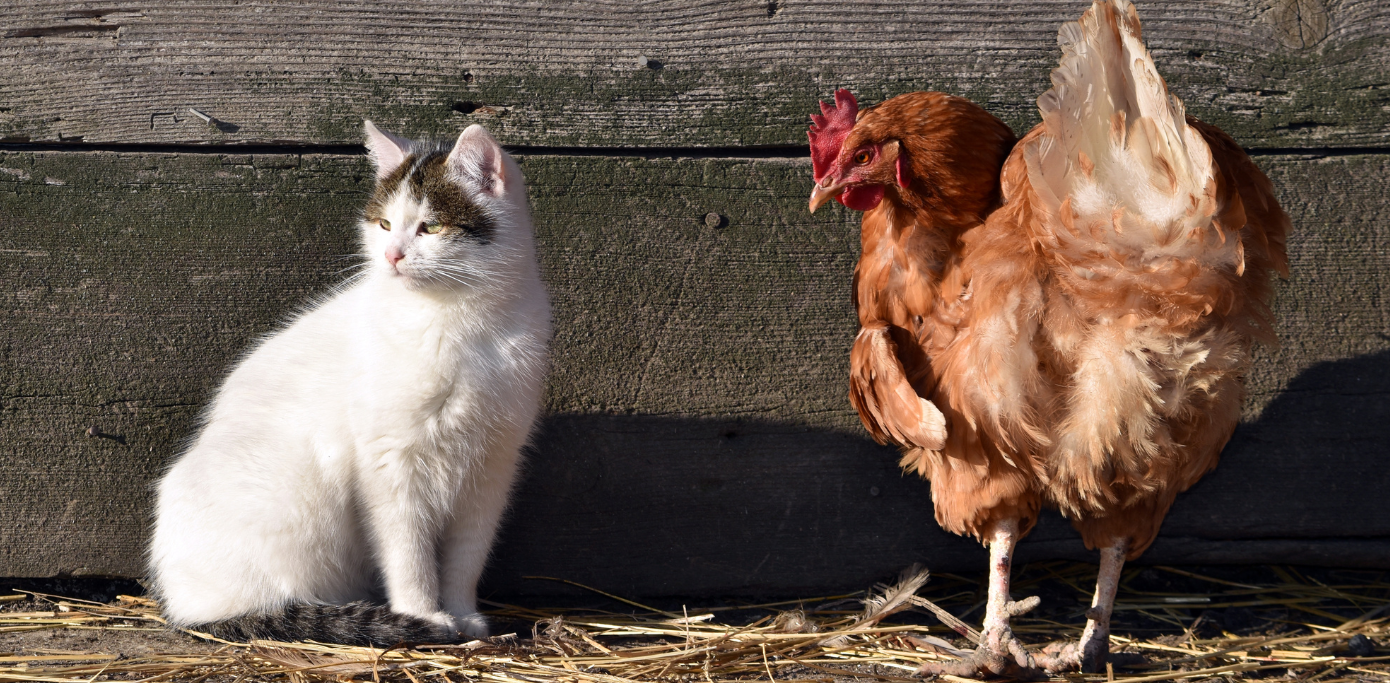
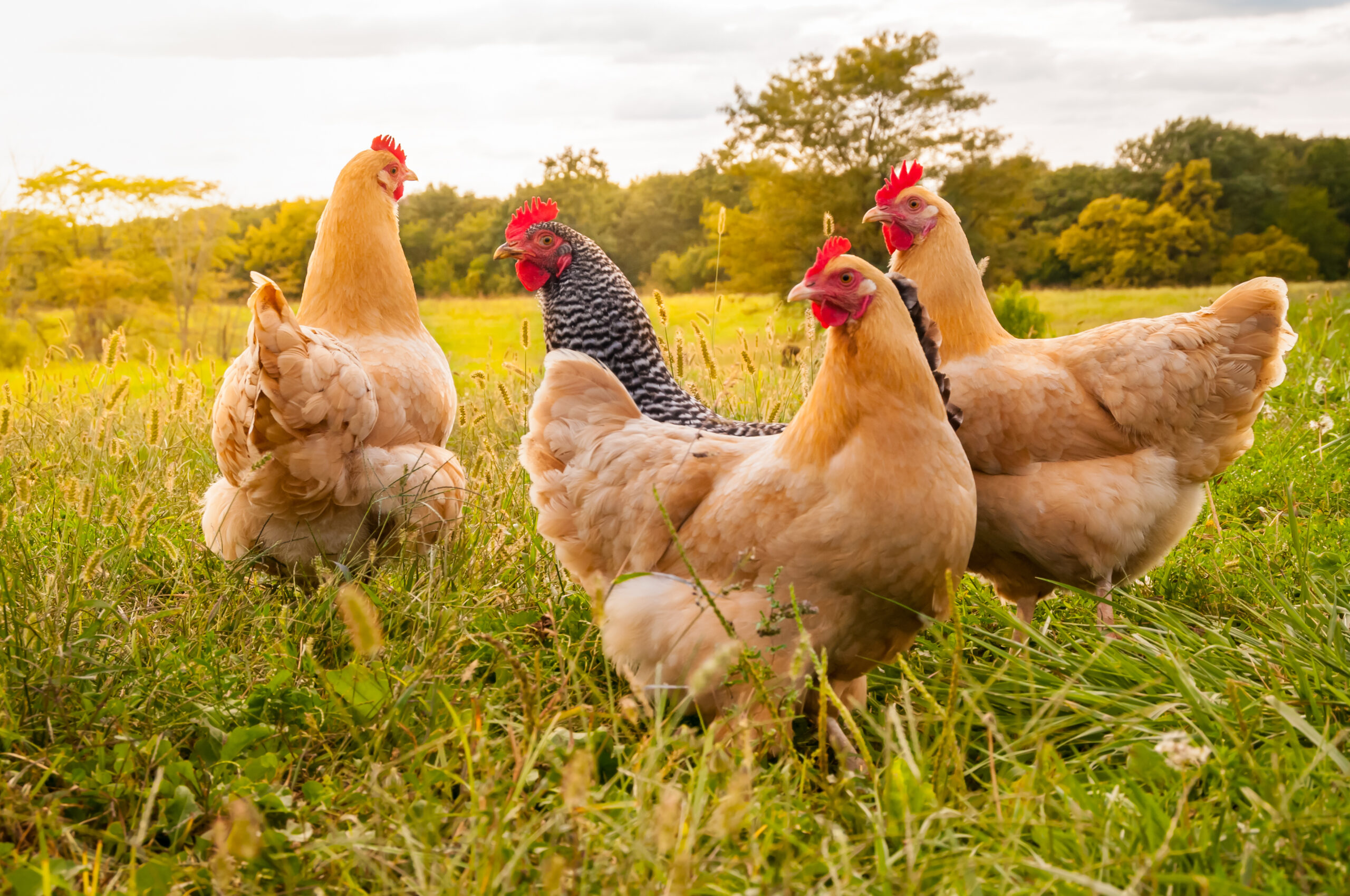
Like cats, chickens are intelligent and emotional individuals with unique personalities. They form relationships, communicate in complex ways, and experience the world with curiosity and sensitivity.
Here are 10 ways chickens are more like cats than you might think.
1. They Have Distinct Personalities
Spend time with chickens, and you’ll quickly notice that no two are the same.
Some are bold and curious. Others are shy, cautious, or independent, just like cats. Research shows chickens have individual personalities that shape how they behave and interact with others.
2. They’re Surprisingly Intelligent
Cats are known for their cleverness, but chickens are right there with them.
Science has found that chickens can solve problems, anticipate future events, and make decisions based on past experiences.
Some studies even show chicks can perform basic math and understand object permanence, abilities once thought unique to mammals.
3. They Communicate in Complex Ways
Cats use meows, body language, and subtle cues to communicate, and chickens do too.
Chickens have over 20 distinct vocalizations, each with a specific meaning, from warning calls to food announcements.
They also use body language and visual signals, forming a nuanced communication system comparable in complexity to many mammals.
4. They Form Social Bonds
Cats may have a reputation for independence, but anyone who has spent time with a cat knows that they form strong bonds with others, and so do chickens.
Chickens recognize individuals, remember relationships, and build complex social hierarchies.
They know who they trust, who they avoid, and where they fit in their social world.
5. They Care About Each Other
Like cats who comfort their companions, chickens show empathy.
Studies have found that hens can experience emotional distress when their chicks are upset, demonstrating a form of empathy known as emotional contagion.
They’ve even been observed helping vulnerable flock members, like guiding blind hens to food.
6. They Love to Play
Kittens chasing toys isn’t so different from chickens at play.
On modern farms, chickens are typically denied opportunities to play and explore. But in natural settings, young chickens engage in playful behaviors such as running, jumping, and interacting with objects. These activities help them build skills and develop. Play is a sign of learning, intelligence, and emotional well-being.
7. They’re Curious and Observant
Just like cats, chickens are curious, too.
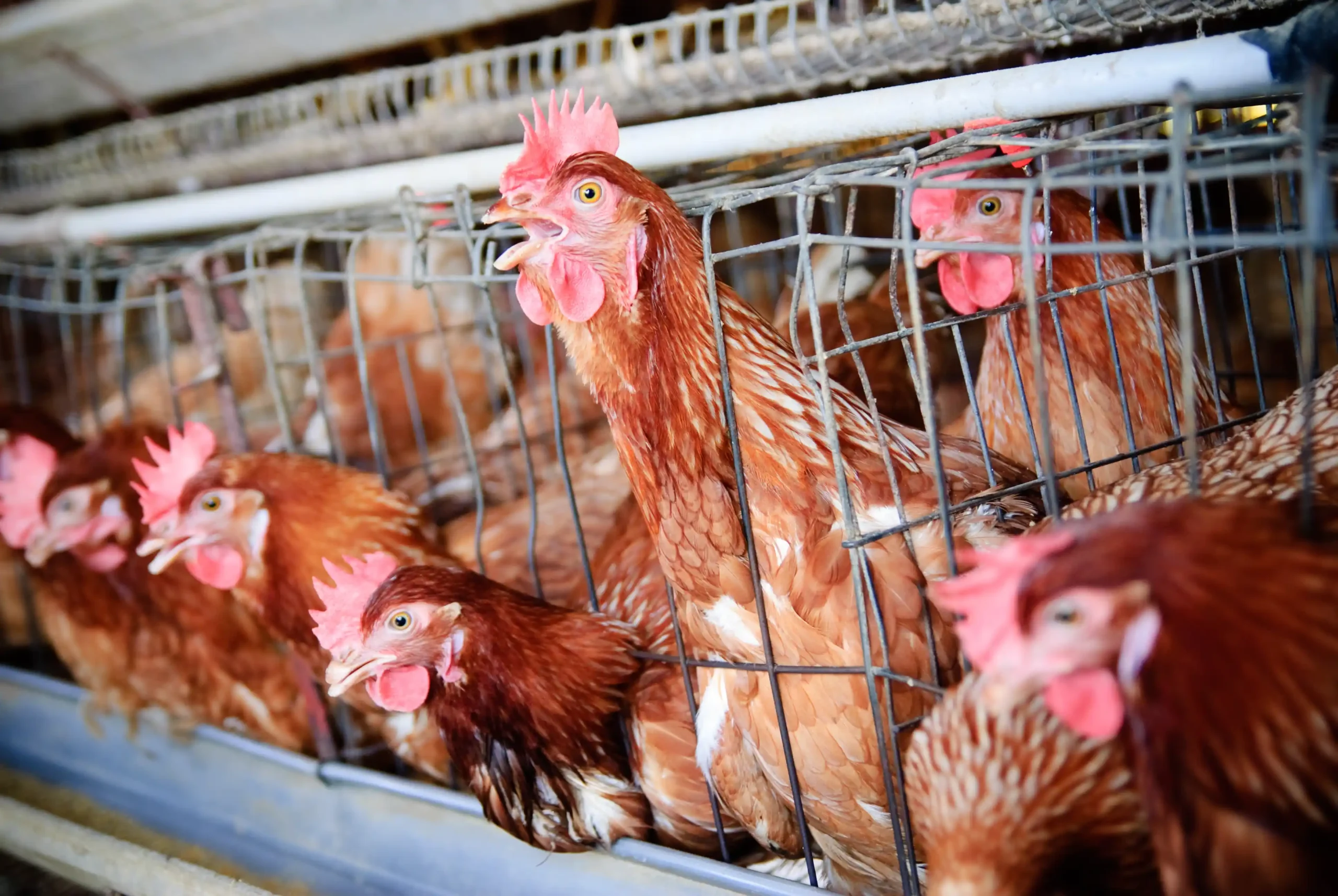
Unfortunately, billions of chickens trapped in our food system live in such confinement that they’re unable to explore (in many cases, they don’t even have enough space to spread their wings). However, when allowed, they love to explore their environments, learn from watching others, and even adjust their behavior based on who is around them.
This kind of social awareness requires memory, reasoning, and attention.
8. They Can Be Strategic (and a Little Sneaky)
Ever seen a cat knock something off a table on purpose?
Chickens can be just as strategic. Research shows they can deceive one another and use social tactics to their advantage, especially in competitive situations.
9. They Have Emotional Lives
Like cats, chickens can feel fear, comfort, stress, and happiness.
Science confirms that chickens experience both positive and negative emotions, and their emotional states influence their behavior and decision-making.
10. They Want to Feel Safe and Live Free from Exploitation
Both chickens and cats seek safety, avoid pain, and enjoy comfort and exploration. Most importantly, they have feelings.
Why This Matters
Chickens raised for meat are typically kept in dim, filthy sheds with thousands of other birds. They’re bred to grow so large so fast that their bodies can’t keep up. Many collapse and suffer prolonged deaths as they become unable to reach food and water.
Eggs aren’t any better. Chickens in the egg industry are forced to live in cramped cages or crowded sheds until their egg production declines, and they’re slaughtered. Most male chicks born into the egg industry are deemed useless, and in the United States, they’re almost always killed shortly after hatching.
What You Can Do
The best way to help chickens is to choose more plant-based foods. There are countless vegan recipes online, and plant-based versions of chicken and eggs available online or at the grocery store.
Want to do more? Join Mercy For Animals in calling on Unilever to reinstate their 100% global cage-free egg commitment across all regions immediately.