Fish farming has long been promoted as a solution to overfishing, but a sweeping new investigation shows that couldn’t be farther from the truth.
Recent reporting highlighted by The New York Times reveals how industrial fish farming, also known as aquaculture, can contribute to overfishing, pollution, and human rights abuses.
And behind these environmental concerns is another troubling reality: countless fish are suffering in a food system that too often treats them as products rather than living, feeling animals.
The Hidden Cost of Farm-Raised Fish
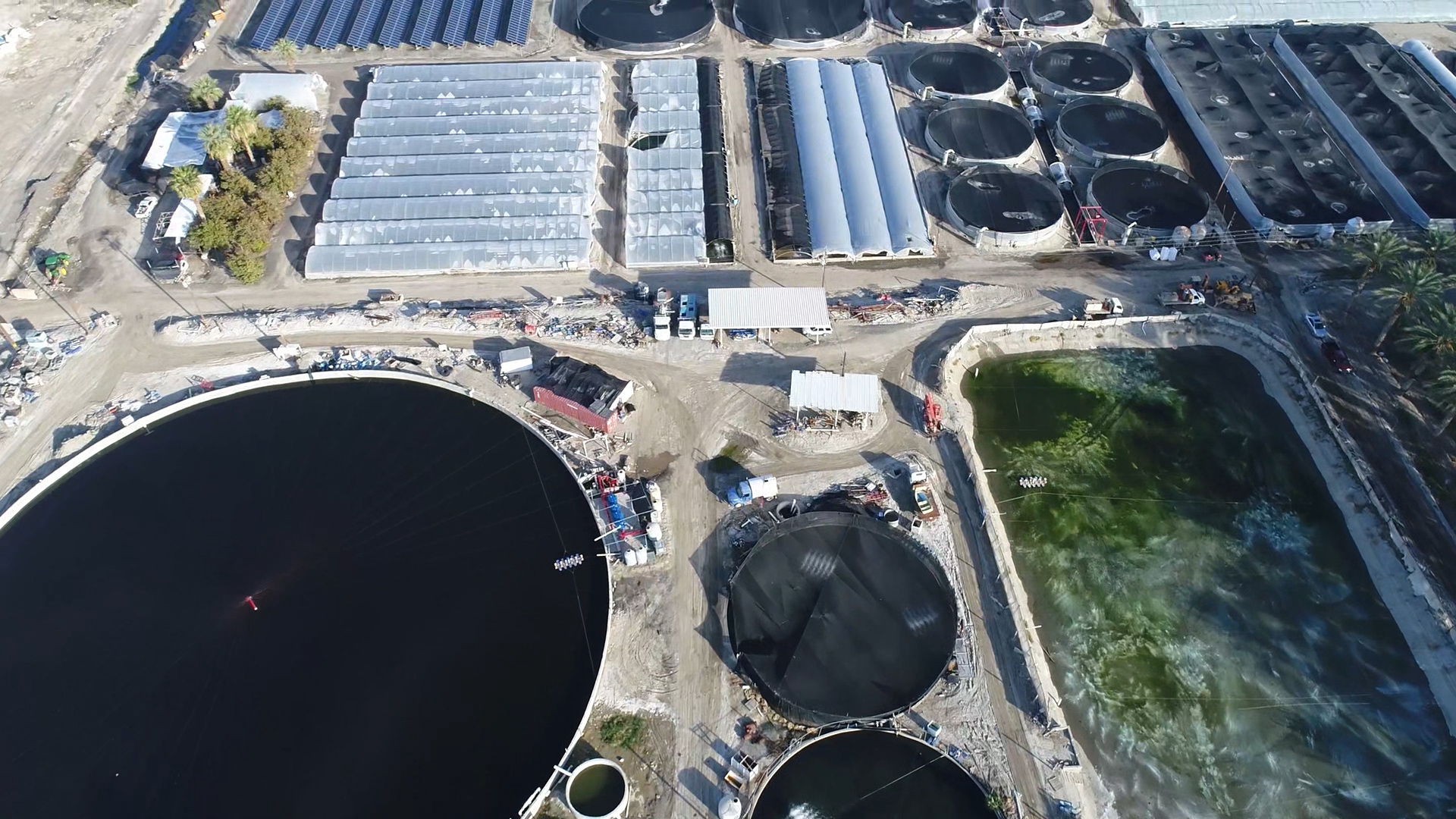
Today, more than half the seafood consumed worldwide comes from aquaculture. But many popular farmed species, including salmon and trout, are fed fishmeal and fish oil made from wild-caught fish.
That means raising fish on farms can still require taking enormous numbers of other fish from the ocean.
A multiyear investigation by the Outlaw Ocean Project found that more than one-fifth of marine life removed from the oceans is used for feed, primarily for farmed fish.
The investigation also examined more than 2,400 fishing vessels connected to fishmeal production, uncovering concerns about unsustainable fishing, limited transparency, and illegal activity.
The consequences extend far beyond the water. Investigators documented pollution from fishmeal factories, dangerous working conditions, and communities losing access to fish they have long depended on for food and livelihoods.
Fish farming was marketed as a way to help protect our oceans. Instead, some industrial operations are placing even greater pressure on the animals and ecosystems they claim to preserve.
“This investigation reveals a harsh truth: industrial fish farming isn’t saving our oceans, it’s just bringing factory farming to the water. The idea that farming fish protects wild marine life falls apart when billions of wild fish are pulled from the ocean every year just to be processed into feed. Real change won’t happen until major retailers demand clear transparency in their supply chains and lawmakers step in to protect marine life. We won’t fix our food system by expanding harmful practices, but by switching to a way of farming that truly respects animals, people, and the planet.”
– Arash Yomtobian, President and CEO, Mercy For Animals
Fish Feel Pain. Their Lives Matter.
While the environmental consequences of aquaculture are receiving growing attention, the experiences of fish themselves are too often overlooked.
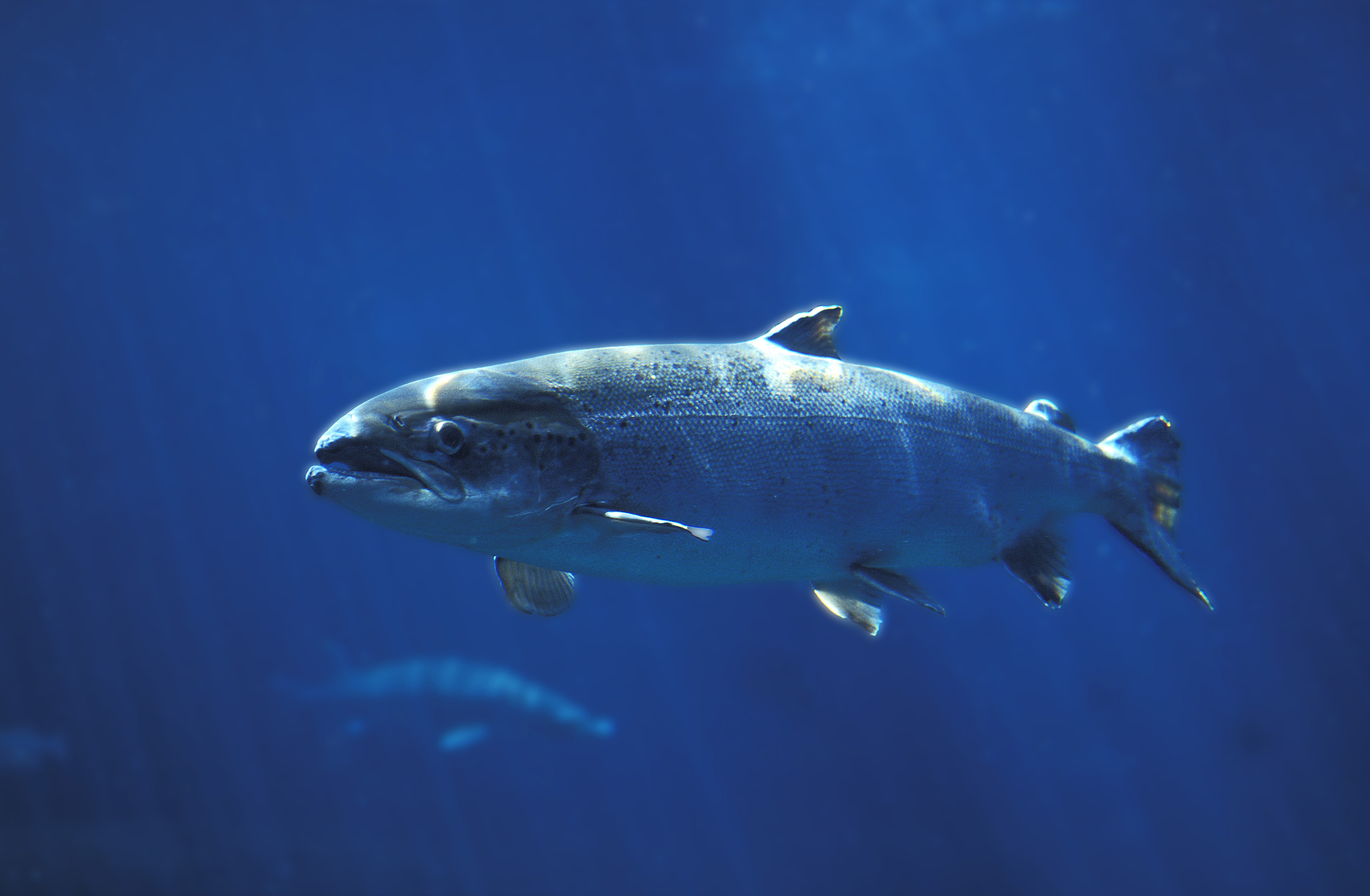
Fish are intelligent, sensitive animals. They can experience pain, form relationships, remember experiences, and respond to the world around them in remarkable ways.
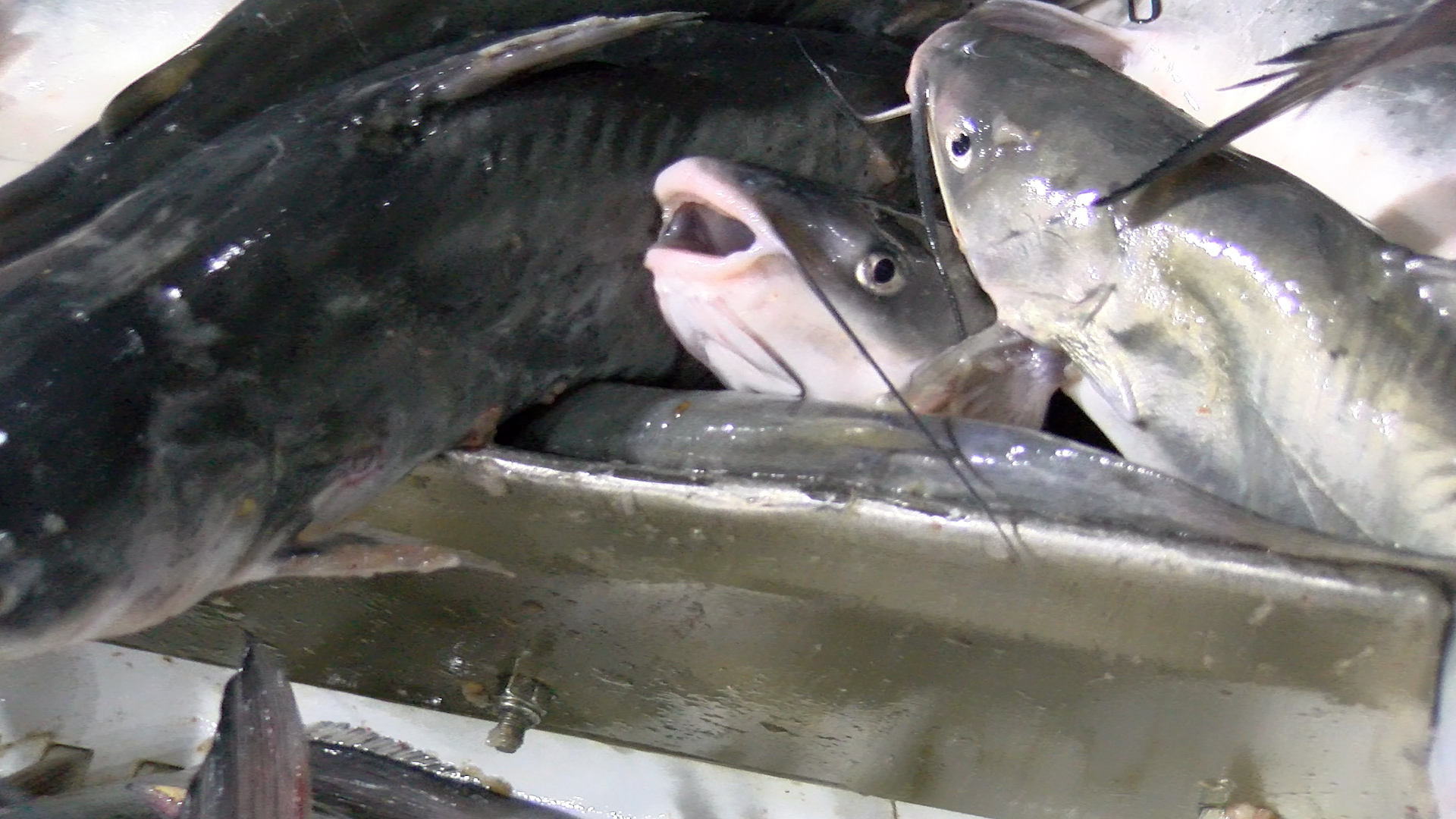
Yet in industrial fish farms, thousands of these individuals may be confined to crowded tanks or underwater cages, where poor water quality, parasites, and stressful conditions can compromise their well-being.
Mercy For Animals has helped shine a light on this often-hidden suffering.
In 2023, we released a documentary examining the realities of industrial aquaculture, featuring experts who described the emotional complexity of fish and the distress they can experience in confinement.
The film explored research into salmon who stop eating and responding normally to their surroundings, displaying behaviors scientists have described as depression-like.
Our earlier 2020 U.S. fish-farm investigation also documented disturbing conditions, including overcrowding, fish subjected to electric shocks, and animals left to suffocate.
These findings reveal something important: Fish are not simply part of an environmental problem to solve. They are individuals whose lives deserve our compassion and protection.
A Better Future for Fish Is Possible
There is reason for hope.
In 2025, Washington State officially banned commercial net-pen fish farming, marking an important step toward protecting aquatic animals and their ecosystems.
Progress like this shows that practices once considered normal can change.
But meaningful change requires more than moving fish from the ocean into farms. It requires greater transparency, stronger protections for animals, and a food system that values living beings rather than treating them as commodities.
At Mercy For Animals, we’re working to expose the cruelty of industrial animal agriculture, inspire compassionate choices, and build a more just and sustainable food system.
And we believe everyone has a role to play in making that future possible.
Take Action for Animals
Whether they live on land or beneath the water, animals deserve to be respected and protected.
You don’t need to have all the answers to make a difference. You just need to care enough to take the first step.
Join Mercy For Animals to receive opportunities to speak up for animals, support meaningful change, and help build a kinder world.
Together, we can create a future where compassion extends to every animal—including those beneath the surface.