In the United States, burgers are more than just a meal; they are cultural icons. With Americans ordering up about 50 billion burgers a year, the nation’s largest chains have the power to trim the fat from carbon footprints, reduce animal suffering, and make kindness the default choice for millions of people.
Plant-Based Patty Power
Prioritizing plant-forward burgers is one of the most effective ways for burger chains to drive positive change in the following ways:
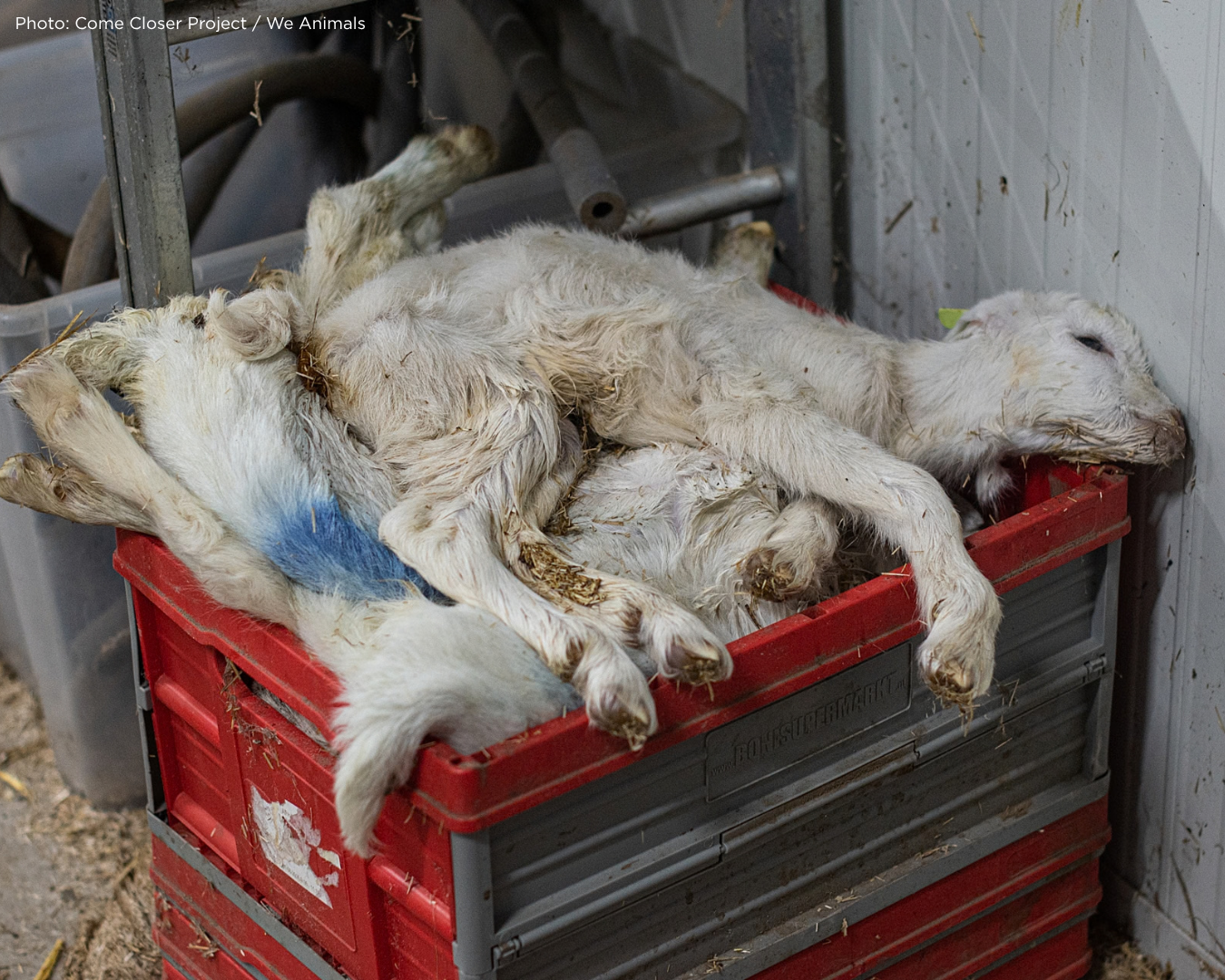
- Animals: Over 30 million cows are raised for beef in the U.S., with the vast majority spending their final months in intensely crowded factory farms. These animals are routinely subjected to painful mutilations, such as branding and dehorning, without anesthesia or pain management.
- Planet: Prioritizing plant-based ingredients is the fastest way for restaurants to address their Scope 3 emissions. These emissions typically account for 70%–90% of a restaurant’s carbon footprint. Commercial plant-based burgers require 84%–96% less land and use up to 97% less water than their beef burgers.
- Health: Traditional burgers are often high in cholesterol and saturated fat. In contrast, plant-based burgers are cholesterol-free and contain fiber, an essential nutrient that 95% of Americans lack in their diet. There have also been antibiotics and fecal matter present in ground beef samples across the U.S. in some studies.
How the Burger Chains Stack Up
This report grilled the 25 largest U.S. burger chains based on the number, presentation, marketing, and price of their plant-based, vegetarian, and balanced burger options. The results reveal a sharp divide in the industry: while some brands are flipping the script with inclusive marketing and pricing, others are leaving their sustainability commitments underdone.
Download the full report here.
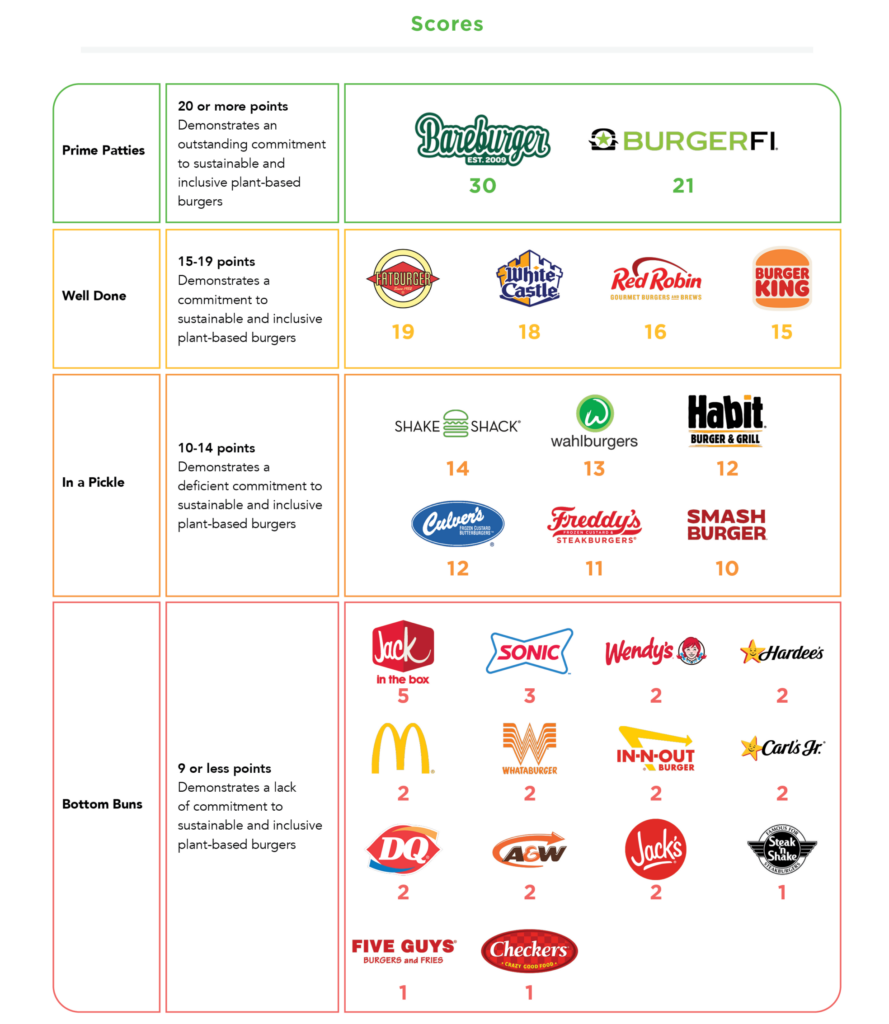
Prime Patties (20 points or more): Demonstrates an Outstanding Commitment to plant-forward options
Two companies landed in the top tier of our rankings: Bareburger and BurgerFi. These leading restaurants not only offer a variety of delicious plant-based burger options, but have successfully integrated them into their menus and maintained competitive prices. Bareburger in particular stands out as an industry leader, offering both ‘meaty’ plant-based burgers as well as whole-foods plant-based selections, enticing plant-based sides, and shakes. Bareburger also made headlines earlier this year when it introduced the 50CUT Burger by JOYN Foods, an innovative patty made with 50% beef and 50% mushroom ingredients.
Well Done (15–19 points): Demonstrates a Commitment to Plant-Forward Options
Companies like White Castle, Fatburger, Red Robin, and Burger King have demonstrated a genuine commitment to providing plant-based foods and helping promote their access through marketing, menu placement, and price.
In a Pickle (10–14 points): Demonstrates a Deficient Commitment to Plant-Forward Options
Companies including Smashburger, Culver’s, Freddy’s, Habit Burger, Wahlburgers, and Shake Shack may have a vegetarian burger option, but based on menu presentation, price, lack of promotion, or other factors did not score high enough to show a true commitment to the success of these options.
Bottom Buns (9 points or less): Demonstrates a Lack of Commitment to Plant-Forward Options
Major chains like McDonald’s, Wendy’s, Sonic, and Five Guys all received scores of 5 or less, showing a complete lack of commitment to inclusive and sustainable plant-forward burgers. These establishments had no plant-forward patties on the menu. As the largest burger chain in the world, McDonald’s total lack of plant-based offerings in the U.S. is particularly noteworthy. Despite offering plant-based and meatless burger options in other regions, the behemoth burger chain lags its peers in the U.S. market.

It’s Time to Moo-ve the Needle
The power to change the menu is in our hands. If we want to see better options at the burger chains we frequent, we must let them know.
Let McDonald’s know that you want a plant-based burger on the menu today!
Arash Yomtobian is president and CEO of Mercy For Animals.