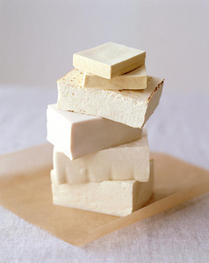
 The Toronto Star recently featured an article discussing the pros and cons of soy. The pro side contains a list of the many benefits of this versatile and healthy bean. The con side, on the other hand, doesn’t contain any unequivocal cons, and even includes yet another pro.
On the pro side:
- Soy contains all nine essential amino acids, making it a complete protein.
- Soy milk and soy cheese are calcium-rich alternatives to dairy, suitable for people who are lactose intolerant (which is up to 90% of some groups of people).
- Isoflavones–the estrogen-like compounds found in soy–have myriad health benefits, including supporting good bone health and possibly even reducing the risk of osteoporosis and the severity and frequency of menopausal hot flashes.
- Soy is rich in B-vitamins, iron, and zinc. It therefore promotes energy, nerve and muscle function, and healthy, shiny hair and skin.
- Soy contains phytic acid, which reduces the risk of colon and breast cancers.
- Soy slows starch absorption in our intestines, making us feel full longer.
On the con side:
- The extent of the benefits of soy’s protective effect against cancer are still being debated.
- Studies on animals showed soy could promote tumor growth in some tissues, but these results are not shown in humans. On the contrary, points out the author, not only is soy safe, it may even have a protective effect.
- Some studies have linked soy to an increased risk of thyroid disease, while others have shown no connection.
- Tofu and soy products (such as burgers and veggie dogs) may not contain all of soy’s beneficial minerals, vitamins, calcium and omega 3s.
It’s hard to consider any of these a downside to consuming soy.
The bottom line, according to the Star? Everyone should include soy in their diets. It is rich in fibre, vitamins, minerals, isoflavones, antioxidants, and protein.