1. Dairy Cows Must
Give Birth to Produce Milk
Give Birth to Produce Milk
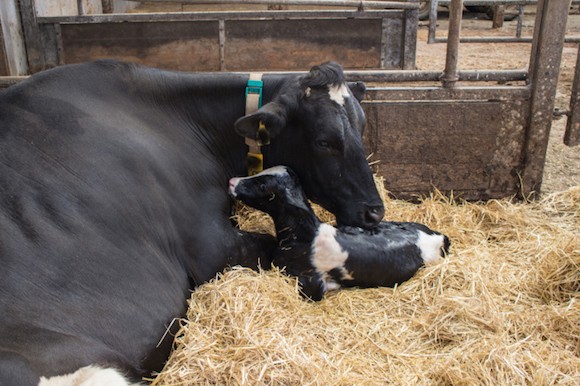
Though it may seem obvious, many people have no idea that in
order to produce milk, cows have to be pregnant or have just given birth. Like
all other mammals, cows lactate for their babies.
order to produce milk, cows have to be pregnant or have just given birth. Like
all other mammals, cows lactate for their babies.
2. Dairy Destroys Our
Rivers, Lakes, and Streams
Rivers, Lakes, and Streams
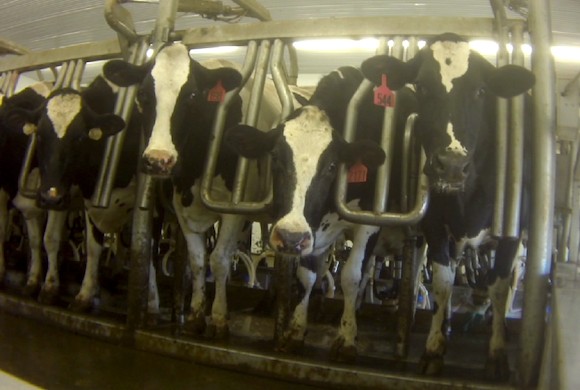
The U.S. dairy industry has a record of egregious water
pollution. In fact, animal excrement and other agricultural runoff from
large-scale farms have polluted nearly one-third of rivers in the U.S.
pollution. In fact, animal excrement and other agricultural runoff from
large-scale farms have polluted nearly one-third of rivers in the U.S.
3. Dairy Cows Are
Impregnated Over and Over
Impregnated Over and Over
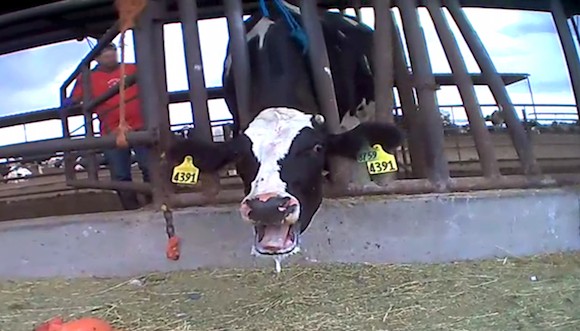
On many farms this is accomplished through artificial
insemination, a highly invasive and stressful procedure that is repeated
approximately every 12 months. Cows used for dairy are kept in a constant cycle
of pregnancy, birth, and lactation.
insemination, a highly invasive and stressful procedure that is repeated
approximately every 12 months. Cows used for dairy are kept in a constant cycle
of pregnancy, birth, and lactation.
4. Male Calves Are
Often Killed for Veal
Often Killed for Veal
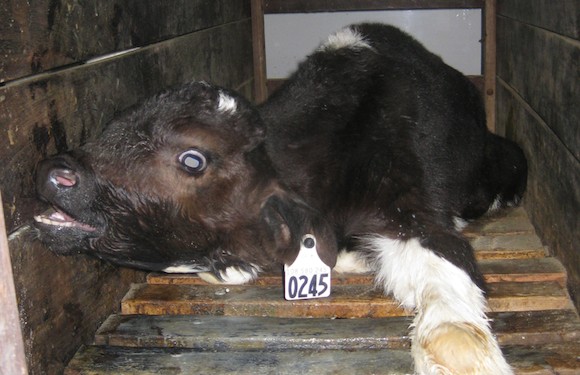
Because male calves don’t produce milk, they’re of no use to dairy farms
and are often sold for veal production. Veal is a direct by-product of the
dairy industry.
and are often sold for veal production. Veal is a direct by-product of the
dairy industry.
5. Dairy Is Linked to
Cancer
Cancer
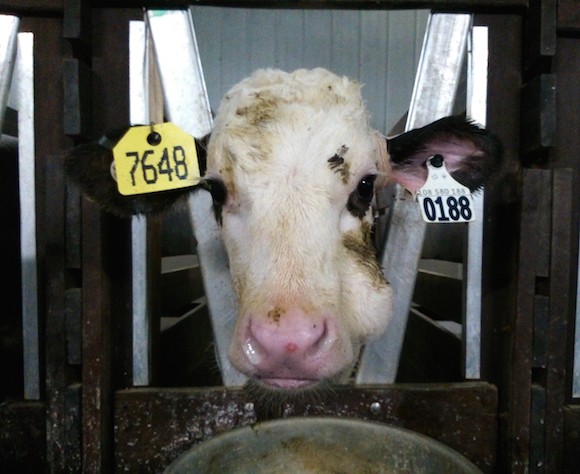
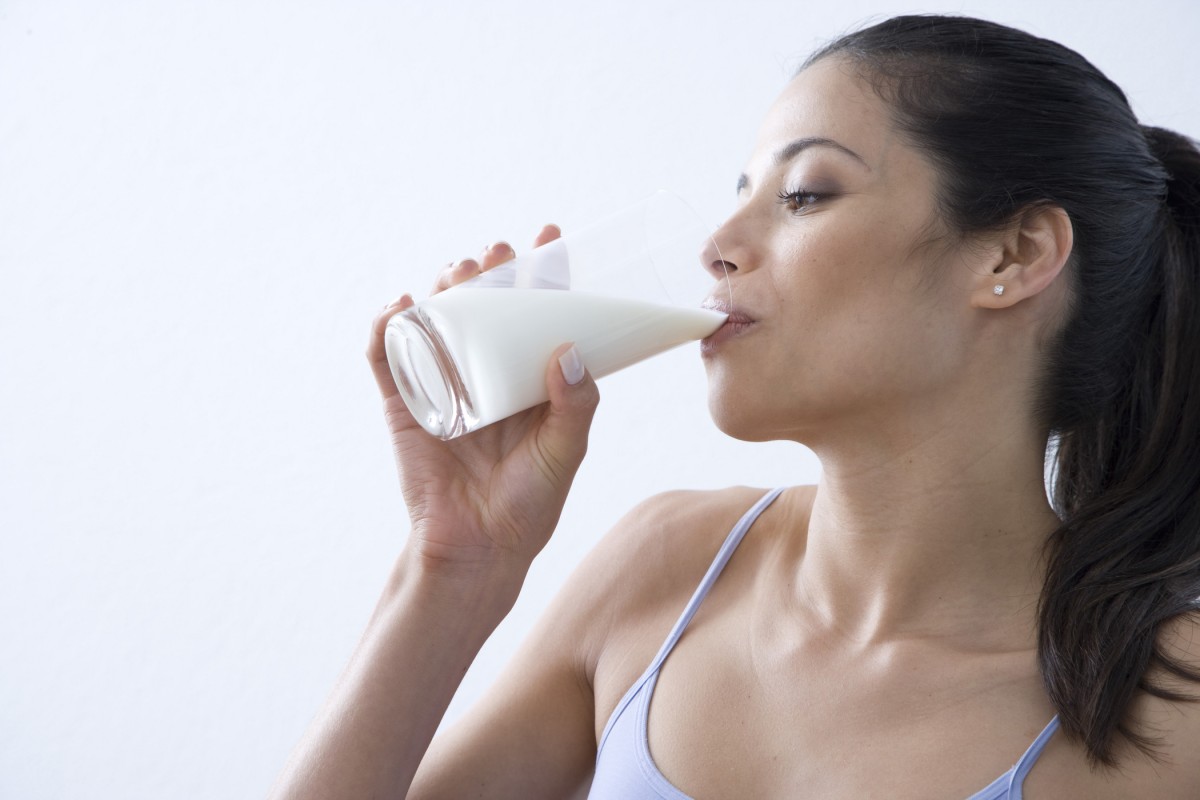
Cow’s milk increases the risk of prostate cancer by 60
percent for every two glasses consumed each day, and women who switch from
dairy to soy products reduce their risk of breast cancer by a shocking 43
percent.
percent for every two glasses consumed each day, and women who switch from
dairy to soy products reduce their risk of breast cancer by a shocking 43
percent.
6. Baby Calves Are
Stolen From Their Mothers
Stolen From Their Mothers
Newborn calves are typically taken away from their mothers
within hours of birth. After forcible separation from their calves, cows often
bellow for hours or even days, pacing and searching for them.
within hours of birth. After forcible separation from their calves, cows often
bellow for hours or even days, pacing and searching for them.
7. Dairy Production
Is Unsustainable
Is Unsustainable
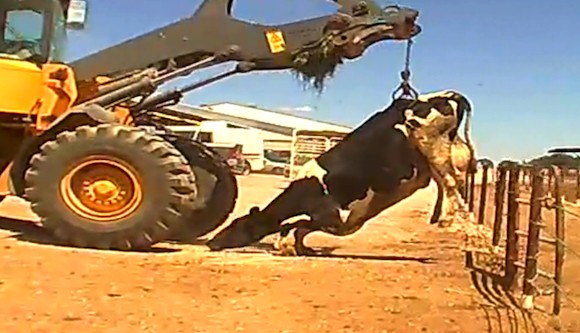
According to the Food and Agriculture Organization of the
United Nations, carbon dioxide emissions from raising farmed animals make up
about 15 percent of global human-induced emissions, with beef and milk
production as the leading culprit.
United Nations, carbon dioxide emissions from raising farmed animals make up
about 15 percent of global human-induced emissions, with beef and milk
production as the leading culprit.
8. Dairy Cows Endure
Painful Infections
Painful Infections
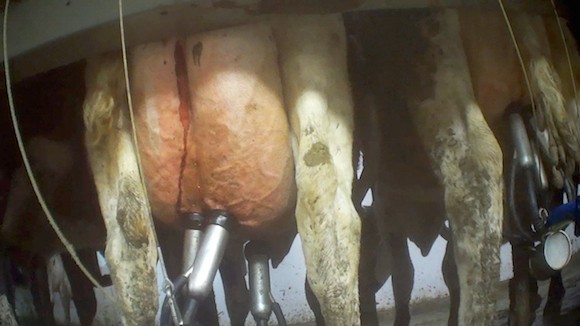
Subjected to intensive genetic manipulation, cows produce
abnormally large quantities of milk. This unnatural production, combined with
the physical damage inflicted by the milking equipment, contributes to
mastitis, a painful udder infection.
abnormally large quantities of milk. This unnatural production, combined with
the physical damage inflicted by the milking equipment, contributes to
mastitis, a painful udder infection.
9. Dairy Cows Are
Killed After Only Four Years
Killed After Only Four Years
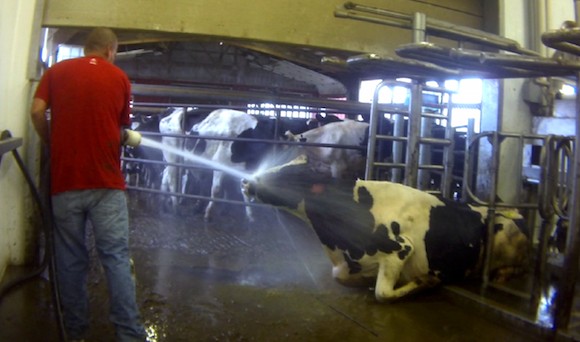
While their natural lifespan is 25 years, cows raised on
dairy factory farms become so physically exhausted that they’re often slaughtered
at only four or five years of age.
dairy factory farms become so physically exhausted that they’re often slaughtered
at only four or five years of age.
10. Dairy Is Sucking
Us Dry
Us Dry
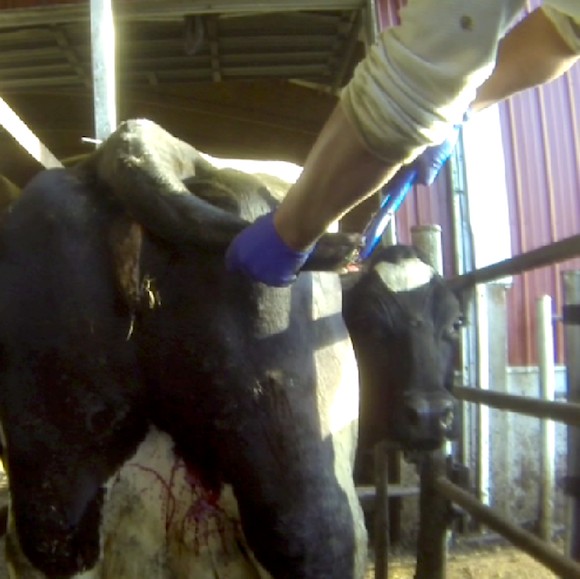
Dairy production is incredibly water-intensive. According to
Mother
Jones, it takes 30 gallons of water to make one glass of milk, 50
gallons of water to make two slices of cheese, and a whopping 109 gallons of
water to make one stick of butter.
Mother
Jones, it takes 30 gallons of water to make one glass of milk, 50
gallons of water to make two slices of cheese, and a whopping 109 gallons of
water to make one stick of butter.
11. Many Dairy Cows End
Up Hamburger Meat
Up Hamburger Meat
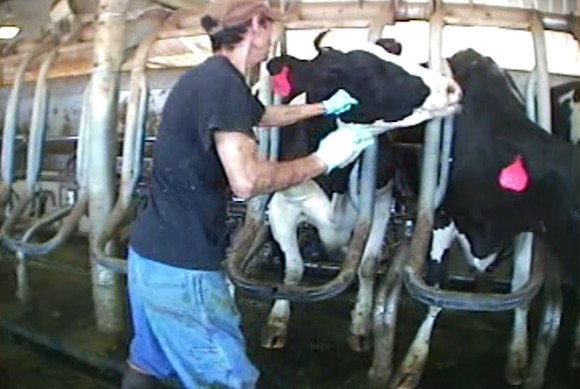
Weak, lame, sick, and injured, “spent” dairy cows
are often brutally electrically prodded, beaten, and even dragged before being
slaughtered and processed into ground beef.
are often brutally electrically prodded, beaten, and even dragged before being
slaughtered and processed into ground beef.
12. Milk Consumption Is
Falling
Falling
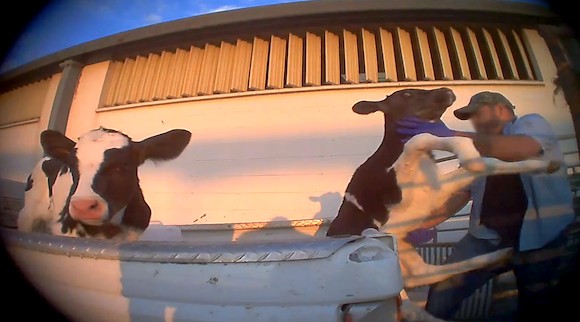
Since 1970, cow’s milk consumption has fallen a
whopping 40 percent in the U.S. while sales of nondairy milk alternatives
have soared by
30 percent since 2011.
whopping 40 percent in the U.S. while sales of nondairy milk alternatives
have soared by
30 percent since 2011.
—
Luckily, consumers are able to withdraw their financial
support from farmers who routinely abuse animals by adopting a healthy and
humane vegan diet.
support from farmers who routinely abuse animals by adopting a healthy and
humane vegan diet.
Click here for
tips on how to make the transition to a cruelty-free lifestyle.
tips on how to make the transition to a cruelty-free lifestyle.