Animal agriculture is an extremely inefficient and
resource-intensive way to produce food for the growing human population. It
pollutes our environment while consuming huge quantities of water, grain,
petroleum, pesticides, and drugs.
resource-intensive way to produce food for the growing human population. It
pollutes our environment while consuming huge quantities of water, grain,
petroleum, pesticides, and drugs.
A new article by Motherboard
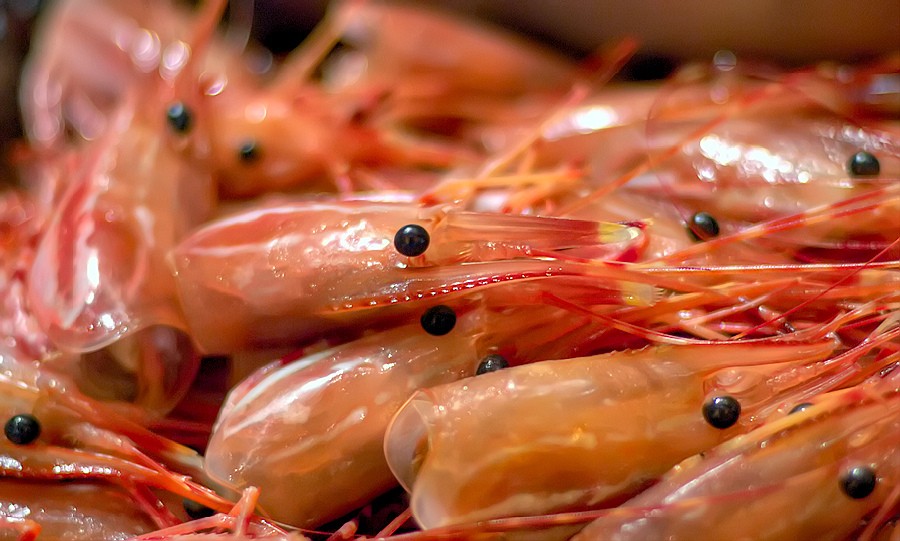
details the serious environmental impact of shrimp farming on coastal mangroves
in the Philippines:
details the serious environmental impact of shrimp farming on coastal mangroves
in the Philippines:
Coastal shrimp farmers grow the
animals in large, constructed ponds, located on the water’s edge so that their
water can be exchanged regularly. The water must be exchanged to discharge the
animal waste that accumulates, as well as the hormones that are used to
encourage rapid growth and antibiotics that are used to treat and prevent
infections. Because the ponds are located on the coast, mangroves must be
ripped out. Over time, antibiotics accumulate
in the soil, a pattern that has been linked to the development of antibiotic-resistant
bacteria.
Large-scale farming inflicts not only severe environmental
damage, but also unimaginable animal cruelty. Indeed, scientists worldwide have
demonstrated that fish and other aquatic creatures feel pain and can suffer.
damage, but also unimaginable animal cruelty. Indeed, scientists worldwide have
demonstrated that fish and other aquatic creatures feel pain and can suffer.
The best thing we can do to oppose the cruel and destructive
fishing industry is to leave all aquatic animals off our plates.
fishing industry is to leave all aquatic animals off our plates.
Check out amazing vegan versions of fish and other seafood, such
as Gardein’s fishless
filet and crabless
cakes, available nationwide. Click here for
compassionate, sea-inspired recipes and here
for information on adopting a kind and sustainable vegan diet.
as Gardein’s fishless
filet and crabless
cakes, available nationwide. Click here for
compassionate, sea-inspired recipes and here
for information on adopting a kind and sustainable vegan diet.