In a major victory for animals, Brazil officially banned the production and sale of foie gras and other food products made by force-feeding animals.
President Luiz Inácio Lula da Silva signed Bill 90/2020 into law on July 23, following years of advocacy by animal protection organizations and more than one million messages from supporters urging lawmakers to pass the legislation.
Now, Law No. 15,475/2026 prohibits, throughout Brazil, the production and sale of any food obtained by forcing animals to consume food beyond their natural limits. The law specifically includes foie gras, a “luxury” product made by force-feeding ducks and geese until their livers become diseased and severely enlarged.
For the animals subjected to this practice, this legislation is much more than a policy change. It represents an important rejection of the idea that animals should be made to suffer for the sake of a gourmet food product.
The ban will take effect 180 days after the law’s official publication.

What Is Foie Gras, and Why Is Force-Feeding So Cruel?
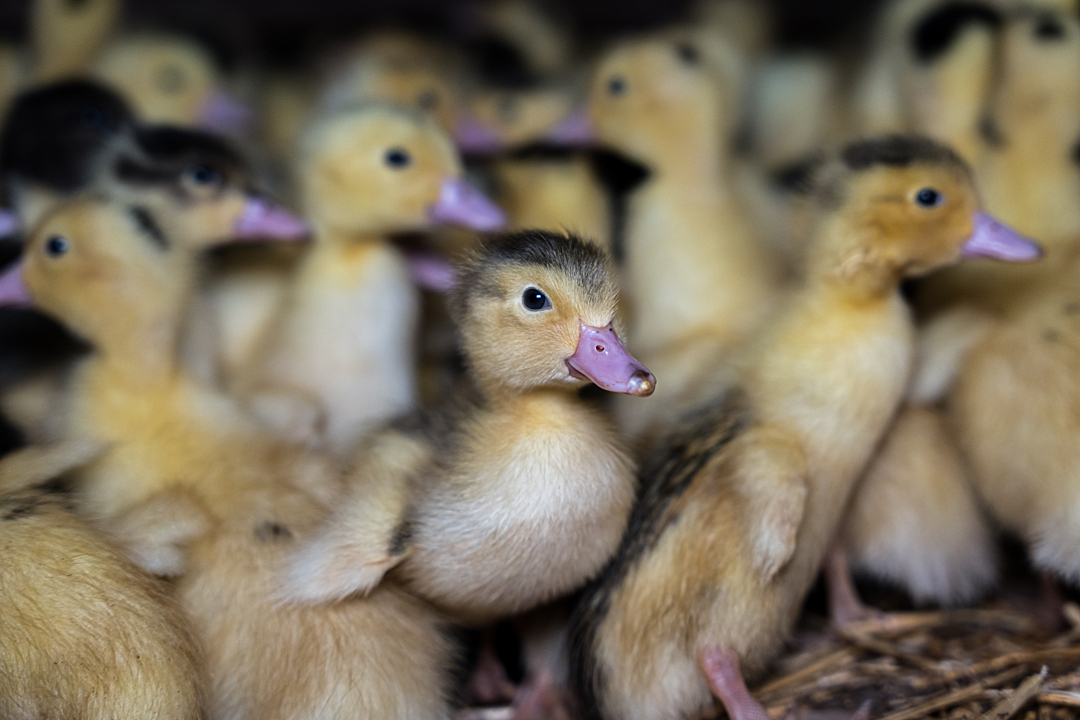
Foie gras, French for “fatty liver,” is made from the diseased, enlarged livers of ducks or geese.
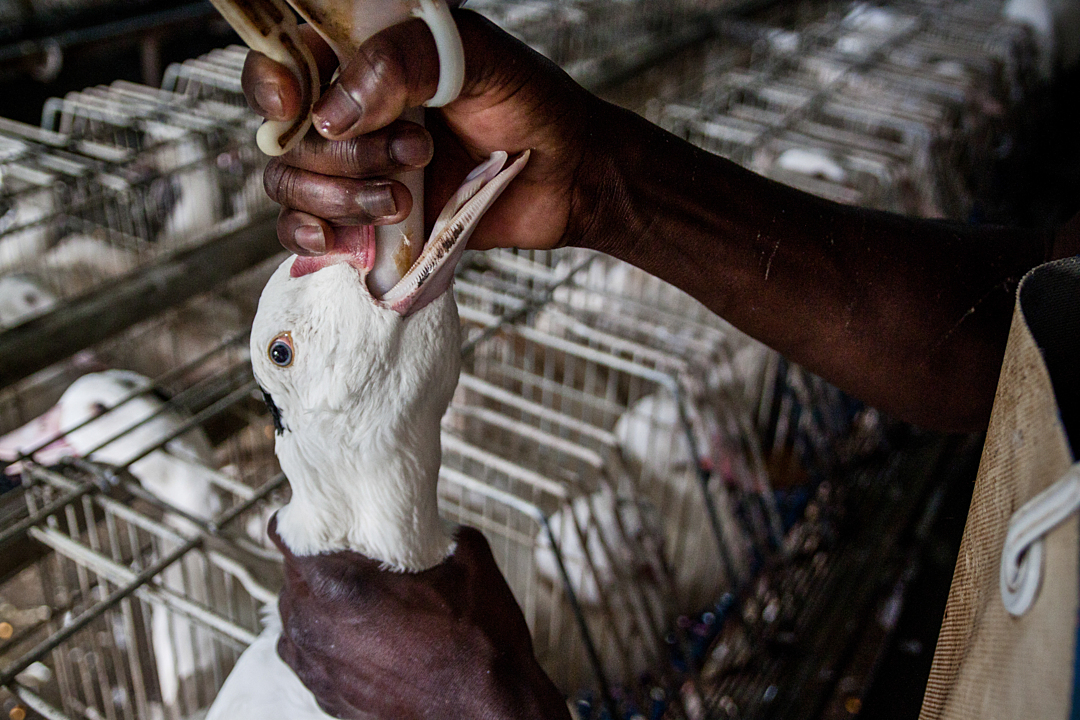
To produce conventional foie gras, birds are subjected to a process known as “gavage,” or force-feeding. Workers repeatedly insert a long metal or plastic tube down a bird’s throat and pump large quantities of food directly into the animal’s digestive system. Birds may be forced to consume several times more food than they would naturally eat.
The goal is to intentionally cause the birds’ livers to become diseased and enlarged—sometimes growing up to 10 times their normal size.
The birds can suffer injuries to the mouth and esophagus, difficulty breathing, impaired mobility, heat stress, and other serious health problems. The repeated force-feeding itself can also cause severe stress and suffering.
In much of the foie gras industry, male birds are used for production, while females may be killed shortly after hatching because they are considered less profitable.
Foie gras is often marketed as a delicacy. But behind the finished product are individual animals subjected to fear, pain, and a deliberately induced disease. Brazil’s new law recognizes that animals deserve protection from this extreme and unnecessary cruelty.
More Than One Million Messages Helped Push the Bill Forward
This historic victory was years in the making, and advocates across Brazil made their voices impossible to ignore.
Between March and April 2026 alone, lawmakers received more than one million emails calling for the bill’s full approval. After the legislation reached the president’s desk, approximately 17,000 additional emails urged President Lula to sign it into law.
Mercy For Animals worked alongside other animal protection organizations to help build support for the legislation. Fifteen organizations joined the Parliamentary Front in Defense of Animals and the Mixed Environmental Parliamentary Front of the National Congress in sending an open letter to President Lula calling on him to approve the bill in full.
The campaign also drew significant attention on social media, demonstrating widespread public support for protecting animals from force-feeding. Even Brazil’s first lady expressed her support.

Brazil Takes a Stand Against Force-Feeding
Brazil’s new law goes beyond prohibiting foie gras production. Because it also prohibits the sale of food produced through force-feeding, the measure applies to both imported and domestically produced products.
The legislation follows growing international opposition to force-feeding. Foie gras production through force-feeding is already prohibited in numerous countries, including the United Kingdom, Germany, Italy, Norway, and Poland. In the United States, California prohibits force-feeding birds to enlarge their livers and the sale of products resulting from the practice.
These protections reflect a growing recognition that animals are sentient beings capable of experiencing pain, fear, and distress. Brazil’s action represents another major step toward leaving this cruel practice behind and building a more compassionate food system.
This Victory Belongs to Everyone Who Spoke Up
The passage of this law shows what sustained advocacy can accomplish.
From the organizations that spent years advancing the legislation to the more than 1 million messages sent to decision-makers, people across Brazil came together to demand better protections for animals. And lawmakers listened!
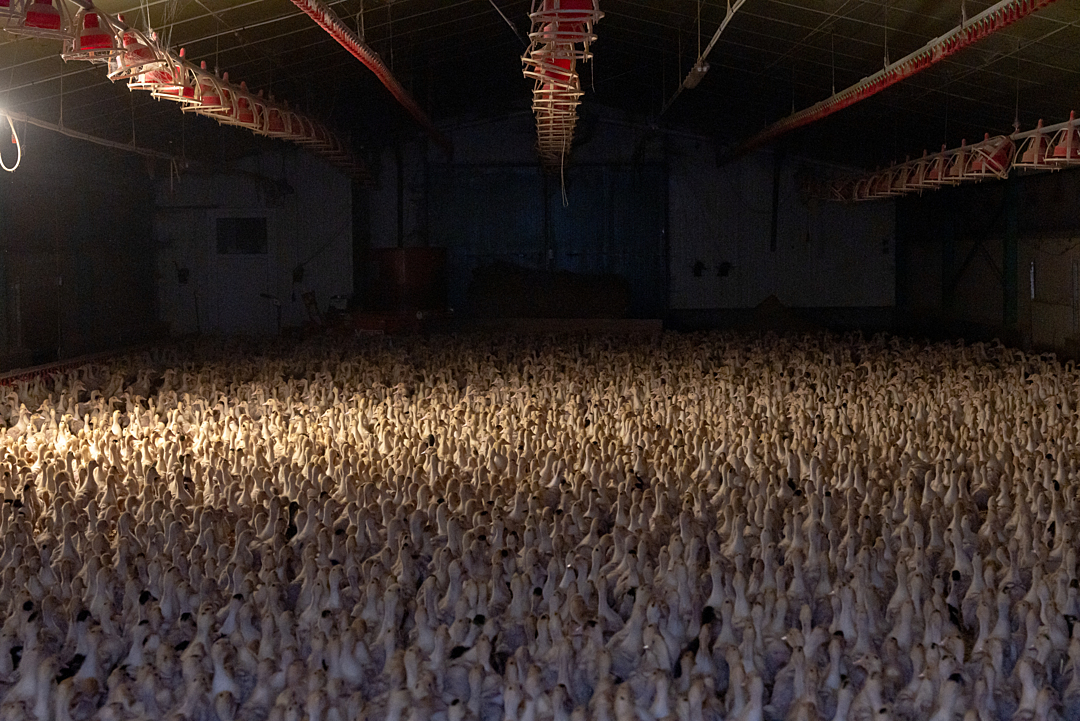
Most importantly, this victory is for the animals. Ducks and geese are thinking, feeling individuals with their own needs and interests. They should never be reduced to commodities or subjected to painful procedures simply to produce an expensive delicacy.
We are deeply grateful to every Mercy For Animals supporter and advocate who took action, shared the campaign, contacted decision-makers, or helped spread the word.
This victory is yours, too.
There is still so much work ahead to build a world where all animals are respected and protected. But victories like this show that laws can change, harmful practices can end, and a more compassionate food system is possible.
Together, we can continue creating a kinder world.