A decade ago, major food companies promised Canadians they would improve animal welfare in their supply chains.
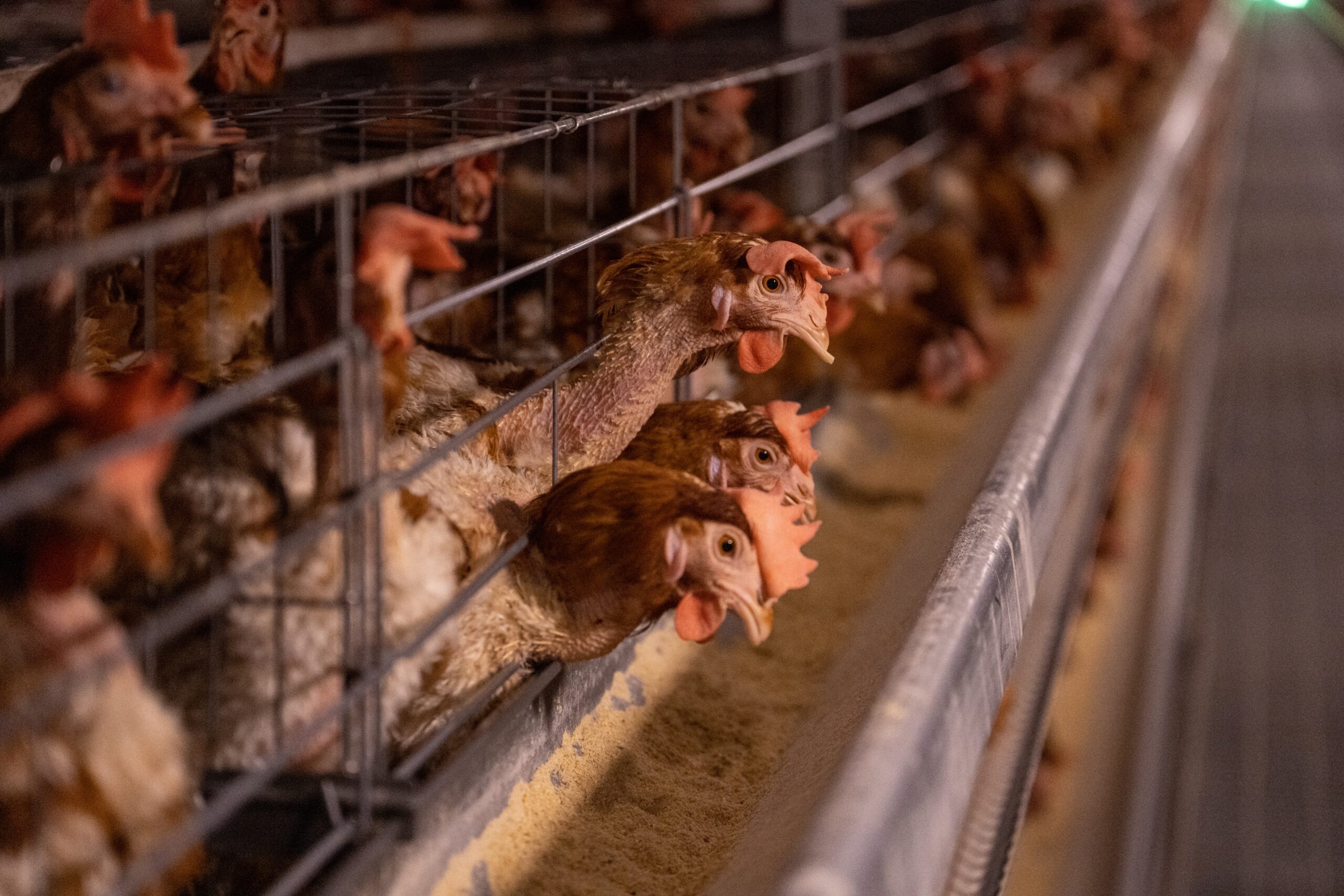
For millions of animals, those promises should have meant less suffering, fewer cages, and better living conditions. For consumers, they should have meant confidence that the brands they support were delivering meaningful change – not just making headlines.
Ten years later, Canadians still shouldn’t have to wonder who kept their word. Animal welfare commitments are not just public relations statements. They are promises made to consumers, investors, and the communities these companies serve. When a company pledges to improve conditions for animals, the public deserves to know whether that commitment has produced measurable results or simply remained another unfulfilled corporate promise.
That is why transparency matters.
Mercy For Animals’ 2026 Canada Animal Welfare Scorecard evaluates 46 leading food companies operating in Canada on their progress toward cage-free egg commitments and the Better Chicken Commitment. Its findings reveal a stark divide: some companies are delivering real progress, while others continue to delay, weaken policies, or fail to provide meaningful public updates.
There is encouraging news. Nearly 80% of evaluated companies now publicly report progress on at least one animal welfare commitment, and 15 companies have fulfilled their cage-free pledges—a 60% increase since 2024. Eleven restaurant chains now source 100% cage-free eggs, demonstrating that meaningful change is achievable.
But transparency without accountability is not enough.
A company should not be able to benefit from the goodwill of an animal welfare promise without showing the public what it has actually done. Canadians deserve more than broad statements and past due deadlines. They deserve hard data, measurable milestones, and public implementation plans that prove commitments are being honoured.
The need for proof is especially urgent because Canada is falling behind. While the United Kingdom has reached 82% cage-free egg production and the United States 47%, Canada remains at just 21%. That gap represents millions of hens still confined in cages and a food industry that is lagging behind global peers.
Still, this is not simply a story of failure. It is a story of accountability.
Some companies have chosen to lead. They have made progress, reported it publicly, and shown that higher welfare standards can be achieved at scale. Others have weakened commitments, relied on loopholes, or asked consumers to accept promises without evidence.
That is no longer acceptable.
Consumers are paying closer attention to how food is produced. They want to know whether companies are living up to their values. They want honesty, not marketing. They want proof, not promises.
Food companies operating in Canada have a clear path forward: eliminate cages, reject loopholes that undermine true cage-free commitments, adopt higher-welfare standards for chickens, and publish transparent progress reports with measurable timelines and annual updates.
The companies that act now will build trust and help move the industry forward. Those that fail to provide proof risk losing public confidence as consumer expectations continue to rise.
Ten years is long enough to wait.
Canadian consumers deserve to know which companies are leading, which are falling behind, and which are still asking the public to accept promises without proof.
Kelcie Leach, Corporate Relations Manager for the United States and Canada at Mercy For Animals, works with leading food companies to advance higher animal welfare standards and corporate accountability across North America.