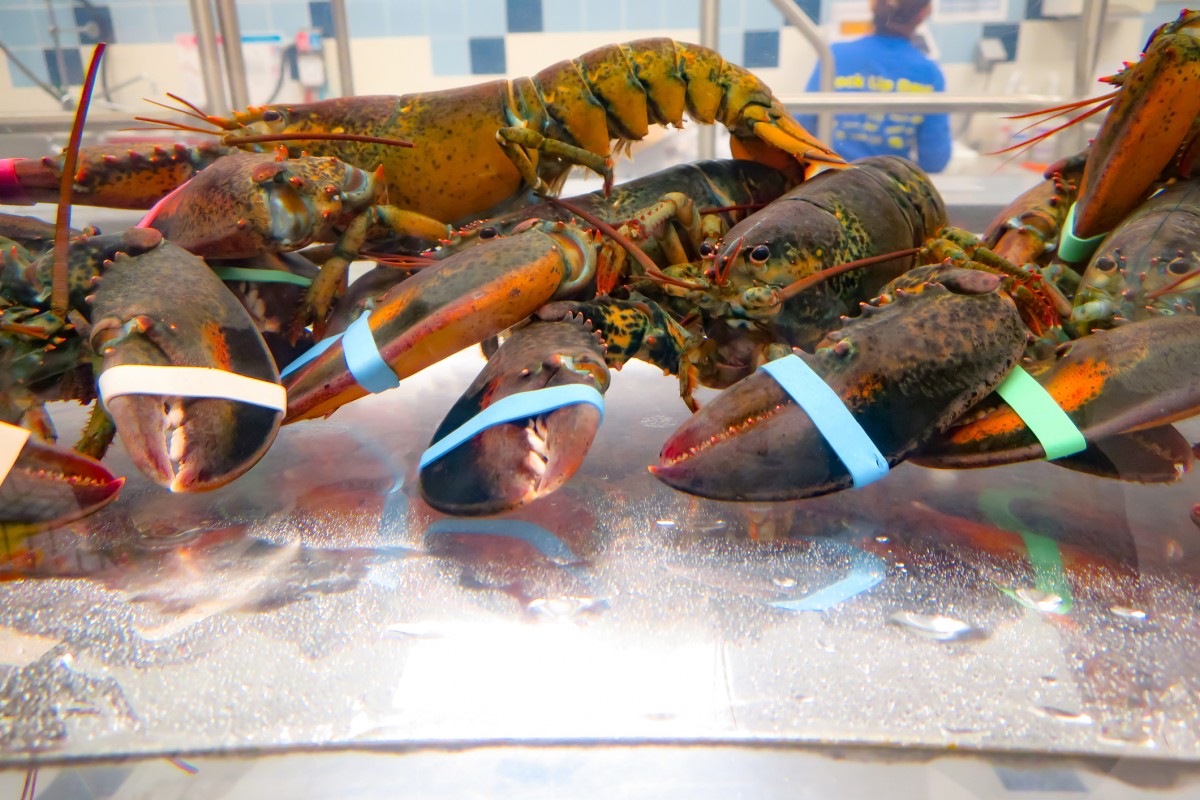
It’s a misconception we hear all the time: Lobsters and crabs don’t feel pain. But this couldn’t be further from the truth. And sadly, these poor animals pay the price for this misguided thinking.
A 2013 study published in the Journal of Experimental Biology reveals that European shore crabs experience pain. Queen’s University Belfast professor Bob Elwood, who conducted the study, notes that the crabs’ response
to adverse stimuli “fits all the criteria of pain.
to adverse stimuli “fits all the criteria of pain.
In a recent interview with the CBC, Professor Elwood said:
We can’t prove pain
in any animal species. You can only do studies and if they’re consistent with
the idea of pain, you begin to think perhaps we should give them the benefit of
the doubt. It’s what we call the precautionary principle and [it] gives them some
protection in case they do feel pain.
The researchers’ previous work also found that
hermit crabs and prawns exhibited similar pain-avoidance behaviors indicative
of sentience and feeling. They now believe that all decapod crustaceans, a group that includes lobsters and
crayfish, feel pain. This has prompted Professor Elwood to seriously
question the absence of laws protecting their welfare.
hermit crabs and prawns exhibited similar pain-avoidance behaviors indicative
of sentience and feeling. They now believe that all decapod crustaceans, a group that includes lobsters and
crayfish, feel pain. This has prompted Professor Elwood to seriously
question the absence of laws protecting their welfare.
Sadly, in the United States these animals are
denied even the most basic legal protections. Not a single federal animal
welfare law protects crustaceans or fish. As a result, the seafood industry
subjects countless animals to lives of unimaginable pain and slow, cruel
deaths.
denied even the most basic legal protections. Not a single federal animal
welfare law protects crustaceans or fish. As a result, the seafood industry
subjects countless animals to lives of unimaginable pain and slow, cruel
deaths.
But recently the Swiss government passed a new measure requiring
lobsters to be made unconscious—either by electric shock or “mechanical
destruction of the brain—before boiling them. Additionally, boiling lobsters
alive is illegal in New Zealand and Reggio Emilia, a city in northern Italy.
lobsters to be made unconscious—either by electric shock or “mechanical
destruction of the brain—before boiling them. Additionally, boiling lobsters
alive is illegal in New Zealand and Reggio Emilia, a city in northern Italy.
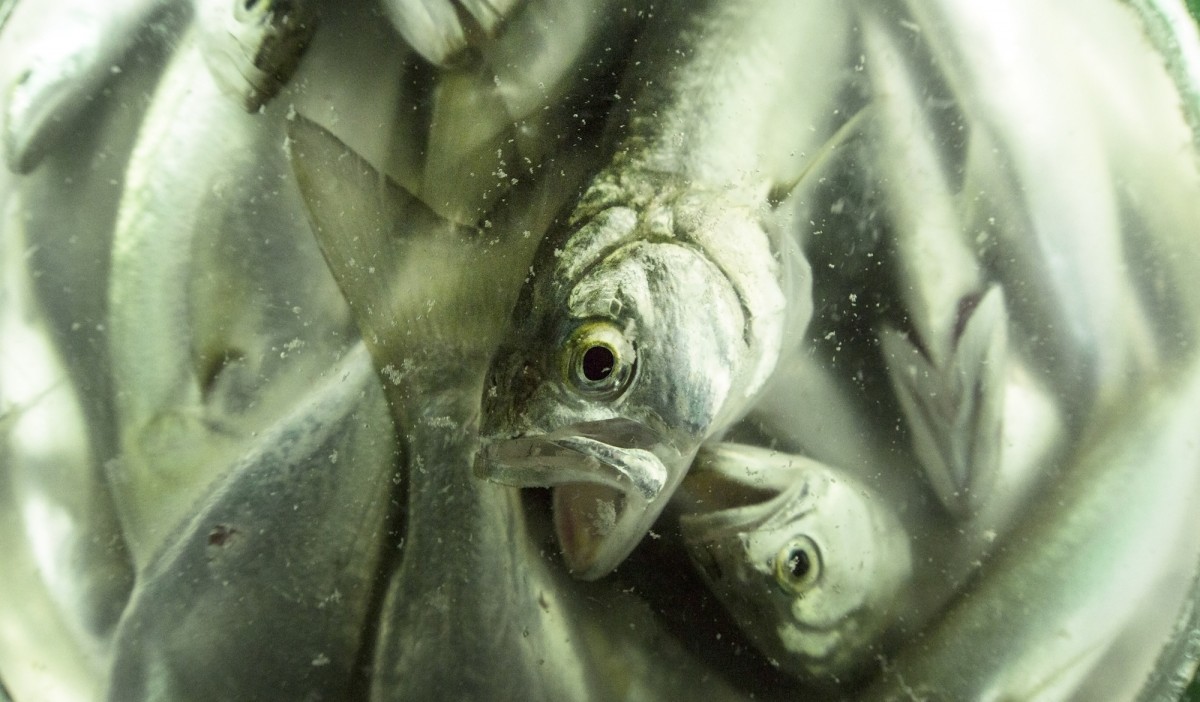
Like lobsters, crabs, and crayfish, other marine animals feel pain. In
fact, fish are similar to dogs and cats in their
experience of pain and pleasure.
fact, fish are similar to dogs and cats in their
experience of pain and pleasure.
In 2011 Mercy For Animals conducted an
undercover investigation at a fish slaughter facility and exposed
fish being skinned alive. They thrashed and fought to escape the
workers’ knives. As the fish gasped for oxygen, workers ripped off their skin
with pliers.
undercover investigation at a fish slaughter facility and exposed
fish being skinned alive. They thrashed and fought to escape the
workers’ knives. As the fish gasped for oxygen, workers ripped off their skin
with pliers.
Sounds horrifying, right? See for yourself.
Fortunately, you don’t have to wait another
minute to help stop the needless suffering of these sensitive animals. By
choosing healthy plant-based meals, you can ensure that lobsters, crabs, fish,
and other aquatic animals are spared senseless cruelty.
minute to help stop the needless suffering of these sensitive animals. By
choosing healthy plant-based meals, you can ensure that lobsters, crabs, fish,
and other aquatic animals are spared senseless cruelty.
Ready to get started? Check out all the amazing vegan versions of seafood, such as Gardein’s fishless filets and crabless cakes. And click here for compassionate sea-inspired recipes.