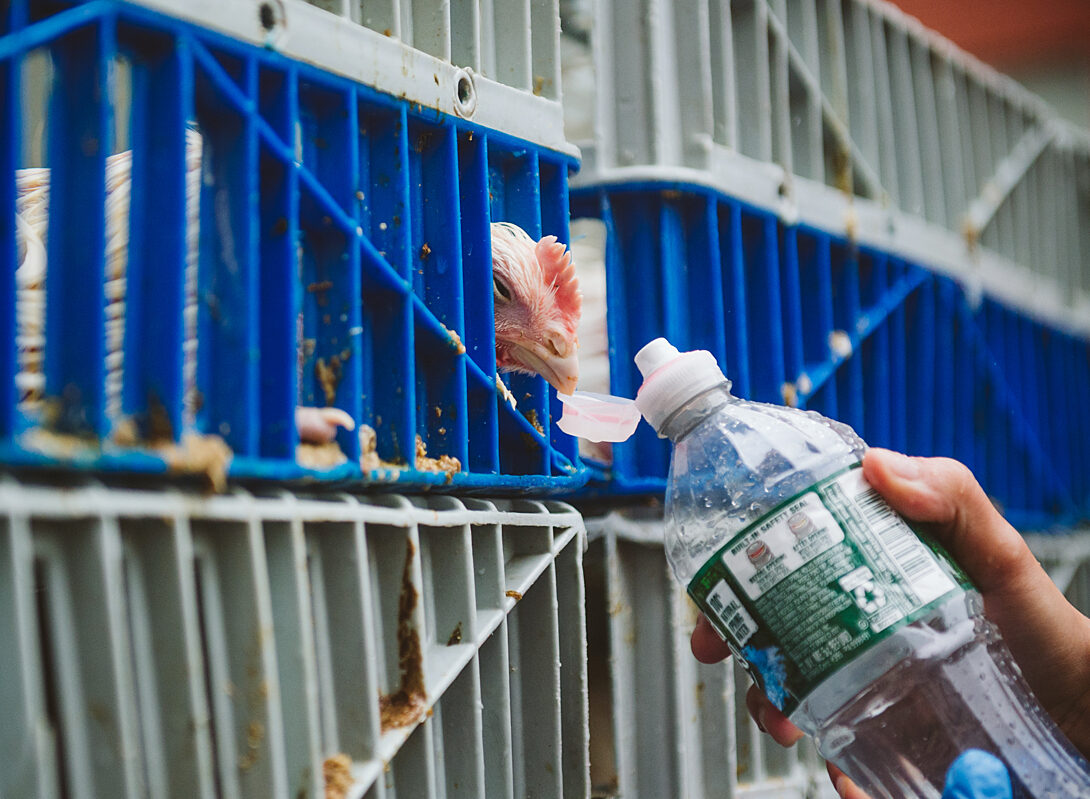
The 2025 U.S. government shutdown has serious consequences for farmed animals across the country, as critical protections and programs are paused or delayed. Here’s how:
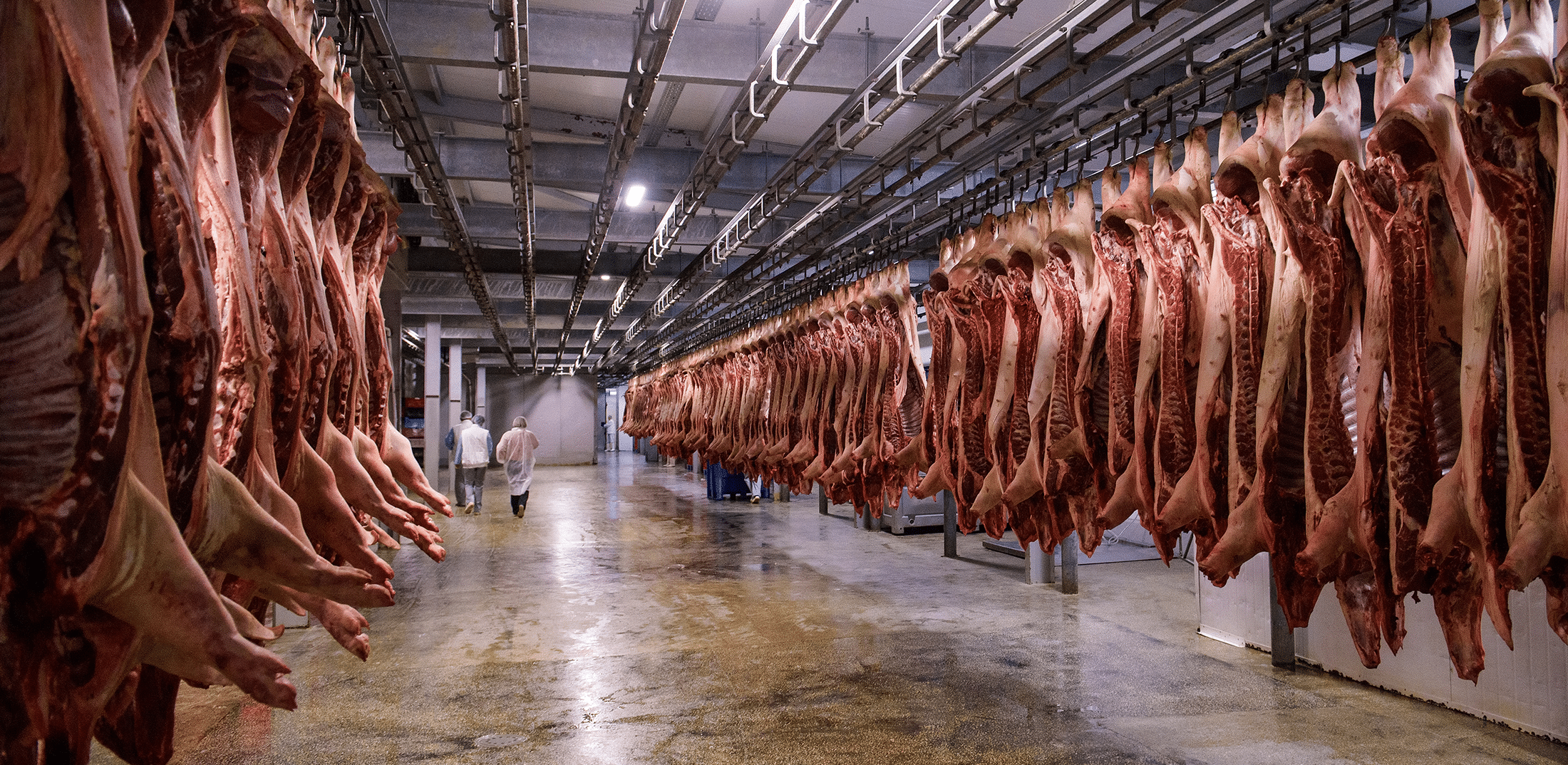
1. Farmed Animal Slaughter Oversight Slowed
While slaughterhouse inspections continue, enforcement of humane handling laws may be compromised. Many states rely on federal funding to support inspections of farms and slaughterhouses, and these funds could run out during the shutdown, leaving farmed animals at higher risk of abuse or neglect.
2. Organic Program Enforcement Suspended
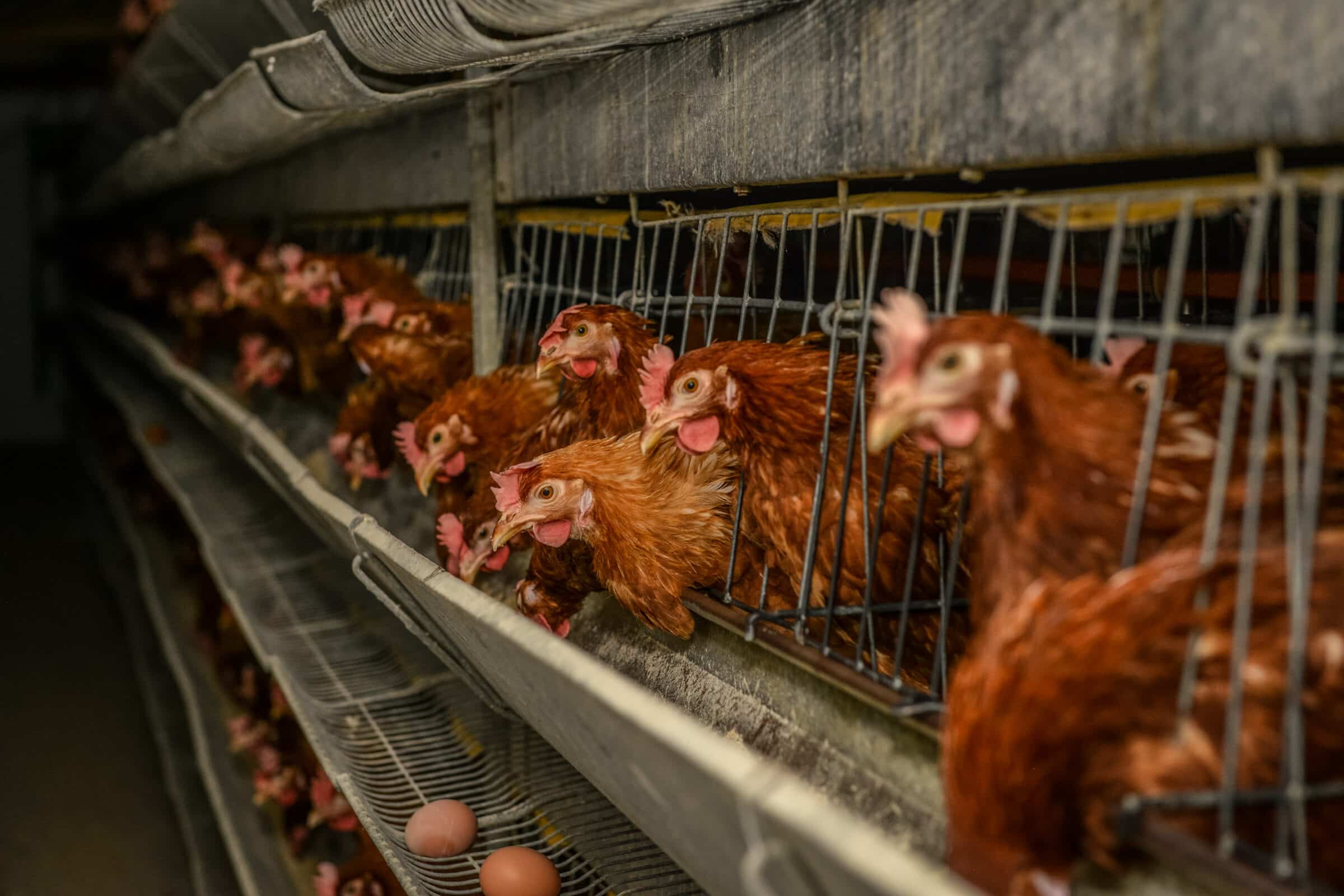
Animal welfare standards for organic meat, eggs, and dairy producers are not being enforced. These include protections against cruel practices such as debeaking, tail docking, and other mutilations, leaving some animals unprotected from routine suffering.
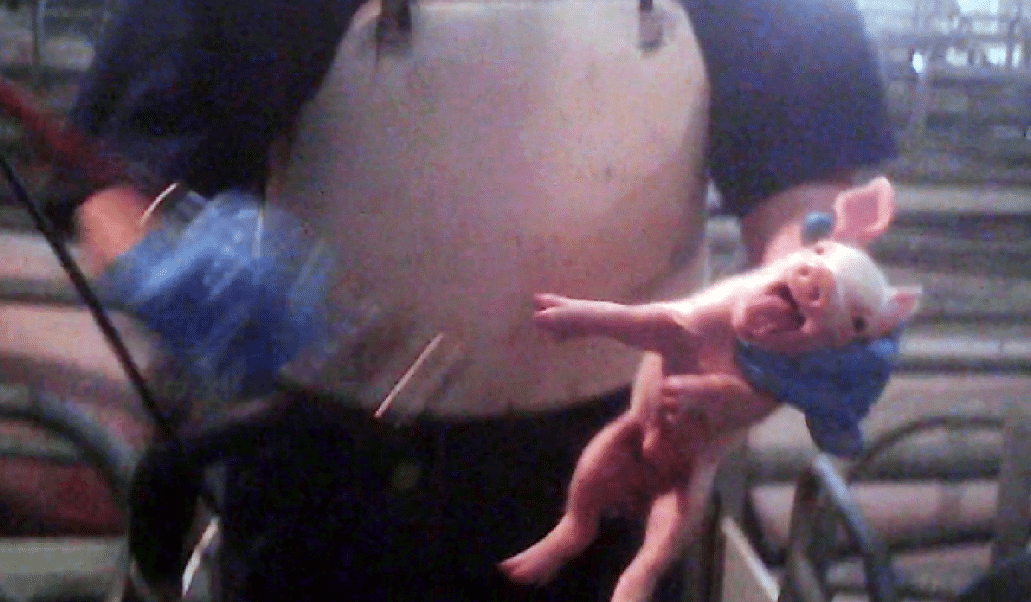
3. Nonemergency Disease Monitoring Scaled Back
Nonemergency disease prevention, detection, and surveillance by the USDA Animal and Plant Health Inspection Service is reduced. This slows responses to potential outbreaks, threatening both animals and people, as well as the overall food supply.
4. Animal Disease Research Interrupted
Research on farmed animal health, including farmed animal diseases, is paused, hindering efforts to prevent and manage outbreaks.
What You Can Do
Even in the face of a government shutdown, you can help:
- Stay informed and share updates about the impacts to animal protection.
- Contact your representatives to voice concern for animals during shutdowns.
- Withdraw your support for industries that harm animals, the environment, and human health by choosing plant-based foods.
- Support organizations that protect animals and fight for a kinder food system.
The government shutdown shows just how vulnerable animals are when federal protections are paused. By staying aware and taking action, we can help minimize the impact and continue advocating for them.