Experts say federal nutrition advice should reflect the full range of evidence-supported diets
LOS ANGELES — Mercy For Animals is concerned that newly released U.S. dietary guidelines significantly depart from decades of nutrition science by elevating animal-based protein while sidelining plant-forward dietary patterns widely supported by public health evidence.
While the guidance appropriately emphasizes reducing added sugars and prioritizing wholesome, healthy foods in the American diet, it places new and disproportionate emphasis on meat, full-fat dairy, and other animal-derived foods, despite longstanding research linking high intake of red meat and saturated fat to increased risk of cardiovascular disease, certain cancers, and premature death. At the same time, the guidelines fail to meaningfully encourage shifting protein intake toward plant-based sources, even though well-planned plant-forward diets are consistently associated with improved health outcomes.
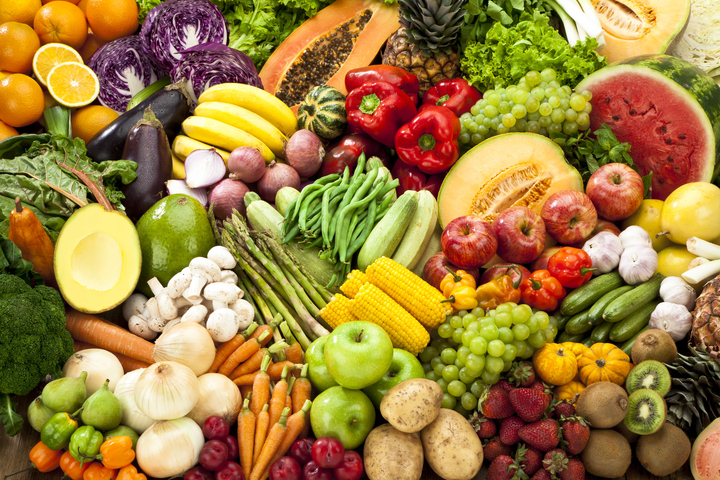
A substantial body of scientific evidence supports diets centered on whole plant foods, including beans, lentils, peas, tofu, tempeh, nuts, and seeds, as nutritionally adequate across the lifespan and protective against chronic disease. Framing vegetarian and vegan diets primarily through the lens of potential nutrient shortfalls, rather than as evidence-based dietary patterns, risks mischaracterizing their benefits and confusing the public about what constitutes healthy nutrition.
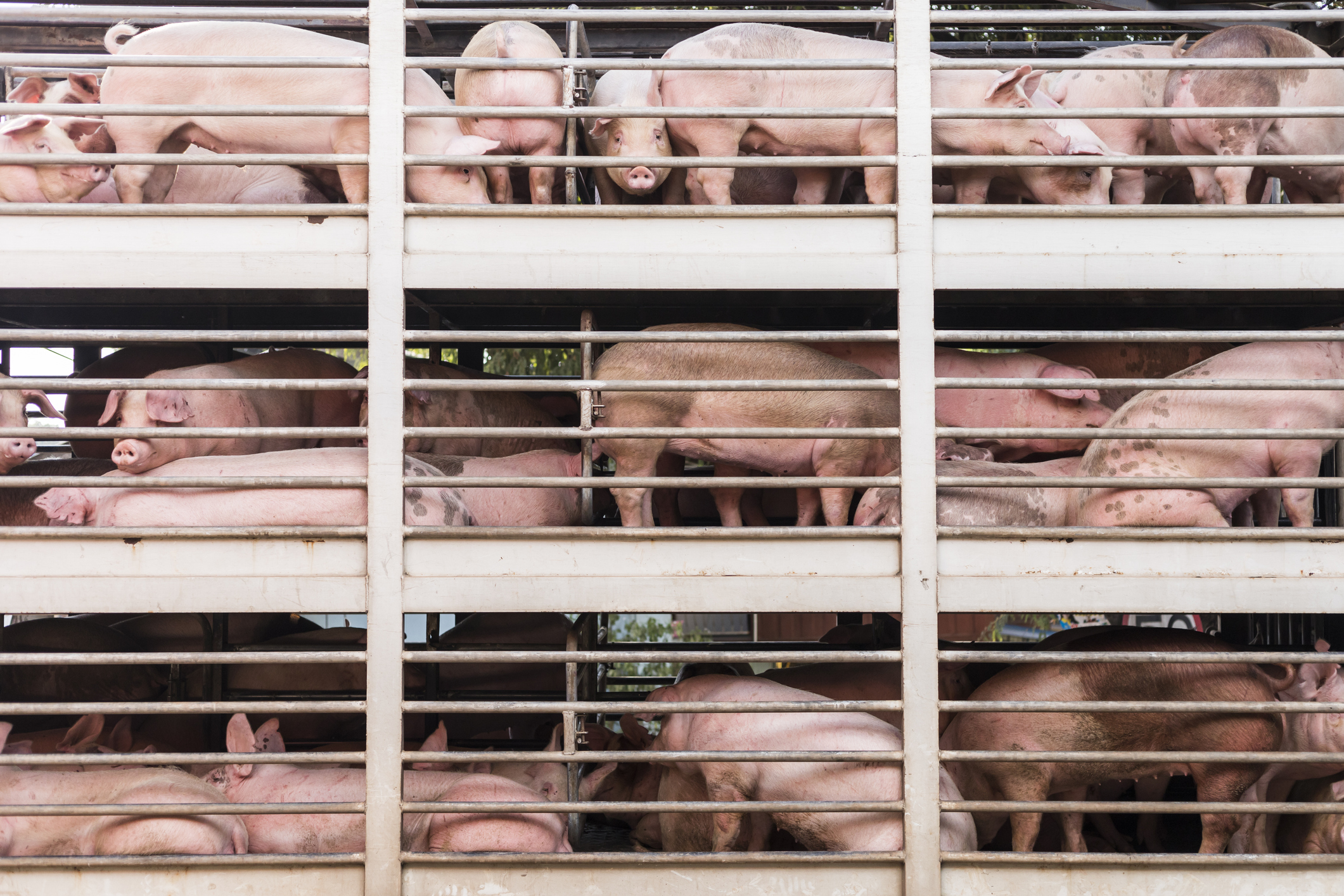
Federal dietary guidelines shape food served in schools, hospitals, military facilities, and other public institutions, often for years at a time. By prioritizing animal-based protein in this way, the new guidance represents a federal endorsement of dietary patterns that may undermine long-standing public health goals and increase demand for foods associated with preventable disease and widespread animal suffering.
Mercy For Animals supports nutrition guidance grounded in science, that promotes balance and dietary diversity, and that reflects the full range of healthy eating patterns supported by evidence. We remain committed to advancing food system solutions that protect public health, reduce harm to animals, and expand access to affordable, nutritious plant-based protein options.
For more information or to schedule an interview, contact Ronnika A. McFall at [email protected].
###
Mercy For Animals is a leading international nonprofit working to end industrial animal agriculture by constructing a just and sustainable food system. Active in Brazil, Canada, India, Mexico, Southeast Asia, and the United States, the organization has conducted over 100 investigations of factory farms and slaughterhouses, influenced over 500 corporate policies, and helped pass historic legislation to ban cages for farmed animals. Learn more at MercyForAnimals.org.