The idea of octopus farming is so cruel that around the world, legislators, scientists, environmental organizations, and animal advocates are taking action to stop the practice before it ever begins. Although no commercial octopus farms operate at scale anywhere yet, recent developments have propelled this issue into the spotlight. Here’s everything you need to know about the current state of octopus farming:
What is Octopus Farming?
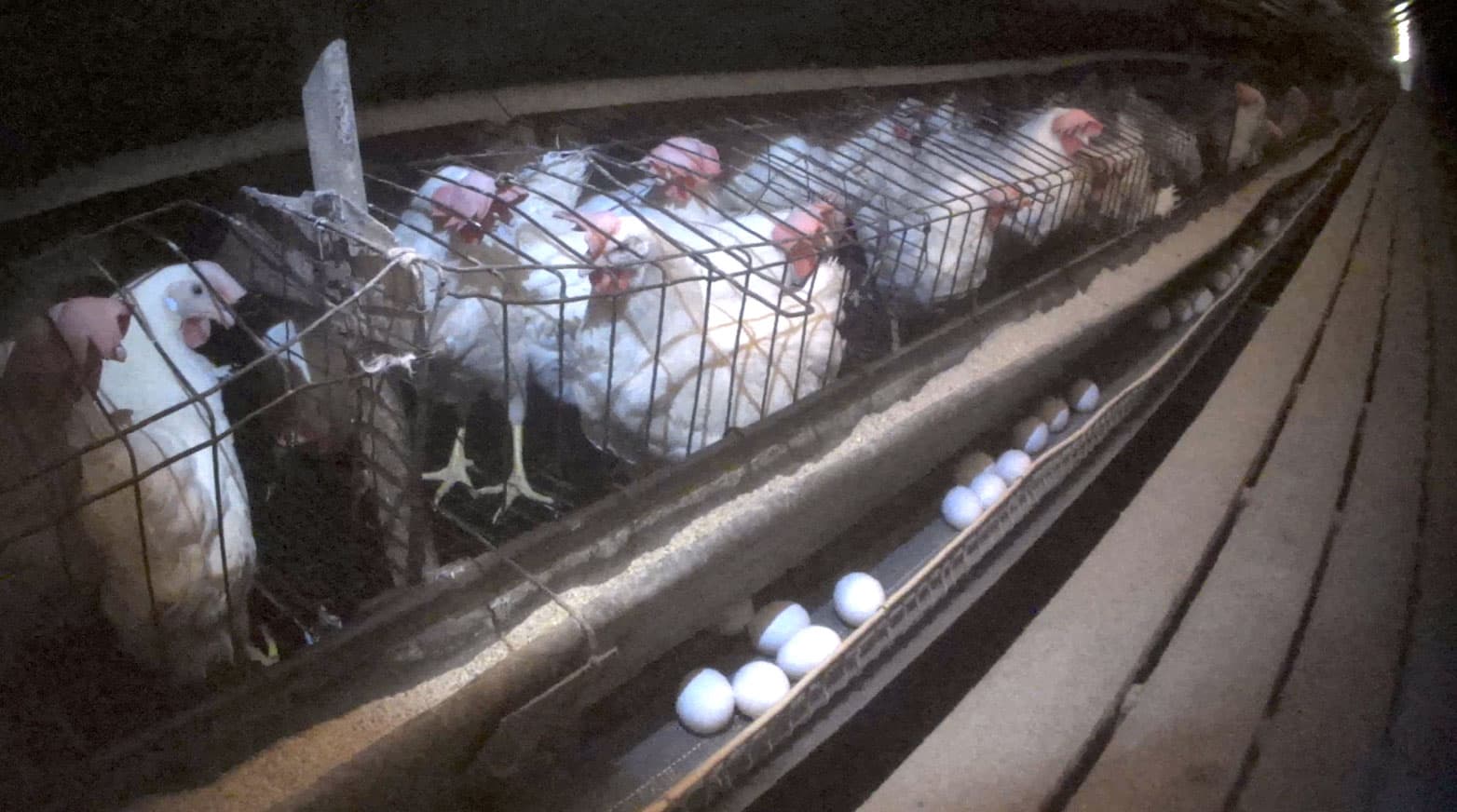
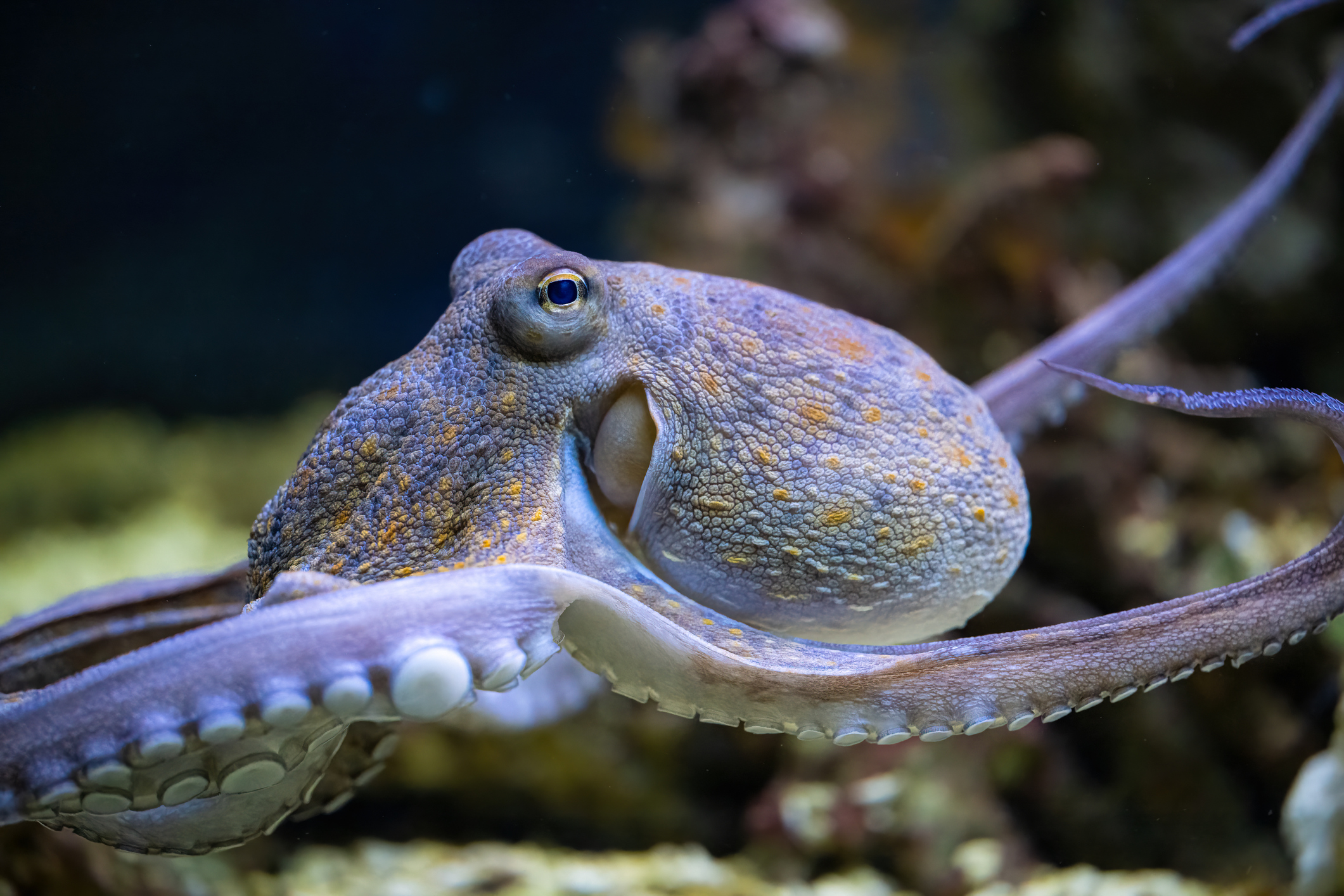
Just like other forms of factory farming, octopus farming entails raising animals for slaughter in crowded spaces with little room to move. This is especially cruel for octopuses, as these solitary, territorial animals naturally avoid one another and prefer to live in dark, quiet places.
Experts have warned that industrial octopus farms would force octopuses to live under prolonged bright light in cramped, barren tanks with multiple others. Confining animals in such unnatural environments often leads to psychological distress and abnormal behaviors such as cannibalism, self-injury, and premature death.
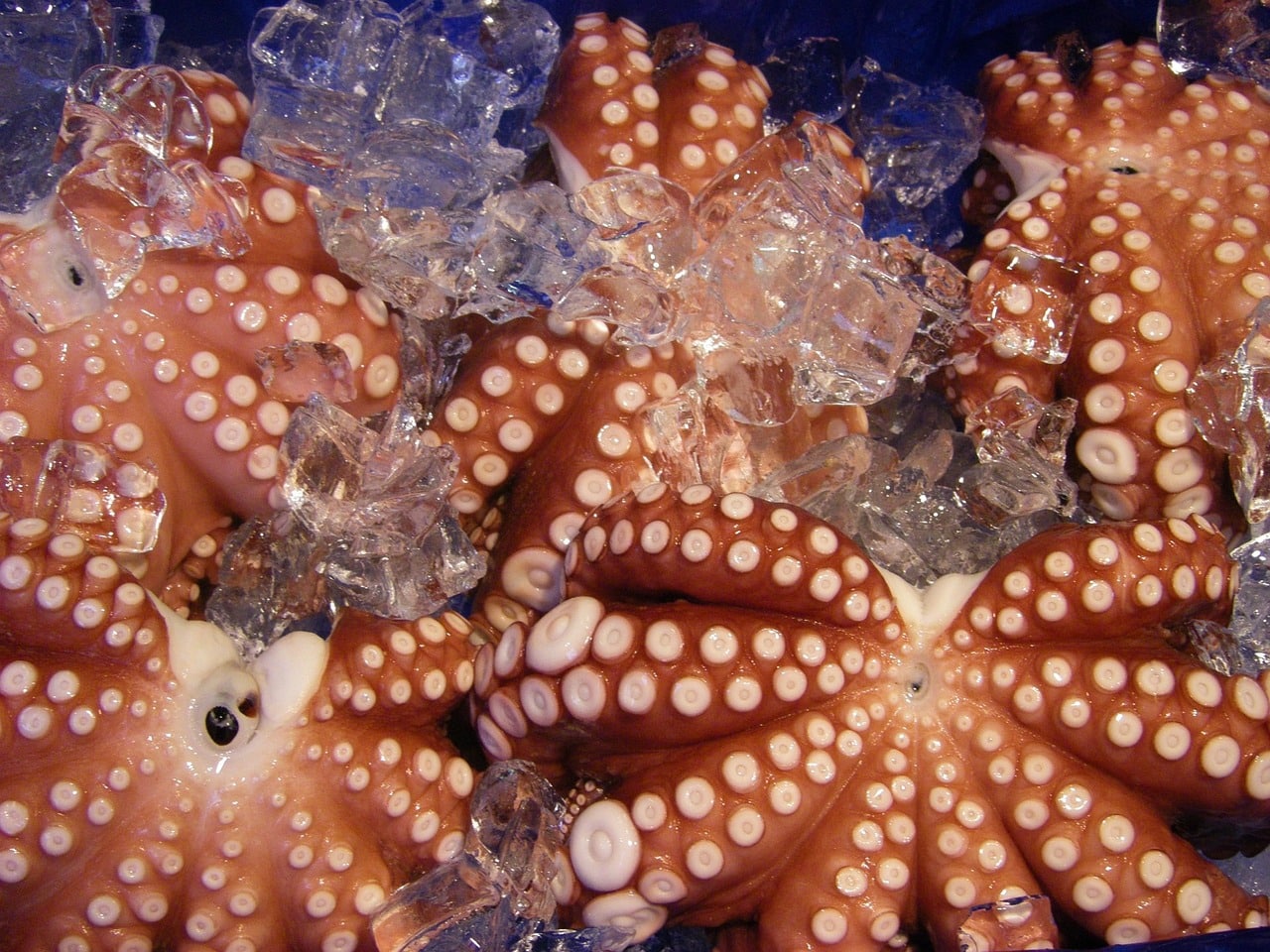
Octopus slaughter methods are also extremely cruel, and include slow, painful deaths via “ice slurry.”
California and Washington Pass Groundbreaking Bills to Ban Octopus Farming
In 2024, Washington State made history by passing House Bill 1153, which prohibits octopus aquaculture statewide. Gov. Jay Inslee signed the bill into law, marking the first legislative ban on octopus farming in the world and a major victory for animals and the environment.
Following Washington’s leadership, California passed its own ban on octopus farming and the sale of farmed octopus, which went into effect in 2025. The law recognizes that octopuses are sentient beings capable of suffering, and it effectively bars the industry from taking hold in the state.
These laws reflect a growing recognition that, if allowed, octopus farming would:
- Force exceptionally intelligent, solitary animals into crowded tanks with no hope of meeting their behavioral needs.
- Create serious environmental risks, including pollution, disease spread, and resource strains due to intensive carnivorous feed requirements.
- Ignite ethical concerns over animal suffering and painful, prolonged slaughter practices.
Is the East Coast Next?
Momentum is building in New York, where lawmakers have introduced bills that would prohibit octopus factory farming in the state.
Mercy For Animals is working alongside a diverse coalition to support this legislation, which would prevent the inhumane, unsustainable industry from taking hold without affecting existing aquaculture operations or jobs.
The bills have advanced through key committees; all that is needed now is a final push to urge New York lawmakers to schedule them for a floor vote before the legislative session concludes in early June.
A Federal Opportunity: The OCTOPUS Act
While state bans are critical, activists and U.S. lawmakers are pushing for nationwide action too. The Opposing the Cultivation and Trade of Octopus Produced Through Unethical Strategies (OCTOPUS) Act, also known as S. 1947, was introduced in the U.S. Senate to prohibit commercial octopus farming across the entire country. The bill would also block imports of farmed octopus products and hold companies accountable for unethical aquaculture practices.
If passed, this federal legislation would stop octopus factory farming before it becomes a reality in the United States, just as state bans have sought to protect these remarkable animals.
Controversial Plans for Canary Islands Octopus Farm
While the U.S. moves to prevent octopus farming, plans to build a massive octopus farm in the Canary Islands (Spain) remain a global concern.
In 2023, Spanish seafood company Nueva Pescanova invested millions of dollars to build what would be the world’s first commercial octopus factory farm in Las Palmas, Gran Canaria, in the Canary Islands. According to the company, the farm would force octopuses to live in extreme confinement and kill a million of them every year by placing them in near-freezing water—a slaughter method known to be especially cruel.
So far, the Canary Islands government has rejected the company’s initial environmental proposal, concluding that it failed to adequately address pollution risks, livestock welfare, ecosystem impacts, and other concerns. The company now needs to submit a more thorough environmental impact assessment to move forward.
What You Can Do
You can be part of the movement to prevent octopus farming from ever becoming a global industry. Here’s how:
- Leave octopuses off your plate. Choosing not to eat octopuses sends a clear message that these animals should not be bred and slaughtered, especially in industrial settings.
- Eat more plant-based foods and encourage others to do the same. Reducing or eliminating your consumption of meat, eggs, and dairy reduces demand for animal products and supports sustainable food systems.
- Add your voice. Vote for animal-friendly legislation whenever possible and reach out to your lawmakers about octopus farming. If you live in New York, urge your legislators to support this important bill.
- Assembly Speaker Carl Heastie
- Phone: 518-455-3791
- Sample Call Script: “Hi, my name is [Your Name], and I’m a New York voter calling to urge Speaker Heastie to bring Assembly Bill A8043C to the floor for a final vote before the session ends. This crucial bill would prevent octopus factory farming from coming to New York. Octopuses are intelligent, solitary animals that would face extreme cruelty in commercial confinement. Can we count on Speaker Heastie to protect these animals and schedule a vote on A8043C?”
- Senate Majority Leader Andrea Stewart-Cousins
- Phone: 518-455-2585
- Sample Call Script: “Hi, my name is [Your Name], and I’m a New York voter calling to urge Majority Leader Stewart-Cousins to bring Senate Bill S7421B to the floor for a final vote before the session ends. This crucial bill would prevent octopus factory farming from coming to New York. Octopuses are incredibly intelligent, solitary animals that would face extreme cruelty in commercial confinement. Can we count on Majority Leader Stewart-Cousins to protect these animals and schedule a vote on S7421B?”
- Assembly Speaker Carl Heastie
- You can also take action to stop the octopus farm in the Canary Islands by signing this petition.
Together, we can help ensure octopuses remain free in our oceans and never confined in factory farms.