For years, I have encouraged my parents and siblings to buy certified organic meat. As the sole vegetarian in the family, it was a comfort to me that organic chicken breasts came from chickens raised with basic welfare standards.
That is why I was so disturbed by the findings of Mercy For Animals’ latest undercover investigation of a North Carolina farm that supplies organic chicken to Costco.
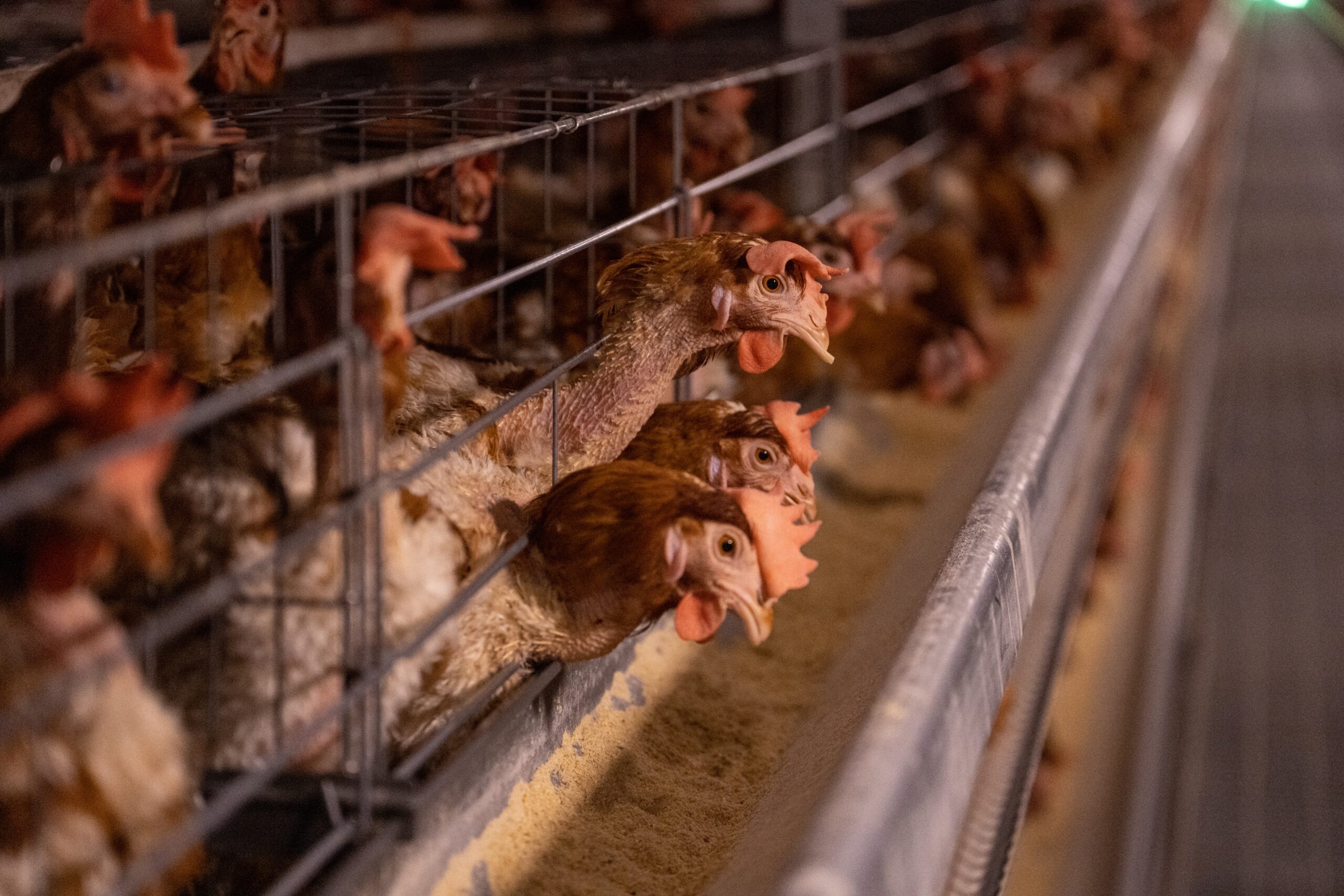
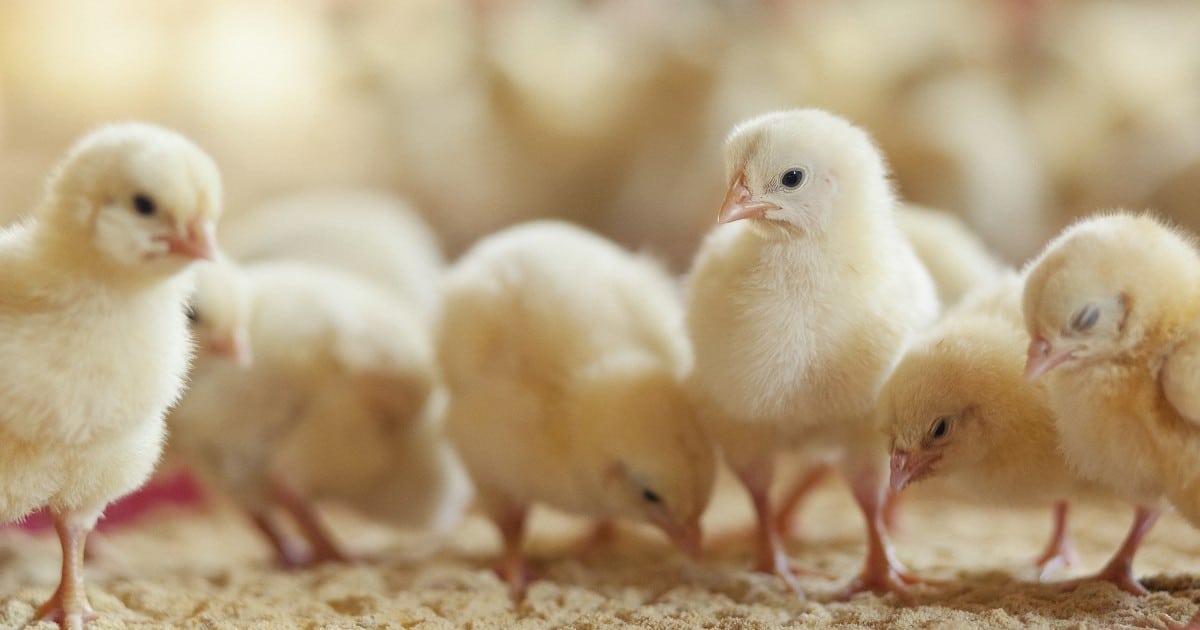
According to Mercy For Animals, investigators witnessed chickens beaten with sticks and left alive in dead piles, baby chicks crushed to death and buried alive while still chirping beneath the compost, and birds collapsing under the weight of bodies bred to grow unnaturally fast. The investigation also documented conditions inconsistent with USDA organic requirements, including denial of outdoor access and inadequate darkness for sleep.
Footage from the investigation also shows glaring biosecurity concerns, including farm managers moving sick and dead birds between barns and failing to follow basic disease-prevention practices. Based on this evidence, Mercy For Animals, an animal welfare nonprofit, has filed a criminal complaint with Lee County law enforcement and with the USDA.
These findings should concern every North Carolinian, regardless of their views on animal agriculture. While my family and I may have different diets, none of us believe that chickens should be beaten with sticks and buried alive. Most readers would agree.
This investigation is not about one farm or one worker.
It is about what North Carolinians should expect from meat carrying the USDA organic seal. My family chose to buy organic products because we believed those labels represented higher standards. They should not be hiding cruelty.
None of this is a broad indictment of North Carolina agriculture.
On the contrary, it is an opportunity to strengthen it.
North Carolina’s farmers, consumers, and communities all benefit when oversight works, standards are enforced, and companies are held accountable for the claims they make. Transparency protects responsible producers, strengthens consumer confidence, and helps ensure the state’s agricultural reputation reflects the values of integrity and stewardship that so many producers uphold every day.
This marks the second time in five years that Mercy For Animals has documented serious animal abuse connected to Costco’s chicken supply chain. Following a widely publicized 2021 investigation, Costco publicly promised reforms. Yet years later, investigators documented horrific suffering once again.
Companies like Costco should implement meaningful, enforceable animal welfare standards that prevent this kind of suffering from happening again.
Readers who want to help encourage greater transparency and accountability can learn more and take action at CostcoExposed.com.
Kate Harrison is a second-year student at Haverford College and a native of Charlotte, North Carolina. A dedicated advocate for climate action and animal protection, she actively supports local environmental initiatives with TreesCharlotte and volunteers with Mercy For Animals.