According to CNN, the U.S. Centers for Disease
Control and Prevention said Wednesday that “92 people in 29 states have been infected with a strain
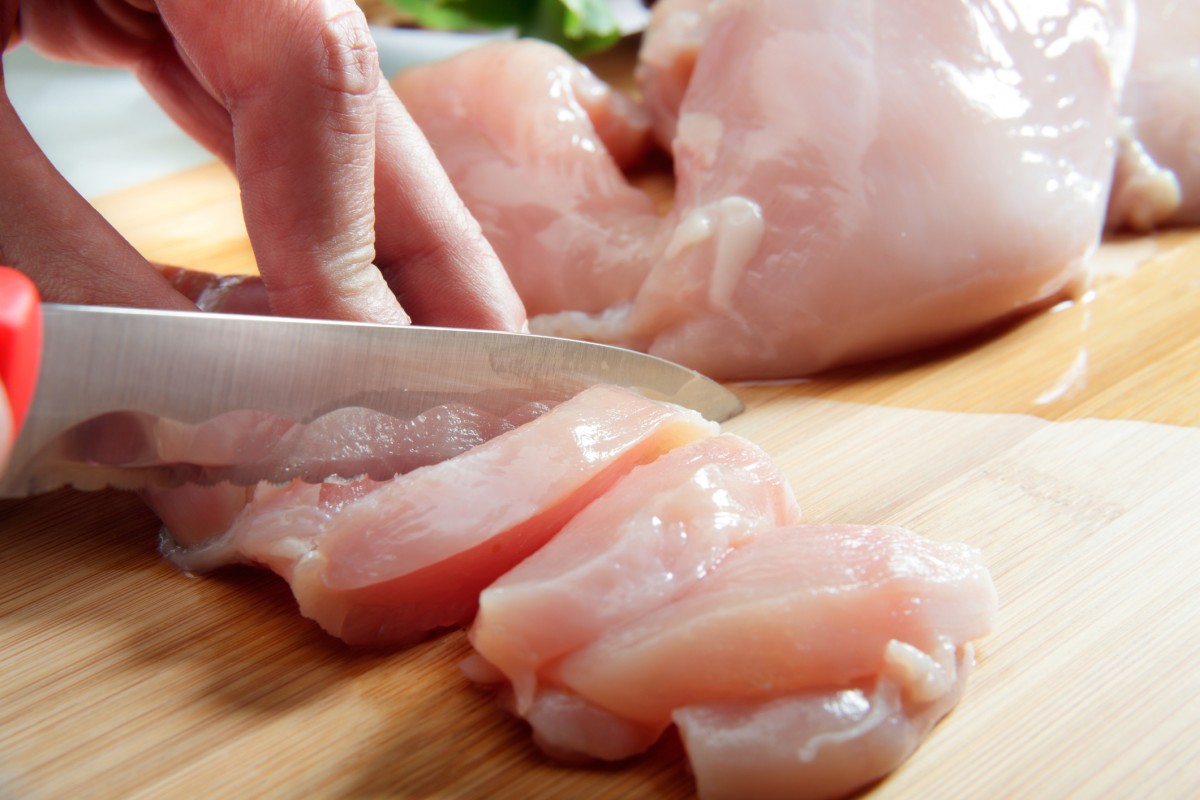
of multidrug-resistant salmonella after coming into contact with a
variety of raw chicken products.
Control and Prevention said Wednesday that “92 people in 29 states have been infected with a strain
of multidrug-resistant salmonella after coming into contact with a
variety of raw chicken products.
While no deaths have been reported, 21 people
have been hospitalized. The raw chicken has not been traced to a single common
supplier, but the strain has turned up in samples from a number of raw chicken
products, such as “pet food, chicken pieces, ground pieces and whole chickens,
as well as in live chickens.
have been hospitalized. The raw chicken has not been traced to a single common
supplier, but the strain has turned up in samples from a number of raw chicken
products, such as “pet food, chicken pieces, ground pieces and whole chickens,
as well as in live chickens.
What makes this salmonella outbreak truly
terrifying is that this strain is resistant to multiple antibiotics, the usual
form of treatment. Symptoms of this salmonella strain include stomach pain,
cramps, diarrhea, and a high fever 12 to 72 hours after exposure.
terrifying is that this strain is resistant to multiple antibiotics, the usual
form of treatment. Symptoms of this salmonella strain include stomach pain,
cramps, diarrhea, and a high fever 12 to 72 hours after exposure.
From salmonella to E. coli, dangerous
pathogens lurk in nearly all meat. In fact, around 25 percent of cut-up chicken
meat and about 50 percent of ground chicken sold in stores is contaminated with salmonella.
pathogens lurk in nearly all meat. In fact, around 25 percent of cut-up chicken
meat and about 50 percent of ground chicken sold in stores is contaminated with salmonella.
Earlier this year, a 37-year-old mother and amateur triathlete died from
foodborne illness on a family vacation after eating just a few bites
of undercooked chicken.
foodborne illness on a family vacation after eating just a few bites
of undercooked chicken.
But salmonella isn’t just found in chicken.
According to the FDA, seafood imports from China—around 27 percent of the seafood consumed by Americans—are
frequently contaminated. Additionally, salmonella cases involving pork and beef are
on the rise. In fact, overall salmonella infection rates have risen 44 percent
in just the past decade.
According to the FDA, seafood imports from China—around 27 percent of the seafood consumed by Americans—are
frequently contaminated. Additionally, salmonella cases involving pork and beef are
on the rise. In fact, overall salmonella infection rates have risen 44 percent
in just the past decade.
Aside from salmonella and E. coli, quite a few
other harmful bacteria and viruses commonly contaminate meat, including vibrio, listeria, shigella, and campylobacter.
A recent analysis found that nearly 60 percent of U.K.-produced chickens tested
positive for campylobacter.
other harmful bacteria and viruses commonly contaminate meat, including vibrio, listeria, shigella, and campylobacter.
A recent analysis found that nearly 60 percent of U.K.-produced chickens tested
positive for campylobacter.
But why does meat harbor potentially deadly
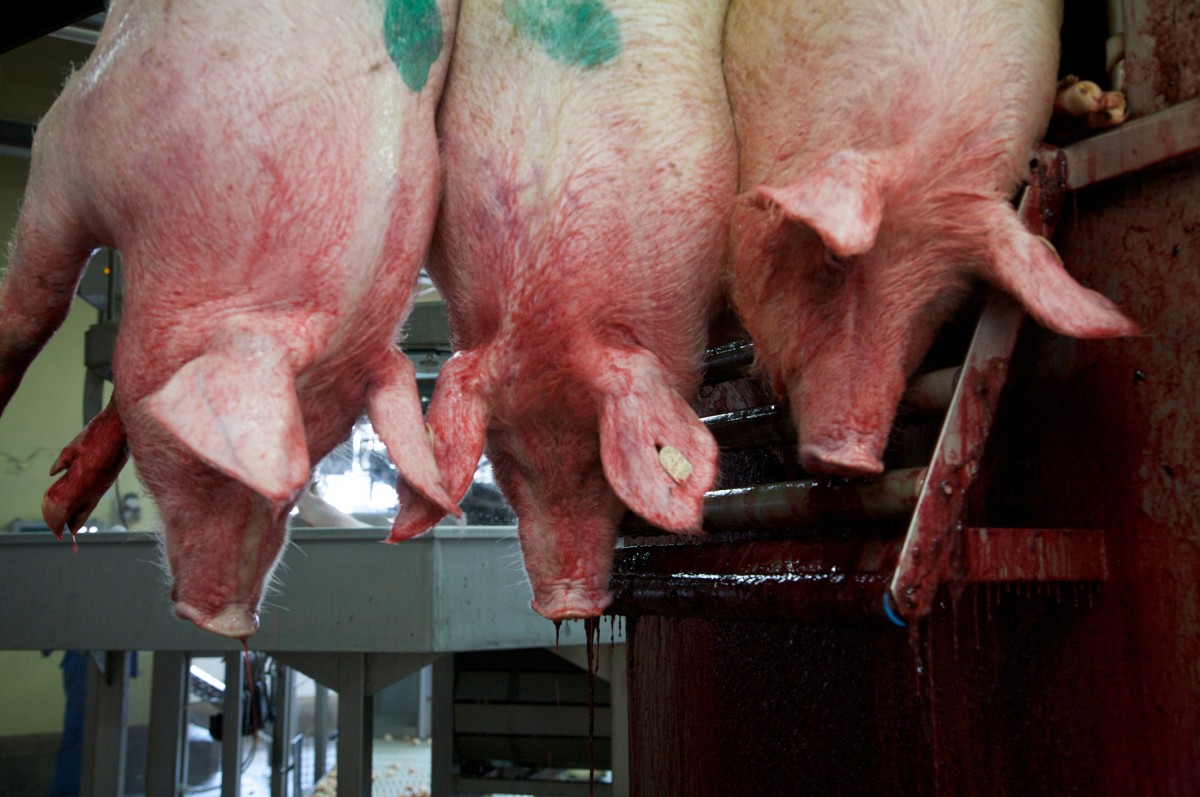
bacteria and viruses? One reason is that it’s covered in fecal matter. The USDA
reported that 90 percent of defects discovered in chicken carcasses at
slaughter plants involved “visible fecal contamination that was missed by company
employees. And a recent report in the Netherlands found that
instances of fecal matter on meat and equipment at slaughterhouses
had doubled over the past year.
bacteria and viruses? One reason is that it’s covered in fecal matter. The USDA
reported that 90 percent of defects discovered in chicken carcasses at
slaughter plants involved “visible fecal contamination that was missed by company
employees. And a recent report in the Netherlands found that
instances of fecal matter on meat and equipment at slaughterhouses
had doubled over the past year.
Meat contains fecal matter because factory
farms are filthy and crowded with animals who are often sick and covered in waste.
farms are filthy and crowded with animals who are often sick and covered in waste.
What’s worse, animals raised and killed for
food are subjected to unthinkable cruelties: tiny,
filthy cages; horrific mutilations; and violent slaughter.
food are subjected to unthinkable cruelties: tiny,
filthy cages; horrific mutilations; and violent slaughter.
Sadly, no federal law protects animals during their
lives at factory farms. And the law that’s supposed to protect animals at the
slaughterhouse, the Humane Methods of Slaughter Act, doesn’t extend to birds,
leaving them with virtually no protection from abuse.
lives at factory farms. And the law that’s supposed to protect animals at the
slaughterhouse, the Humane Methods of Slaughter Act, doesn’t extend to birds,
leaving them with virtually no protection from abuse.
Fortunately, you can shield your family and
yourself from potentially deadly foodborne illnesses simply by choosing a
healthy and compassionate vegan diet.
yourself from potentially deadly foodborne illnesses simply by choosing a
healthy and compassionate vegan diet.
Order your FREE Vegetarian Starter Guide today. And check
out our Pinterest page for thousands of recipe ideas!