Mercy For Animals just launched a new campaign calling on one of the biggest foodservice names in sports and entertainment, Delaware North, to commit to adding more plant-based options to their menus at all U.S. locations.
Delaware North is the fourth-largest foodservice provider in the United States, so you have likely encountered them during your adventures—waiting for a flight at the airport, watching a baseball game at a stadium this summer, cheering at a hockey arena, or strolling through a national park. Delaware North serves food to millions of customers across nearly 200 venues in the country. But their menus drop the ball on offering items that are kind to animals and the planet.
A Swing and a Miss
Delaware North makes bold sustainability claims about GreenPath, their environmental stewardship program for reducing their environmental impact:
Our environmental management program—GreenPath®—guides us as environmental stewards as we contribute to building a healthy planet for future generations. To minimize the impact of our operations, we establish goals and implement improvements focused on sourcing responsibly, eliminating waste, conserving water and reducing energy consumption.
Unfortunately, the program fails to address a key sustainability issue: animal agriculture. This omission is striking given the extensive evidence that animal agriculture is a leading contributor to many of the world’s most pressing ecological concerns, with detrimental impacts on the environment, communities, and—of course—animals. Delaware North is doing a disservice to the planet, animals, and their customers by failing to incorporate plant-based foods into their GreenPath program.
Food Facts:
- According to the United Nations, animal agriculture is responsible for 14.5% of human-caused global greenhouse gas emissions.
- Animal agriculture requires huge amounts of land and water to grow crops to feed animals rather than feeding people directly. For every 100 calories fed to animals in the form of human-edible crops, we get only about 40 calories from milk, 22 from eggs, 12 from chicken, 10 from pork, or three from beef. Every 100 grams of grain protein fed to animals yields roughly 43 grams of protein from milk, 35 from eggs, 40 from chicken, 10 from pork, or five from beef.
- Compared with oat milk, cows’ milk production generates three times more greenhouse gas, takes up 11 times more land, and uses 13 times more fresh water.
- Roughly 80% of agricultural land is used to produce meat, dairy, and eggs, but animal products provide only 37% of the global protein supply and 18% of our calories.
Reducing their reliance on animal foods would be an incredibly effective way for Delaware North to step into the sustainability leadership role the company aspires to fill.
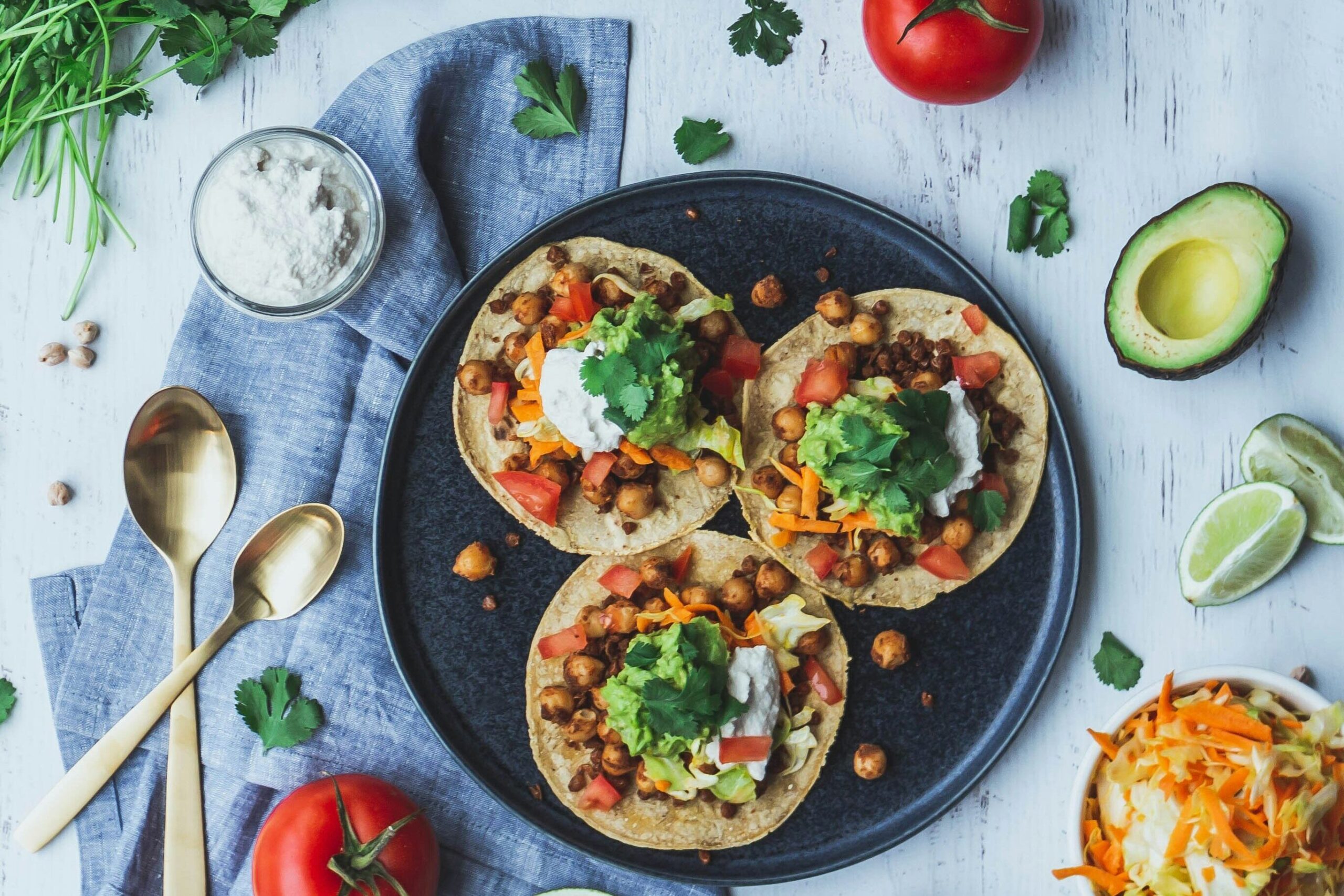
Not on Par with the Competition
One of Delaware North’s largest competitors in the national park space, Xanterra, has committed to making at least 50% of the menu entrées they offer plant-based by the end of 2026. Xanterra serves over three million guests per year across U.S. national parks, making their commitment one of the largest plant-based food initiatives in the public tourism sector.
By following Xanterra’s lead and pledging to prioritize animal-free foods, Delaware North would be making an important play toward a future where plants are on the menu and animals are free. Sadly, the leadership lineup at Delaware North, including co–CEO brothers Charlie, Jerry, and Lou Jacobs, has refused to make public progress on this important initiative.
Call Out Delaware North
Join Mercy For Animals in urging Delaware North to add a plant-based menu commitment to their sustainability goals for all U.S. locations. Take action at DelawareNorthCEOs.com, and let Delaware North’s CEOs hear from you today!