According to MSN,
a new report by the International Joint Commission (IJC) found that the Great
Lakes need more protection from factory farm runoff.
a new report by the International Joint Commission (IJC) found that the Great
Lakes need more protection from factory farm runoff.
The IJC, an organization responsible for preventing and
resolving disputes regarding lakes and rivers along the Canada-United States
border, stated that voluntary measures to protect the world’s largest
freshwater lakes from animal excrement have been insufficient.
resolving disputes regarding lakes and rivers along the Canada-United States
border, stated that voluntary measures to protect the world’s largest
freshwater lakes from animal excrement have been insufficient.
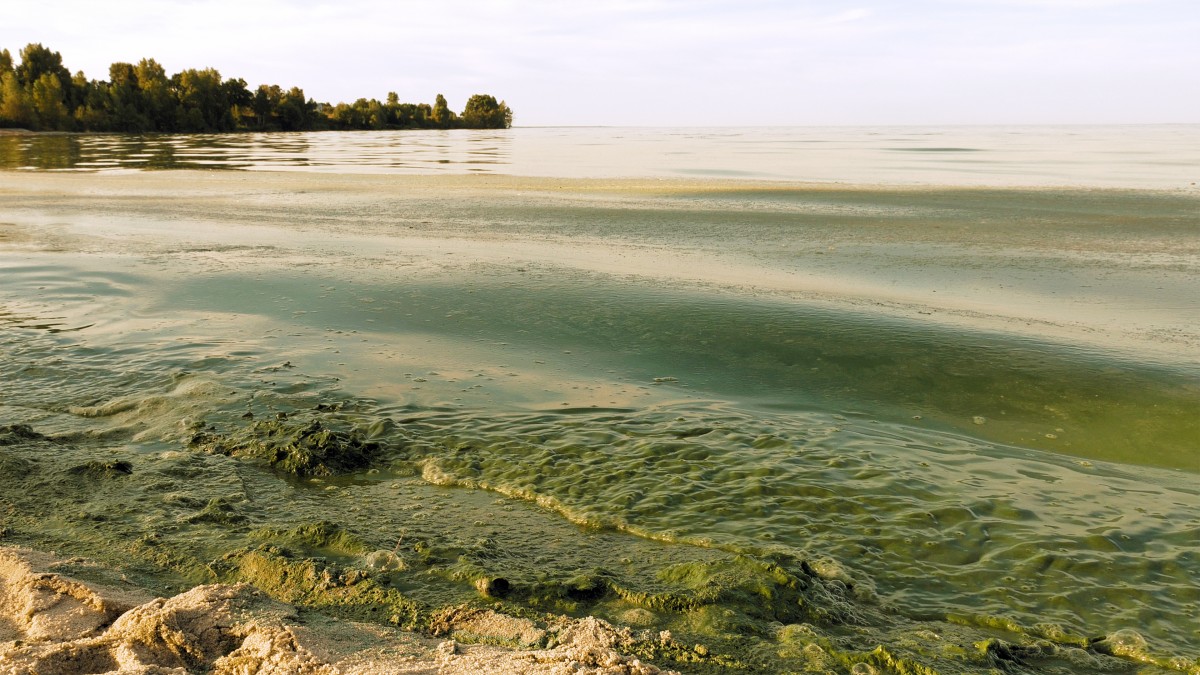
The report found the problem to be most pronounced in Lake
Erie, where algae growth is out of control and has created areas where oxygen
levels are so low that no plant or animal life can survive, also
known as “dead zones.
Erie, where algae growth is out of control and has created areas where oxygen
levels are so low that no plant or animal life can survive, also
known as “dead zones.
The report states:
A major source of nutrient inputs
to the western Lake Erie basin is concentrated animal feeding operations
(CAFOs). These are livestock confinement facilities that house large quantities
of animals, generating significant quantities of animal waste.
The algae growth is attributed to phosphorus-rich animal
waste that runs off into waterways. This runoff also contaminates drinking
water for the more than 40 million people who rely on the lakes.
waste that runs off into waterways. This runoff also contaminates drinking
water for the more than 40 million people who rely on the lakes.
To fight these problems, the IJC recommends that both
Canadian and U.S. governments put legislation in place specifically to protect
the Great Lakes.
Canadian and U.S. governments put legislation in place specifically to protect
the Great Lakes.
This isn’t the first time pollution of the Great Lakes has
been attributed to animal agriculture. A 2014 article in The Guardian highlights the spread
of dangerous phosphorus algal blooms in Lake Erie that left hundreds of
thousands of Ohio residents without safe drinking water. What’s more, animal
excrement and other agricultural runoff from large-scale farms have polluted
nearly one-third of rivers in the U.S.
To make matters worse, animals on factory farms are treated
as mere machines. Undercover investigations on farms around the country have
revealed a culture of cruelty: animals intensively
confined, painfully mutilated, and brutally slaughtered.
as mere machines. Undercover investigations on farms around the country have
revealed a culture of cruelty: animals intensively
confined, painfully mutilated, and brutally slaughtered.
Take a stand and fight for animals and the planet by leaving
meat and other animal products off your plate.
meat and other animal products off your plate.
Get your FREE Vegetarian Starter Guide here.