Scientists in China have created three “super cows” by cloning cows who produce unusually large amounts of milk.
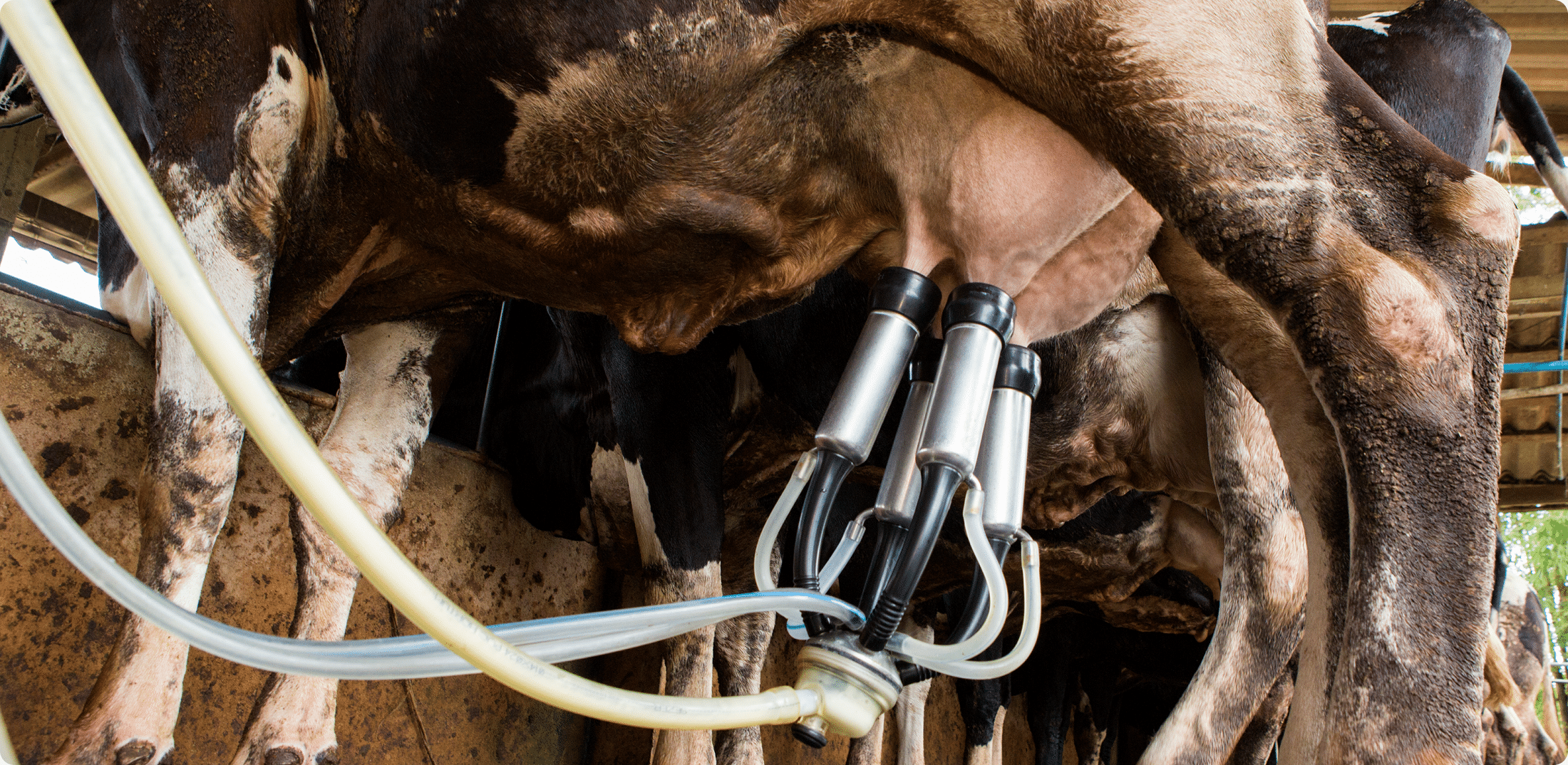
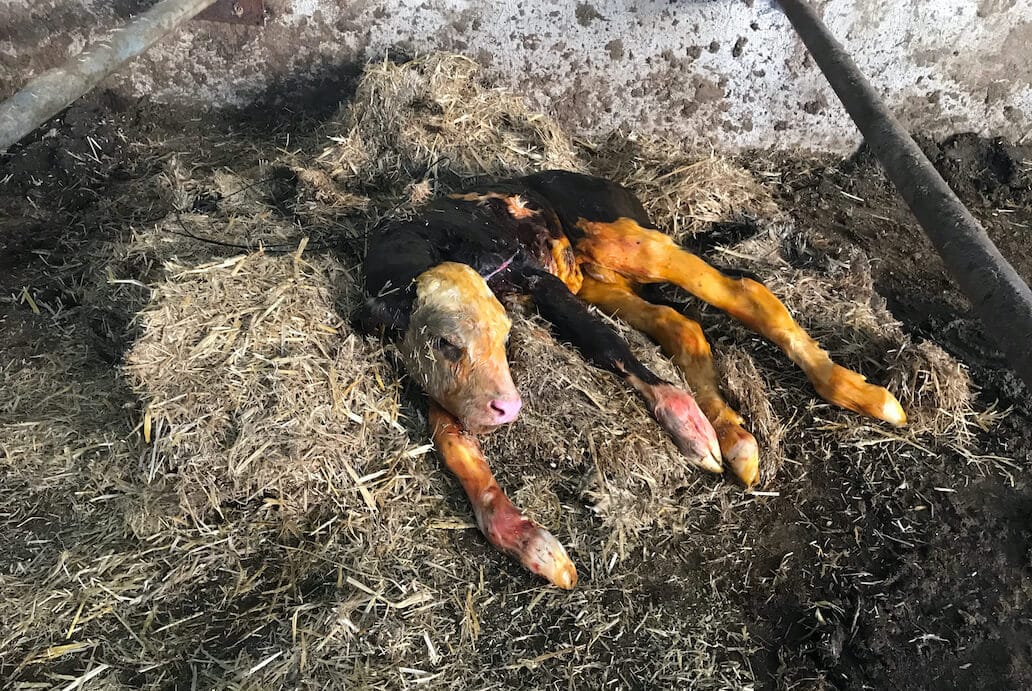
To create their “super cows,” scientists cloned embryos from ear cells of “extra productive” Holstein Friesian cows and implanted them in surrogate cows. The “productive” cows selected for cloning produce a mind-boggling 18 tons of milk per year—nearly 1.7 times the amount from an average cow used for dairy in the United States. The first of the three calves weighed 120 pounds and was born via C-section due to her size.
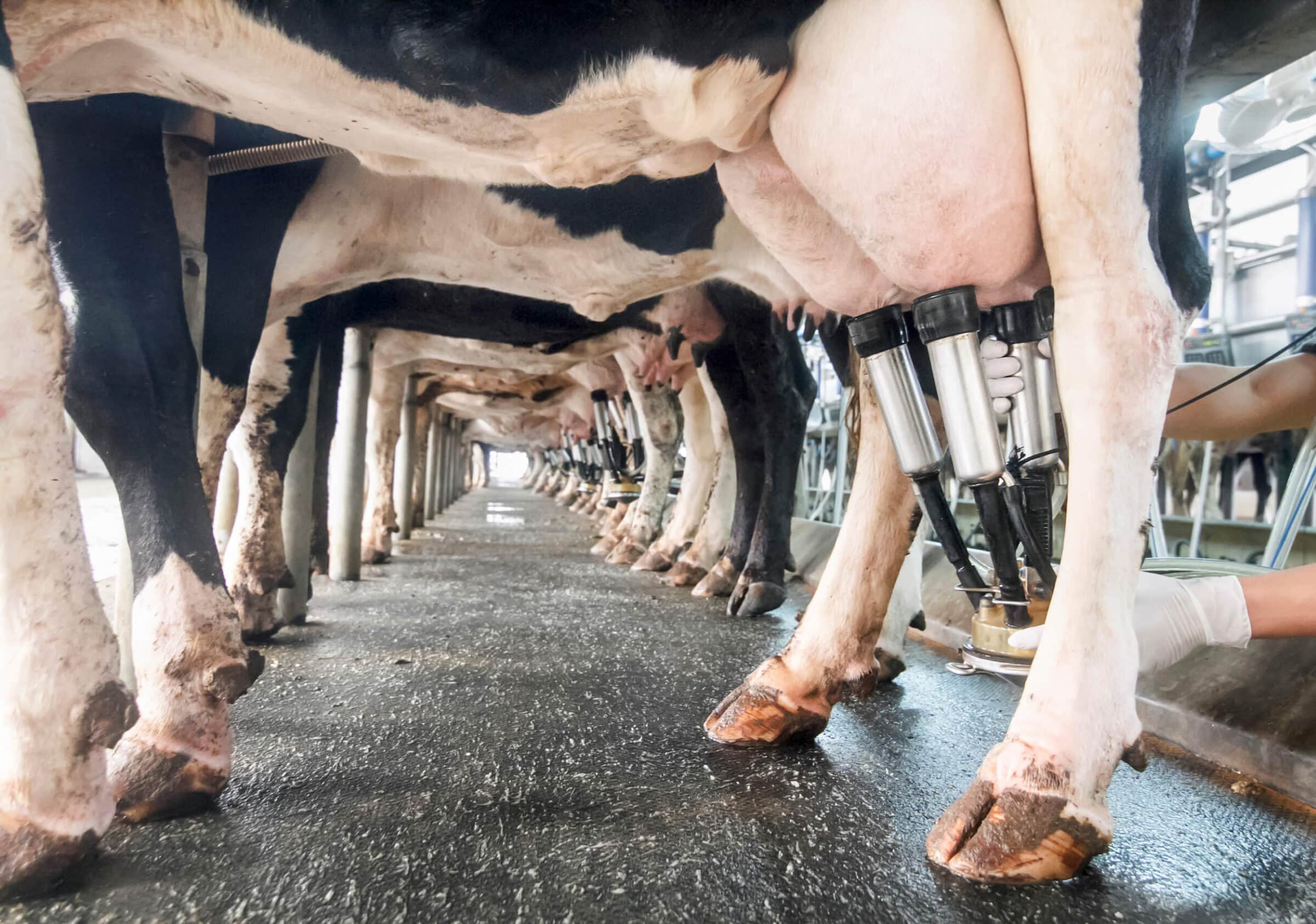
The animal agriculture industry is known for genetically manipulating farmed animals to be as useful to humans as possible—often with little regard for the well-being of the animals themselves. Dairy farmers first began the selective breeding of cows through artificial insemination in 1938. In the past five decades, the amount of milk that cows produce has more than doubled. This intense focus on milk production has harmed cows’ fertility, life expectancy, environmental sensitivity, and overall health. Modern cows are also more likely to suffer from mastitis, a painful disease characterized by inflamed udders.
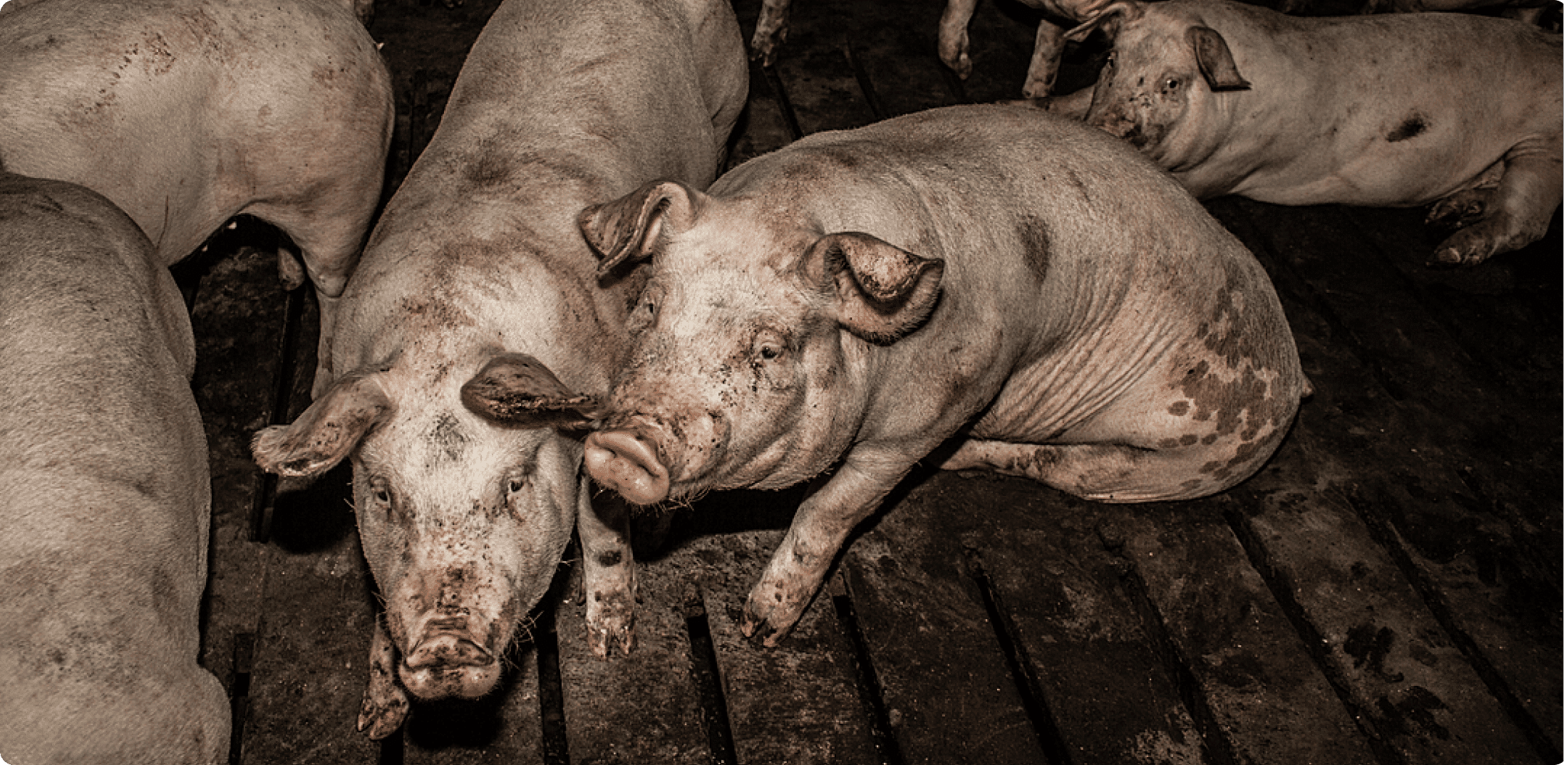
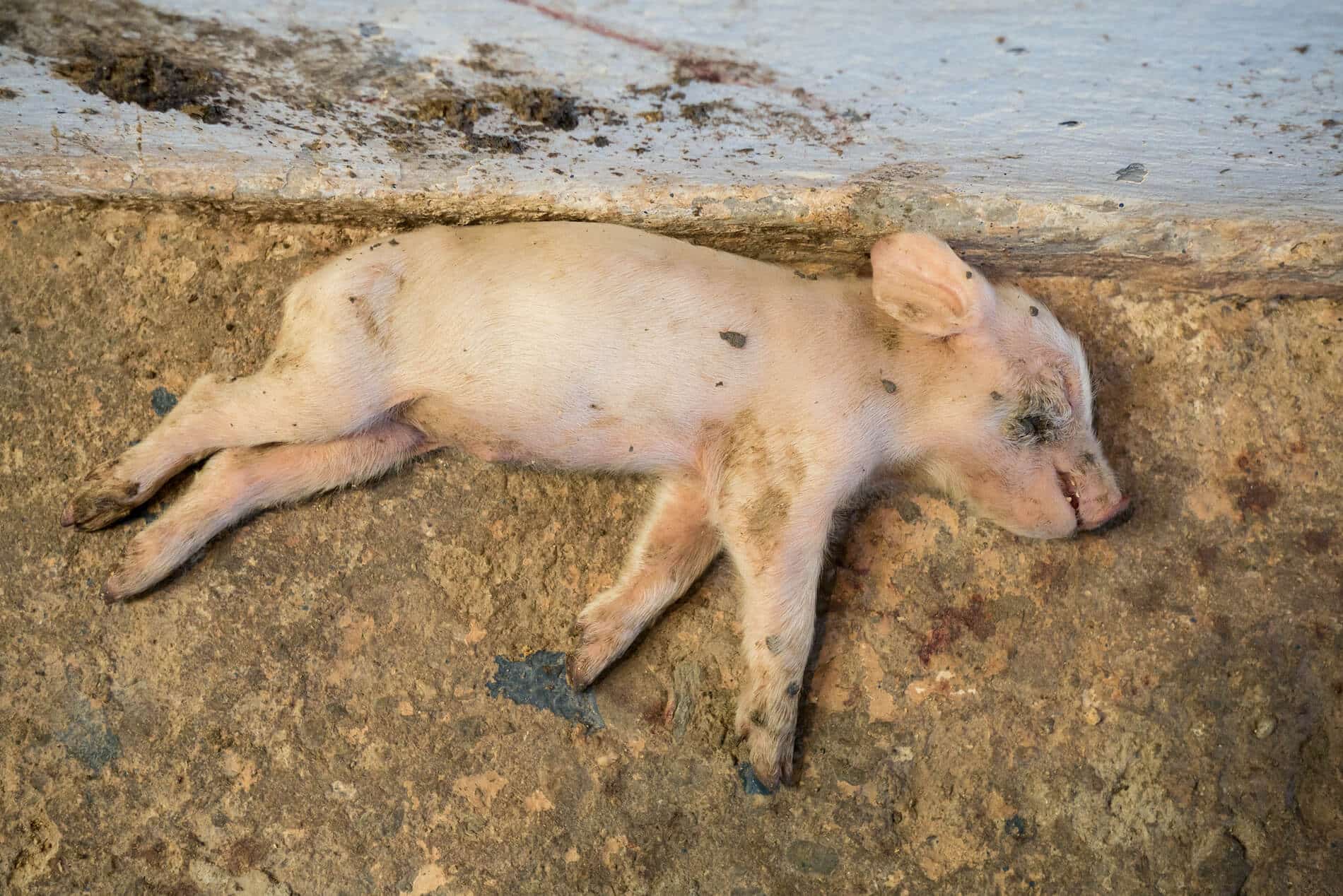
Because of inbreeding and selective breeding for growth and productivity, cows and pigs often suffer from genetic defects. These include malformed calves and piglets who either are miscarried or die shortly after birth. Lameness is a serious issue as well, as many pigs are born with leg deformities. Pigs at factory farms also suffer from muscle disorders, heart disease, and more.
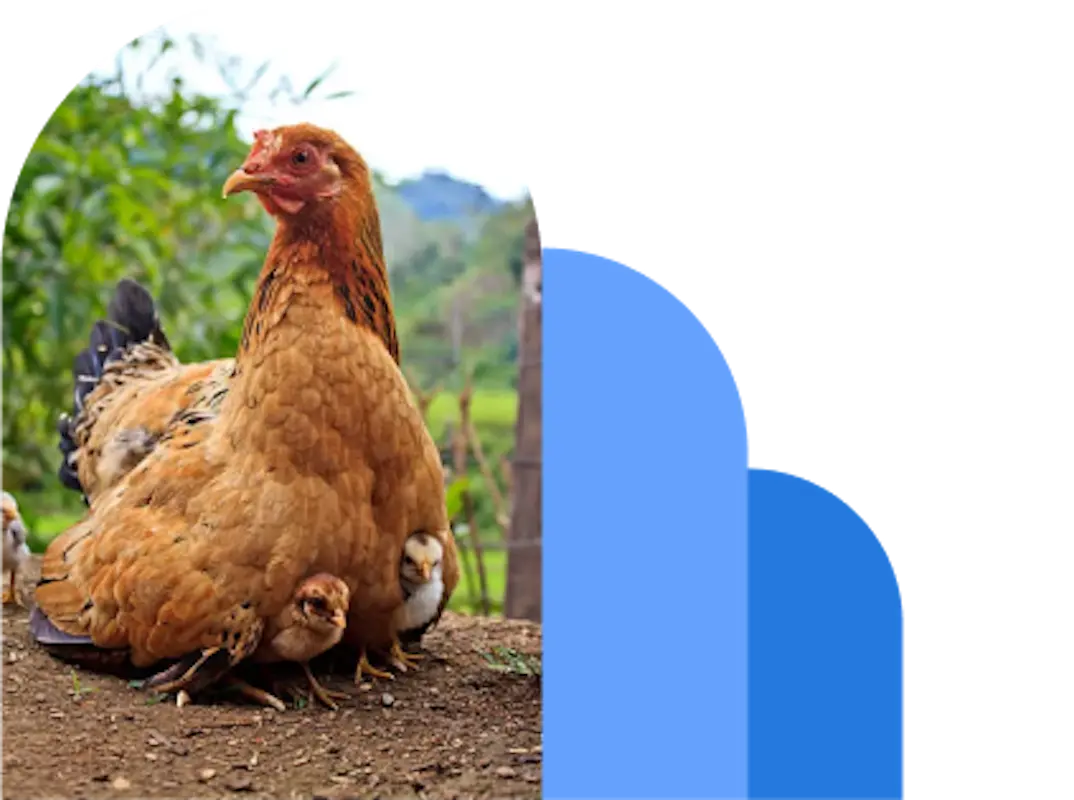
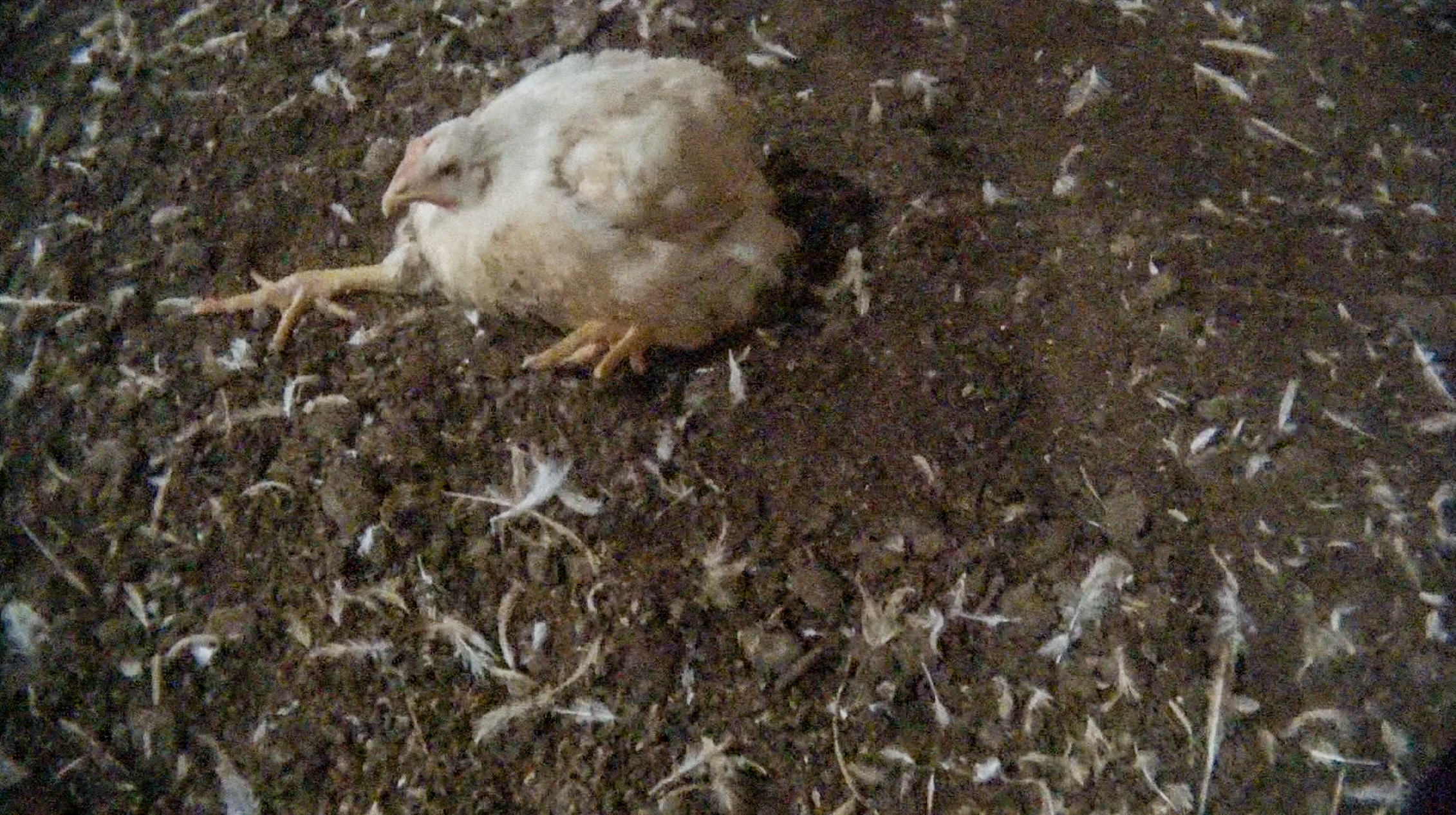
Chickens endure some of the worst effects of selective breeding. The meat industry breeds chickens to grow unnaturally large and quickly so they reach “kill weight” in just 47 days. Putting on an abnormal amount of weight in such a short time causes the chickens to suffer a host of painful ailments. Often, their legs give out, and they are forced to lie on waste-soaked litter. Because of this, chickens commonly suffer from burns and blisters on their bellies. Many animals slowly die because they can’t even stand up to reach food and water.
By adding cloning to the mix, the meat industry is only expanding the ways in which farmed animals are born to suffer. We can all stand up to this abusive industry simply by eating more plant-based foods. Download our FREE How to Eat Veg guide to learn how.