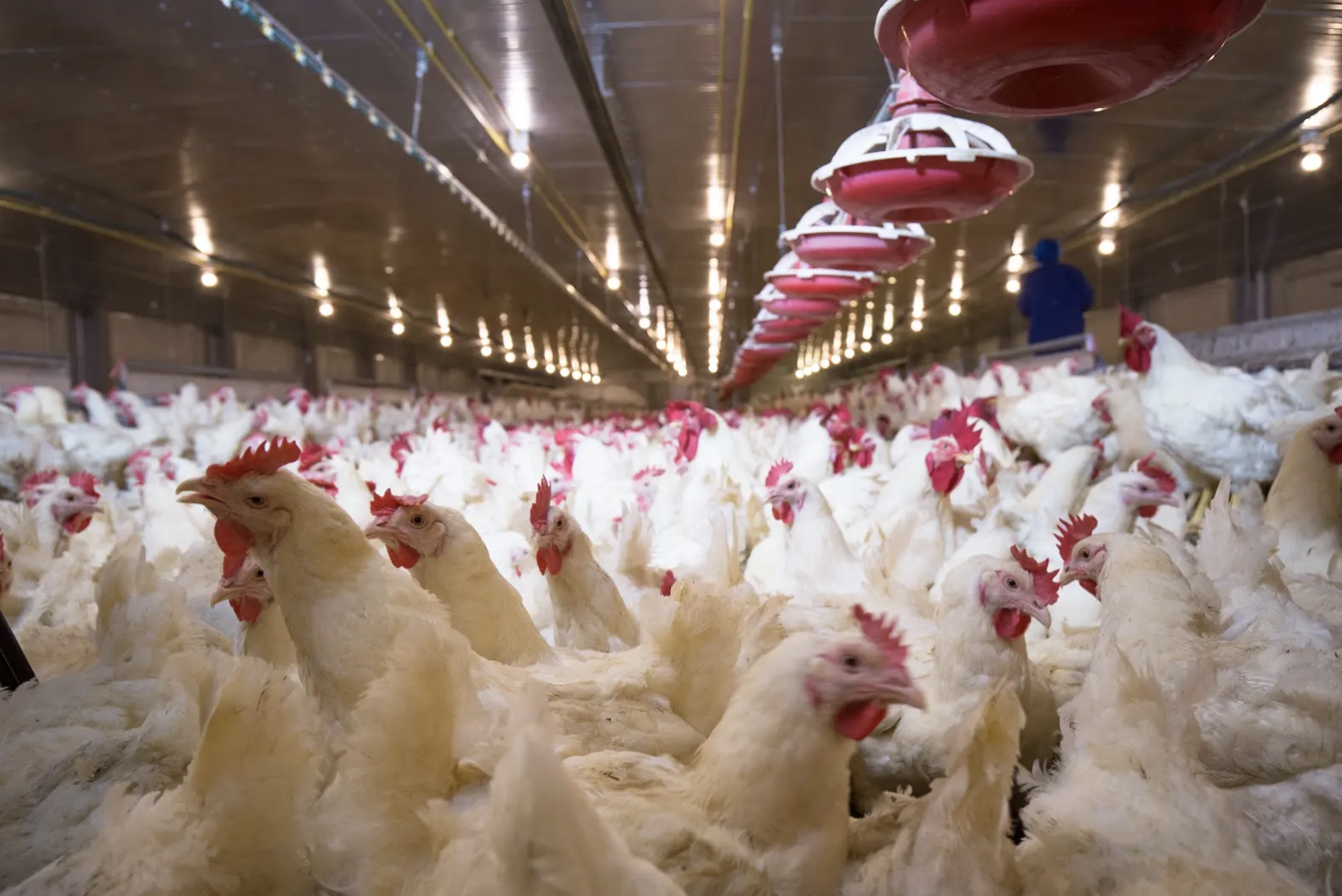
Image: Typical Factory Farm | We Animals | Bear Witness Australia
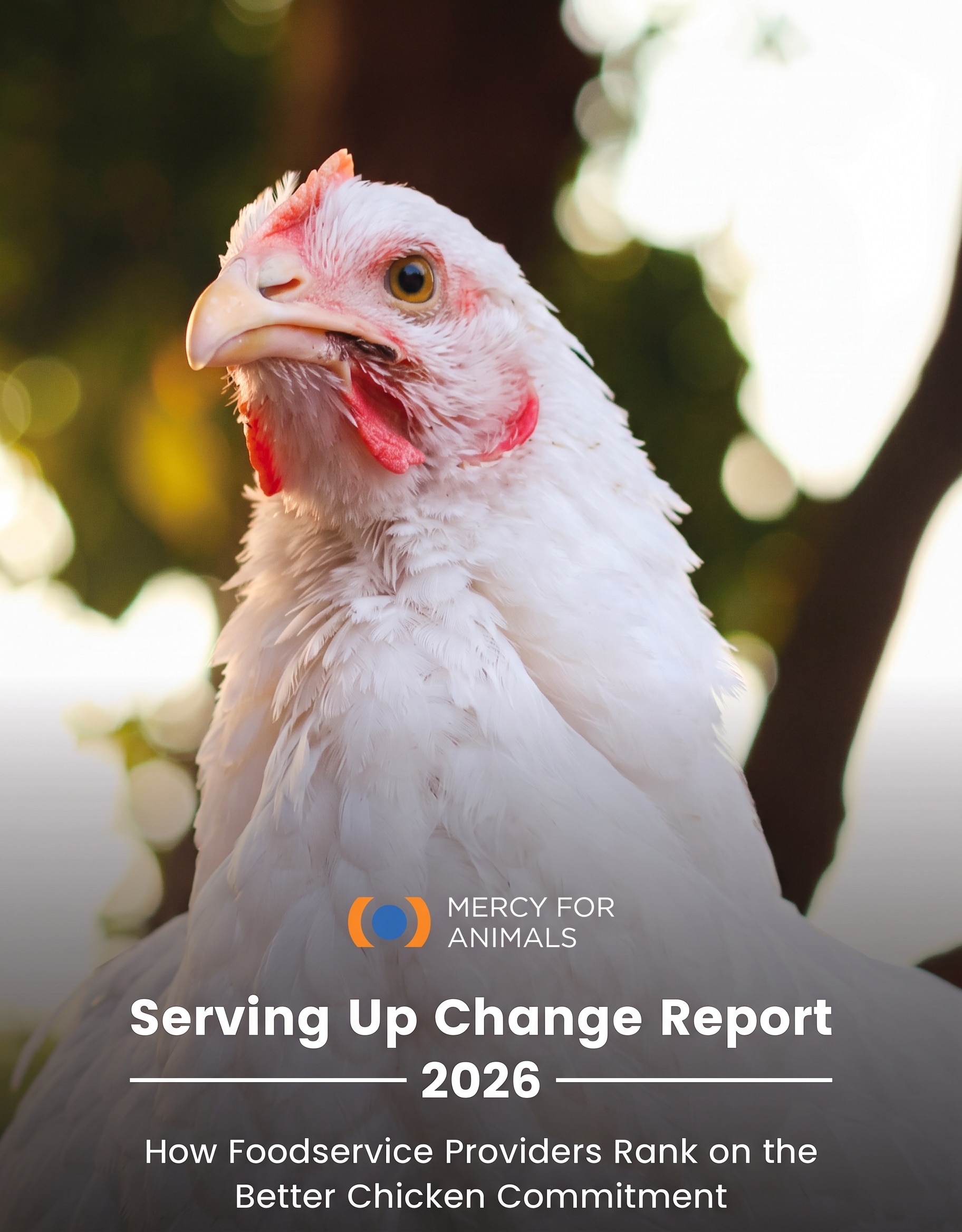
The second edition of the Serving Up Change report is out now! See which foodservice providers are stepping up to reduce animal suffering and which are choosing profit over welfare.
From hospitals to K-12 schools, the foodservice provider (FSP) sector is the hidden engine supplying meals to millions across North American institutions every day. Valued at $78.5 billion and on track to reach $110 billion by 2030, the FSP sector largely operates out of the public eye. Yet, its influence is staggering, shaping the lives of billions of chickens trapped in factory farms that perpetuate the industry’s most severe forms of cruelty.
As key players in a multibillion-dollar industry, FSPs wield enormous purchasing power and influence over the conditions in which chickens are raised for food. Whether they take the necessary steps to improve chicken welfare standards is a question of ethics rather than capability.
The Troubling Reality of the FSP Sector
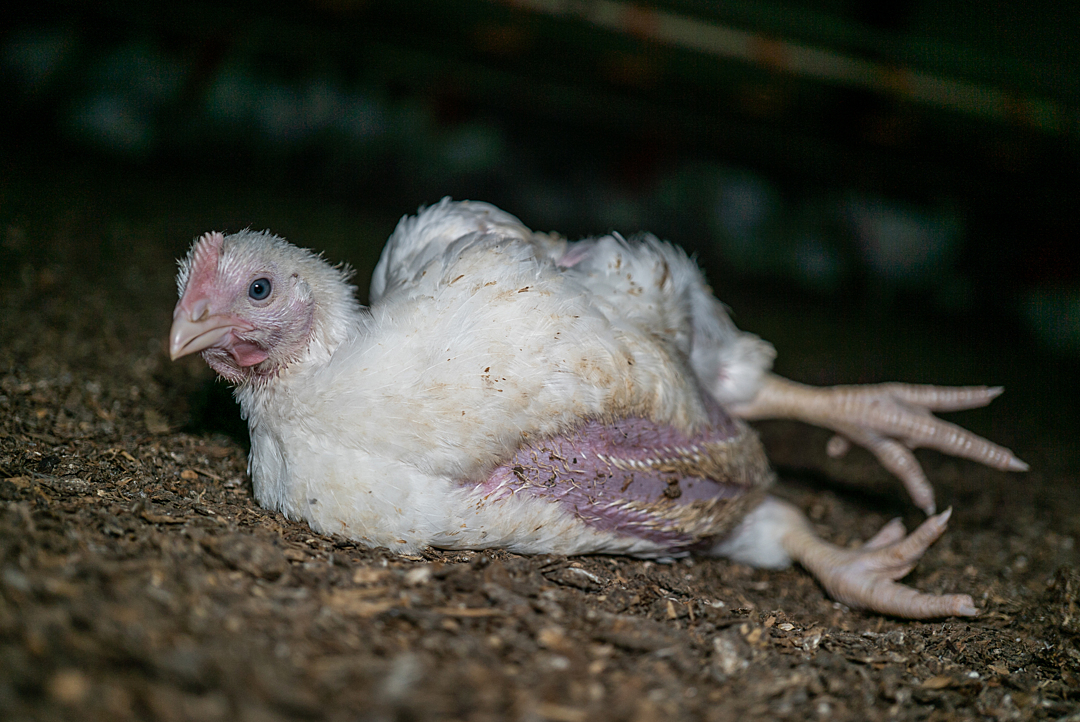
The daily reality for 99% of the 9 billion chickens raised for meat in the U.S. each year may be hidden from public view, but the cruelty they endure in factory farms is undeniable. Most chickens raised for meat are bred to grow at unnaturally fast rates, leaving them vulnerable to crippling lameness, muscle disease and heart failure. Confined in crowded, high-stress environments, many birds struggle to walk to reach food and water, often collapsing under their own weight.
While some FSPs take meaningful action to reduce suffering for chickens in their supply chains, many choose to ignore it, prioritizing their bottom line over the welfare of the animals in their care.

That is why, for the second time, Mercy For Animals is shining a light on this gap in our Serving Up Change Report, examining which FSPs are working to improve the lives of chickens and which are falling behind on animal welfare.
Our Report’s Findings
Compass Group, Aramark and Sodexo provide food to places like Wrigley Field, Arizona State University and American Airlines. They’re referred to as the “Big Three” in the second edition of the Serving Up Change Report, and collectively generate $56 billion in revenue, holding immense influence over chicken sourcing practices. The report takes a closer look at their progress, or lack thereof, and heightened responsibility to act on their chicken welfare commitments.
The remaining 24 FSPs are assessed according to their individual ability to drive change, with some, like HHS and Lessing’s, making meaningful progress while others, like Thomas Cuisine and Genuine Foods, continue to fall short.
The Path Toward Progress
Regardless of a company’s size or influence, meaningful progress on chicken welfare is achievable. However, this requires FSPs to take intentional action paired with public transparency about progress, plateaus and setbacks.
Take Action Today!
The FSPs highlighted in this report have the ability to improve the lives of billions of chickens and so do you.
Visit ServingUpChange.org to see how FSPs serving your local schools, hospitals, airports and venues rank on chicken welfare. Then urge poor performers to take the necessary steps to improve their chicken welfare standards.