According to a recent study published in the
scientific journal Plos One,
taxing
meat could save the world billions of dollars in healthcare costs and dramatically
decrease death rates.
scientific journal Plos One,
taxing
meat could save the world billions of dollars in healthcare costs and dramatically
decrease death rates.
Researchers revealed that a 20 percent tax on
unprocessed red meat and a 110 percent tax on processed red meat, such as bacon
and sausages, in wealthier nations and a lower tax in poorer nations would
offset annual healthcare costs related to meat consumption in 149 countries. Such
taxation would result in an annual savings of $170 billion and has the
potential to save 220,000 lives worldwide each year.
unprocessed red meat and a 110 percent tax on processed red meat, such as bacon
and sausages, in wealthier nations and a lower tax in poorer nations would
offset annual healthcare costs related to meat consumption in 149 countries. Such
taxation would result in an annual savings of $170 billion and has the
potential to save 220,000 lives worldwide each year.
Specifically, taxing these items—classified
as carcinogenic by the World Health Organization—would decrease the amount
of processed meat consumed by affluent nations from an average of one portion
per day to two portions per week, leading to an annual savings of $41 billion
in healthcare costs.
as carcinogenic by the World Health Organization—would decrease the amount
of processed meat consumed by affluent nations from an average of one portion
per day to two portions per week, leading to an annual savings of $41 billion
in healthcare costs.
The study also found that the United States
would have to levy a 163 percent tax on processed red meat and a 34 percent tax
on unprocessed red meat to recover healthcare costs.
would have to levy a 163 percent tax on processed red meat and a 34 percent tax
on unprocessed red meat to recover healthcare costs.
“Nobody wants governments to tell people what
they can and can’t eat, Marco Springmann, lead researcher of the study at the
University of Oxford, told The Guardian.
“It is totally fine if you want to have [red meat], but this personal
consumption decision really puts a strain on public funds. It is not about
taking something away from people, it is about being fair.
they can and can’t eat, Marco Springmann, lead researcher of the study at the
University of Oxford, told The Guardian.
“It is totally fine if you want to have [red meat], but this personal
consumption decision really puts a strain on public funds. It is not about
taking something away from people, it is about being fair.
It makes perfect sense to tax meat. Raising and killing animals for food is destroying our
planet and meat consumption kills millions of people each year and
costs billions in healthcare expenses. By taxing animal products as
so many governments already do other harmful products, like cigarettes, we
could decrease consumption and save lives, money, and the planet.
planet and meat consumption kills millions of people each year and
costs billions in healthcare expenses. By taxing animal products as
so many governments already do other harmful products, like cigarettes, we
could decrease consumption and save lives, money, and the planet.
A 2015 study by U.K. think tank Chatham House suggested that because meat is
dangerous for human health and the planet, governments should tax it. The study
shows that resistance to a meat tax would be short-lived, like resistance to
cigarette taxes. People may balk initially, but provided the government offers
a clear rationale, they will eventually accept the need for such a measure.
dangerous for human health and the planet, governments should tax it. The study
shows that resistance to a meat tax would be short-lived, like resistance to
cigarette taxes. People may balk initially, but provided the government offers
a clear rationale, they will eventually accept the need for such a measure.
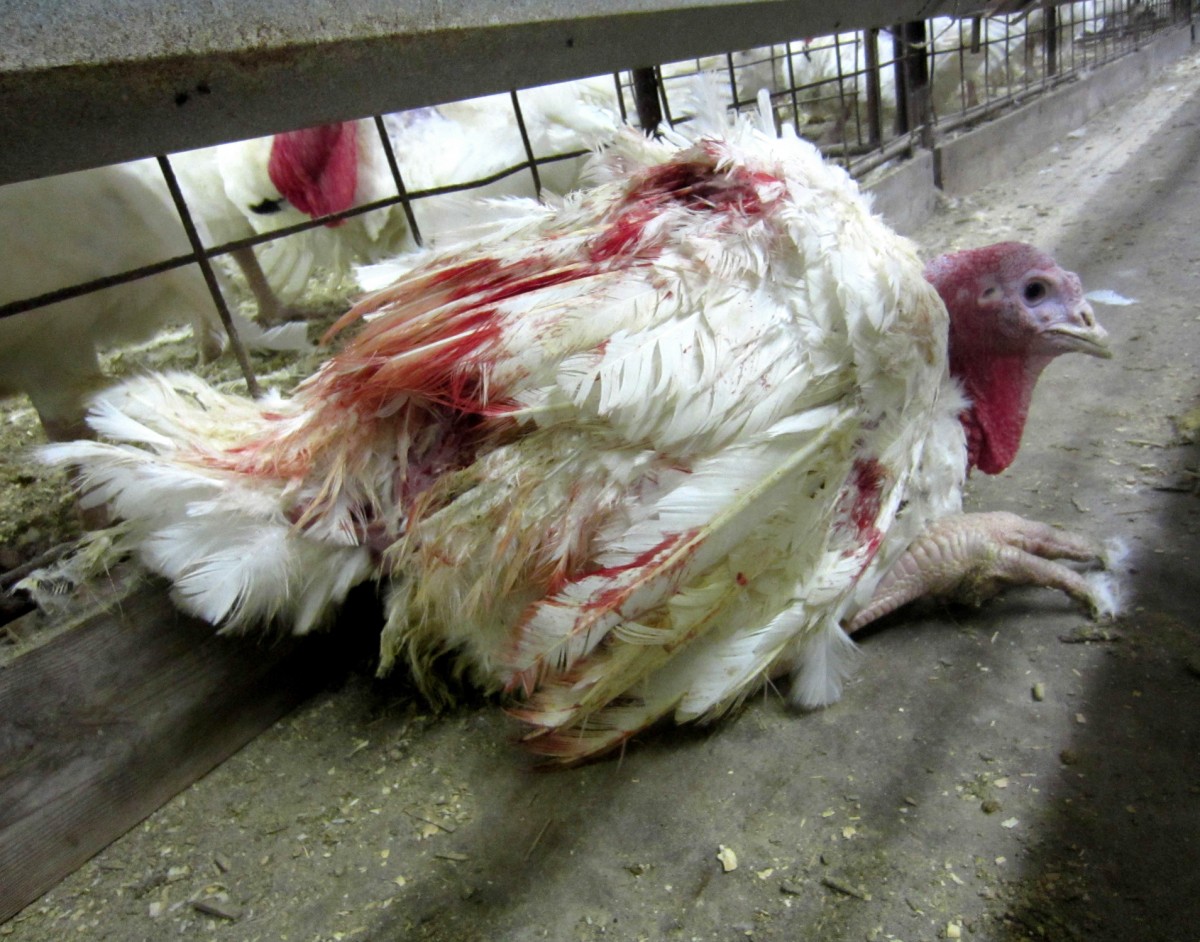
But getting people to eat fewer animal products
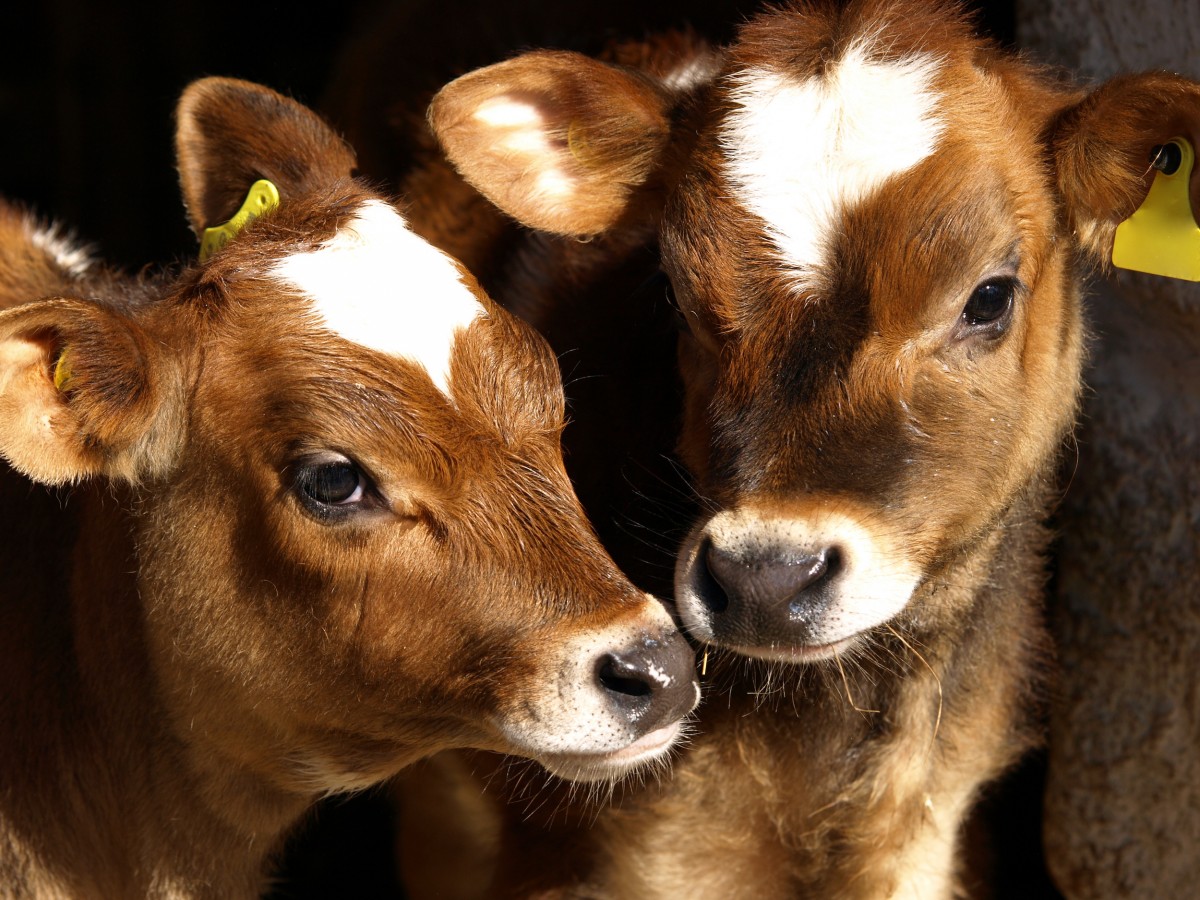
isn’t just good for public health and the planet; it also spares countless animals a lifetime of misery at factory
farms. Cows, pigs, and chickens raised and killed for food are just
as smart and sensitive as the dogs and cats we adore at home. But at factory
farms, animals are subjected to unimaginable cruelties: intensive confinement,
agonizing mutilations, and violent deaths.
isn’t just good for public health and the planet; it also spares countless animals a lifetime of misery at factory
farms. Cows, pigs, and chickens raised and killed for food are just
as smart and sensitive as the dogs and cats we adore at home. But at factory
farms, animals are subjected to unimaginable cruelties: intensive confinement,
agonizing mutilations, and violent deaths.
See for yourself.
While it’s frustrating that our leaders often
overlook the cruelty and destruction associated with factory farming and meat
consumption, you’re not powerless. You can join the millions of people taking a
stand by switching to a compassionate vegan diet. Order your FREE Vegetarian Starter Guide today. And check
out our Pinterest page for thousands of recipe ideas!
overlook the cruelty and destruction associated with factory farming and meat
consumption, you’re not powerless. You can join the millions of people taking a
stand by switching to a compassionate vegan diet. Order your FREE Vegetarian Starter Guide today. And check
out our Pinterest page for thousands of recipe ideas!