The following statement regarding Quebec’s avian flu outbreak may be attributed to Walter Sánchez-Suárez, Animal Behavior and Welfare Scientist at Mercy For Animals:
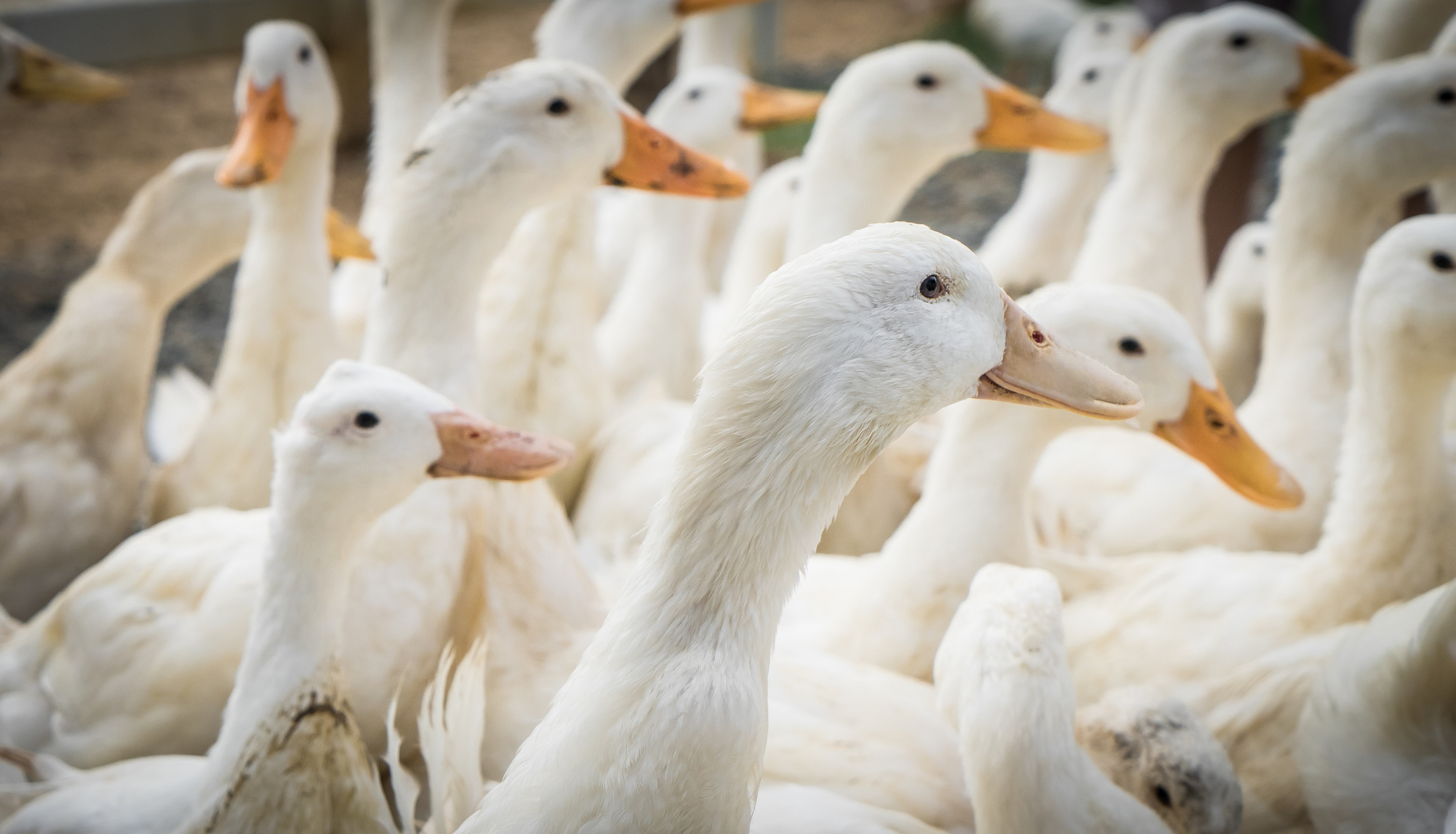
The recent avian influenza H5N1 outbreak in a Quebec duck farm illustrates how this virus can persist and spread across intensive animal production systems. Highly pathogenic avian influenza is extremely virulent in farmed birds, with mortality rates that can reach 100%. Vaccination is often of limited effectiveness because the virus mutates rapidly and can lead to asymptomatic, undetected infections that prolong outbreaks. In this complex context, mass depopulation remains the primary control measure, typically involving culling methods that cause significant stress and prolonged suffering for the birds.
While preparedness and biosecurity are essential, this outbreak further highlights the fundamental vulnerability of intensive animal production farms to infectious pathogens. Crowded, high-stress environments compromise animal health and welfare, creating ideal conditions for disease emergence and spread. Because this production model also carries significant risks for human health, wildlife and environmental sustainability, Canada should actively support a transition to alternative food systems that prioritize the well-being of humans, animals and the environment.
###
The confirmation of H5N1 avian influenza at a Quebec duck farm underscores both the seriousness of this virus and the tragic reality of industrial farming. H5N1 is highly pathogenic and nearly always fatal for domestic birds. It continues to circulate in wild birds and has demonstrated the ability to infect mammals, increasing the risk of viral adaptation and broader public-health consequences. Standard containment strategies typically involve culling entire flocks to limit viral amplification and protect trade and supply chains — an approach that highlights the need for stronger, science-based prevention and control measures.