The following statement regarding Manitoba’s African swine fever preparedness may be attributed to Walter Sánchez-Suárez, Animal Behavior and Welfare Scientist at Mercy For Animals:
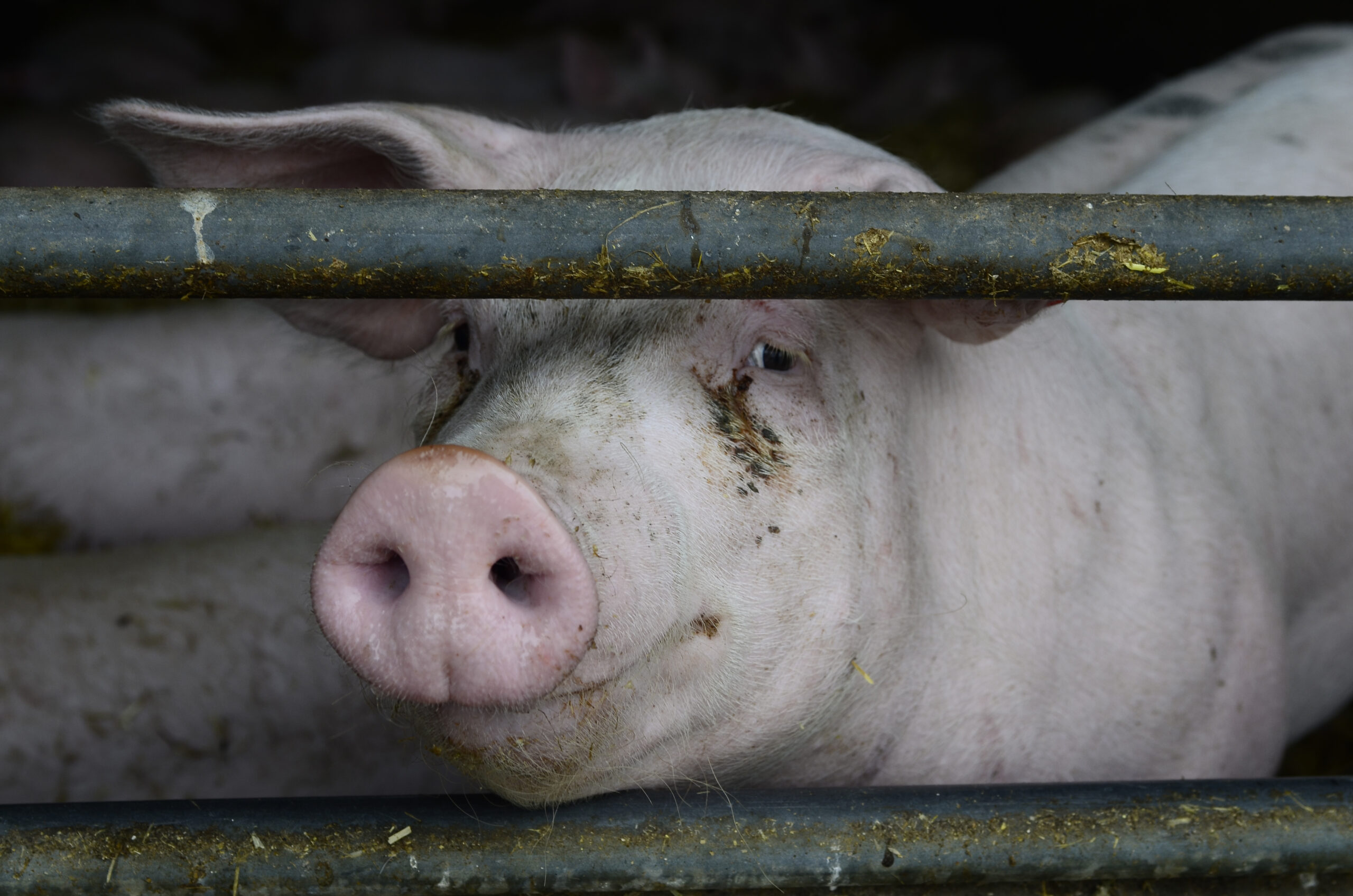
The African swine fever (ASF) outbreak prevention plan that Manitoba is preparing is yet another example of how problematic the animal production industry is, creating serious problems for which no effective solutions exist. Although ASF does not infect humans, it is an extremely contagious and lethal disease in pigs which cannot currently be effectively controlled through vaccination. In recent years, ASF has had terrible consequences in terms of suffering for the farmed individuals who contract it and the economic and food security problems in various regions of the world. In China alone, since the 2018 outbreak, more than 200 million farmed pigs have died or been culled. Wholesale prices have more than doubled, creating an ongoing crisis in the country that had to be mitigated by government subsidies and imports.
The disease has not yet reached North America, but the risk is very high, with outbreaks already detected in nearby countries, such as Haiti and the Dominican Republic. The control plan proposed in Manitoba would involve the initial slaughter of hundreds of thousands of pigs using depopulation methods that cause severe animal suffering and significant economic losses. Even so, the most optimistic models for countries such as the United States indicate that an ASF outbreak would last for months and that the ease of transmission among farmed pigs and the potential for wild pig contagion pose a major risk that ASF could not be eradicated, as is the case in Asia and Europe.
Given that Canada’s pork sector generates over CDN$6 billion annually and depends heavily on exports, even a single case could trigger immediate border closures and severe economic disruption. Considering the serious problems caused by the industrial animal agriculture model — including pig farming — Canada must adopt truly effective measures to address these issues, supporting a transition to alternative food production practices that are safe, efficient and sustainable.
###
Manitoba’s plan to cull hundreds of thousands of pigs if African swine fever (ASF) arrives underscores both the severity of the disease and the tragic reality of industrial farming. ASF is almost always fatal for pigs yet poses no risk to humans. Entire populations would be destroyed preemptively to protect trade and supply chains — an approach that reveals just how fragile and unsustainable our food system has become, especially given that current experimental vaccines have shown only limited and strain-specific protection, with no reliable, widely deployable solution available.