New research confirming that the H5N1 avian influenza virus can remain infectious in raw milk and certain raw-milk cheeses exposes a serious and escalating public health threat. What started in poultry barns is now reaching the food supply, putting consumers at risk.
The fact that H5N1 can survive in milk and cheese shows how dangerously far this outbreak has spread. A virus that is nearly always fatal to birds and increasingly common in dairy cattle is now entering human food channels. This is a clear sign that current disease controls are failing.
Crowded, industrial farming conditions allow H5N1 to spread quickly, mutate, and jump between species. Infections across birds, cattle, and other mammals raise the risk of the virus adapting in ways that could threaten human health. When milk from infected cows reaches the market, even in limited forms, the danger becomes impossible to ignore.
Recent calls to promote higher whole milk consumption overlook the very real biosecurity, animal welfare, and public health risks tied to industrial dairy production. Encouraging more dairy intake without fixing these systemic failures only puts more people at risk.
Mercy For Animals’ latest investigation at a New York dairy farm revealed calves torn from their mothers, cows living in filthy conditions, and animals denied basic care. These are the same stressful, overcrowded environments that allow dangerous viruses like H5N1 to thrive.
Mass culling remains the industry’s go-to response, causing immense animal suffering while doing little to stop future outbreaks. The continued spread of H5N1 exposes a broken system that prioritizes profit over animal welfare, public safety, and disease prevention.
Mercy For Animals is calling for urgent action to protect animals, strengthen disease control, and move away from industrial animal agriculture toward safer, more humane, and more sustainable food systems.
###
Statement From Mercy For Animals Scientists on H5N1 Avian Flu Risks in Raw Milk and Cheese

Read what’s next.
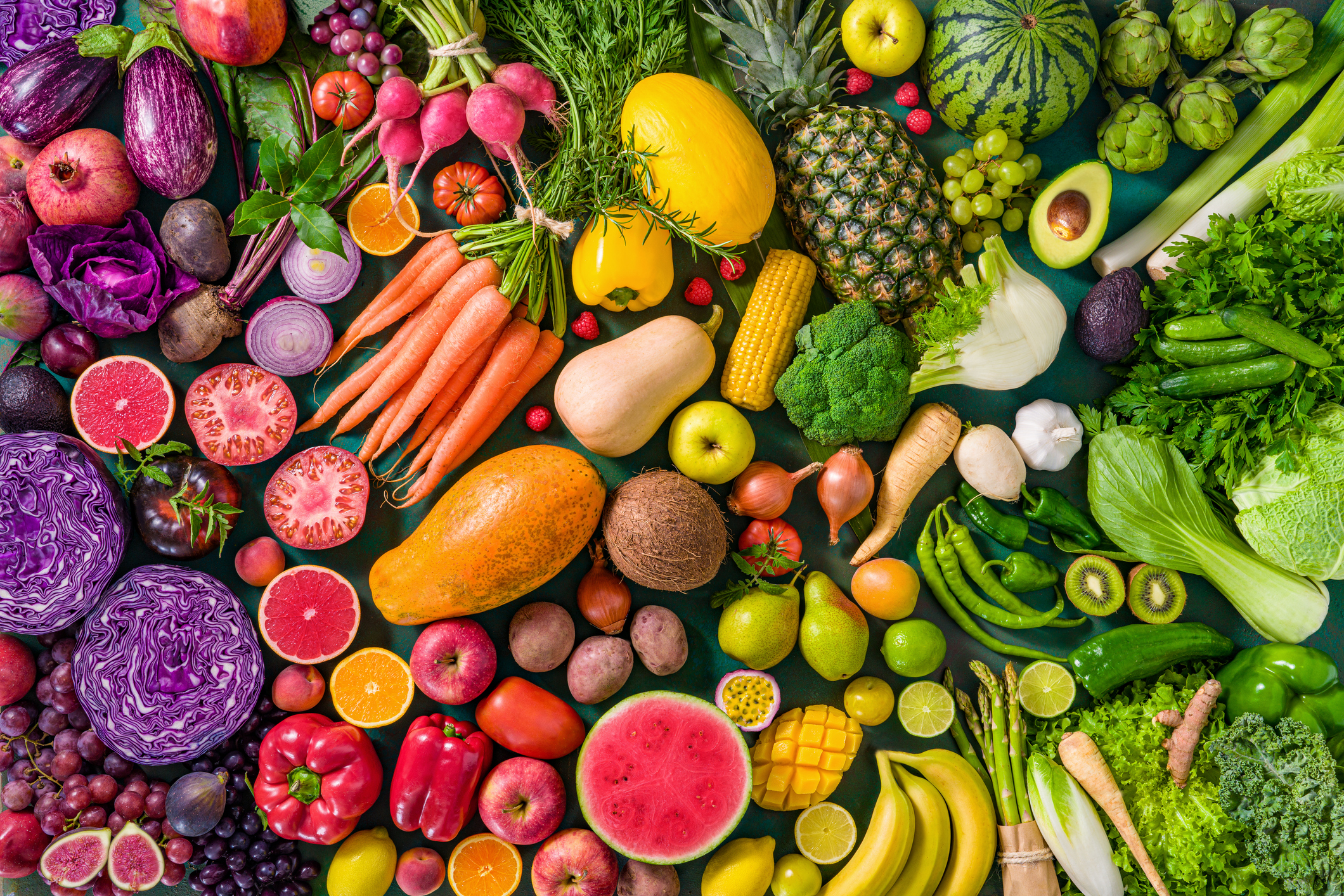
Statement from Mercy For Animals Regarding New U.S. Dietary Guidelines
The following statement regarding the release of new U.S. dietary guidelines may be attributed to Arash Yomtobian, CEO and President at Mercy For Animals: As new U.S. dietary guidelines place greater emphasis on animal protein, Mercy For Animals encourages a science-led, public health–focused discussion about food choices. Mercy For Animals believes dietary guidance should reflect […]
Read More
Mercy For Animals Acknowledges Animal Health Canada’s Welfare Commitments and Urges Strong Action for Farmed Animals
The following statement regarding Animal Health Canada’s strategic goals announcement may be attributed to Maha Bazzi, Director of Animal Welfare Initiatives, U.S. & Canada, at Mercy For Animals: Mercy For Animals acknowledges Animal Health Canada’s (AHC) announcement of its five strategic goals for improving the health and welfare of farmed animals by 2030. While progress […]
Read MoreGet info about volunteer opportunities, Mercy For Animals news, and more.
Thank you for signing up!