Photo: Pierre Parcoeur / We Animals
Foie gras, French for “fatty liver,” is a luxury food product made from the enlarged livers of ducks or geese. Often served in high-end restaurants and sold as a gourmet delicacy, foie gras has become one of the most controversial foods in the world because of how it is produced.
Behind its reputation for luxury lies a practice that animal protection advocates, veterinarians, and lawmakers around the world have condemned for causing immense suffering to animals.
What Is Foie Gras?
Foie gras is the diseased liver of a duck or goose that has been intentionally enlarged through force-feeding. The animal’s liver develops hepatic lipidosis, or fatty liver disease, and can grow up to 10 times its normal size.
Foie gras is typically sold as a pâté, mousse, or whole liver and is often associated with French cuisine. While foie gras has traditionally been produced in France, it is also made in several other countries worldwide.
How Is Foie Gras Made?
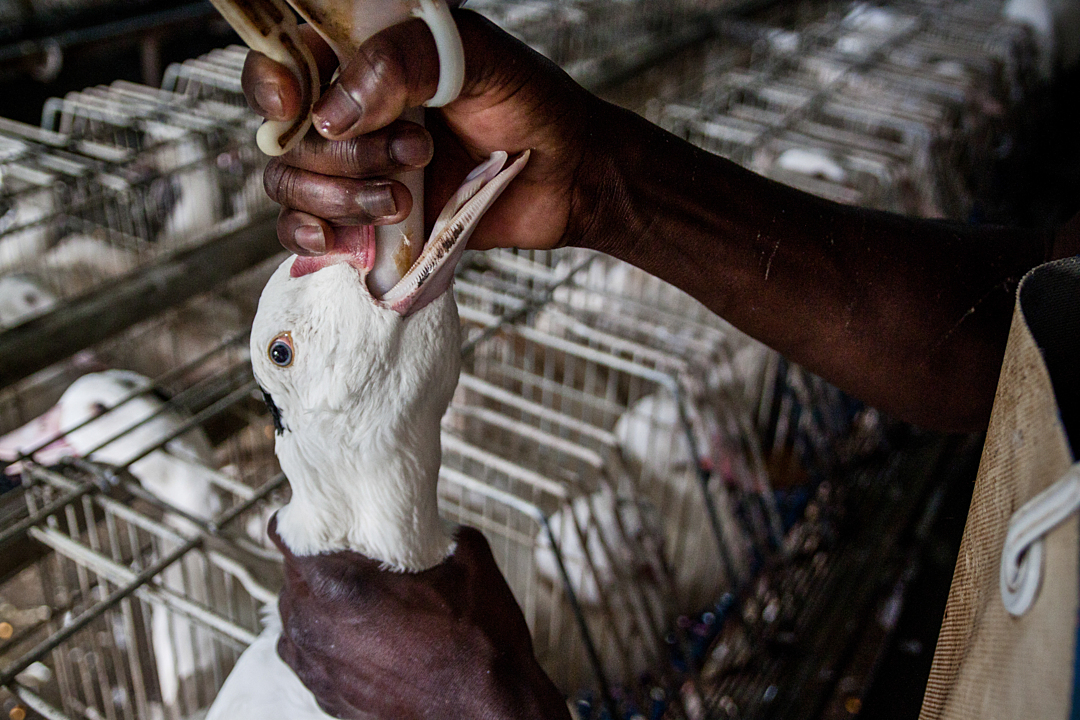
To produce foie gras, ducks and geese are subjected to a process known as “gavage,” or force-feeding.
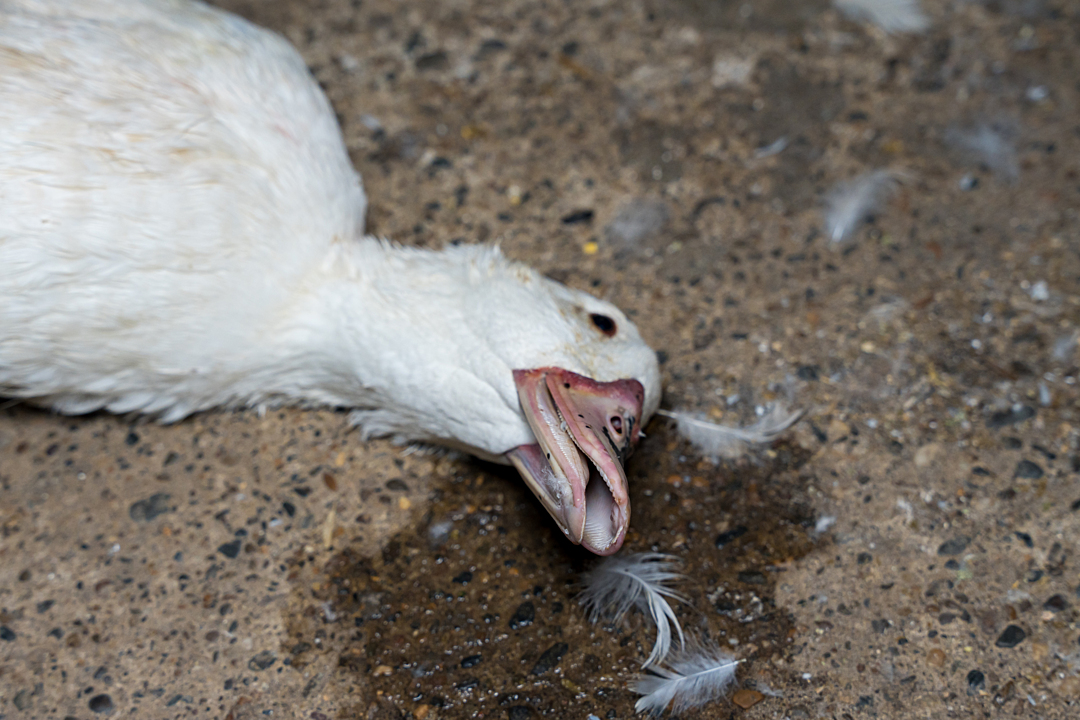
During this terrifying process, workers insert a long metal or plastic tube down a bird’s throat multiple times a day and pump large quantities of food directly into the animal’s stomach. Birds may be forced to consume several times more food than they would naturally eat.
The goal is not to nourish the animals but to intentionally cause their livers to become diseased and enlarged.
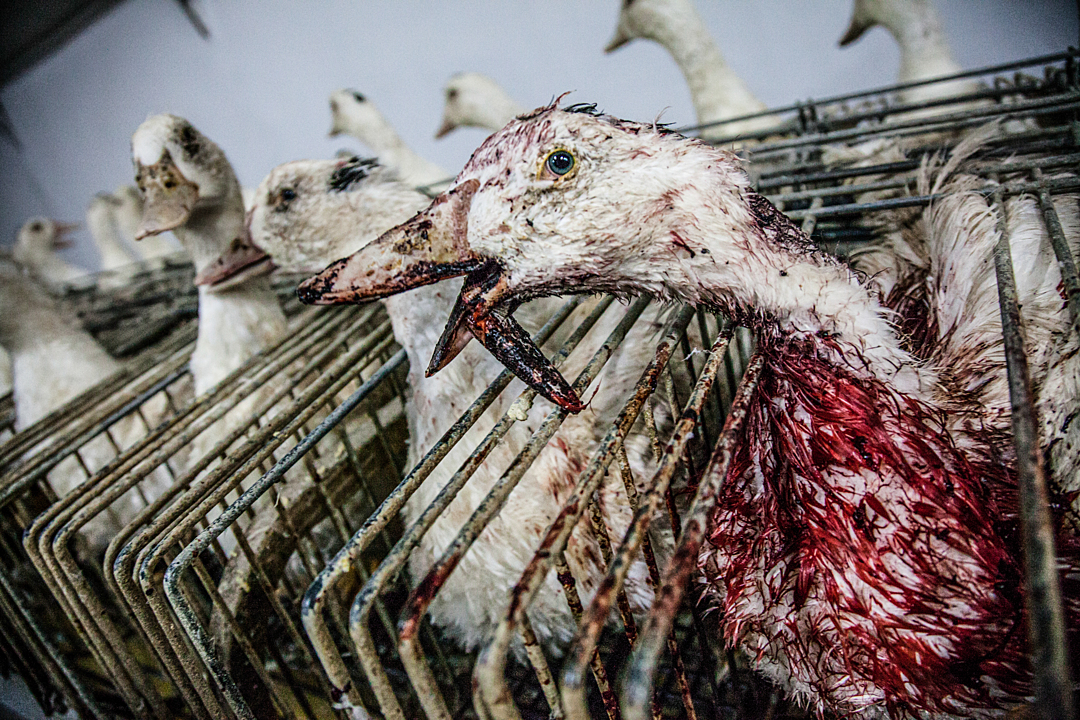
Animal protection organizations and veterinarians have documented numerous welfare concerns associated with force-feeding, including injuries to the throat and esophagus, difficulty breathing, impaired mobility, and severe stress.
Why Is Foie Gras Considered Cruel?
Foie gras production has been widely criticized because it relies on deliberately inducing a painful disease in animals.
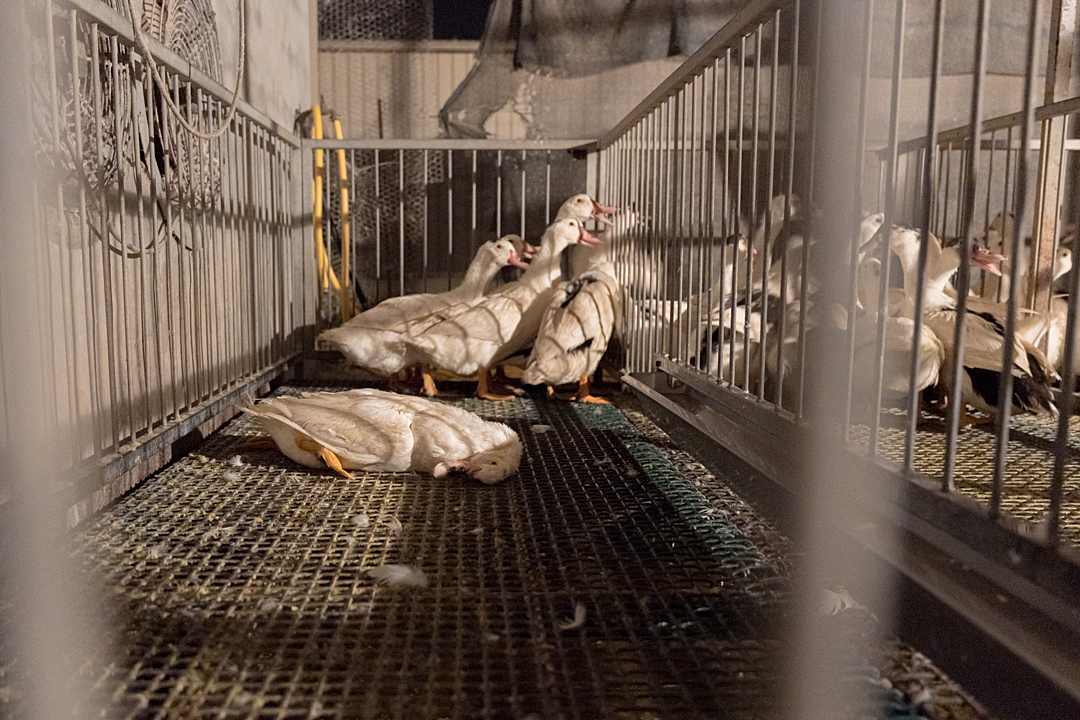
In the wild, ducks and geese naturally store some fat in their livers before migration, but force-feeding in the foie gras industry pushes far beyond this natural process. As birds’ livers swell to many times their normal size, they can experience difficulty breathing and moving. Some birds also develop infections, injuries, and other health complications associated with force-feeding.
No luxury food product can justify intentionally causing someone to suffer.
Where Is Foie Gras Banned?
Foie gras production has been banned in several countries, including the United Kingdom, Germany, Italy, Norway, and Poland, due to concerns about animal suffering.
In the United States, California prohibits the sale of foie gras produced through force-feeding. New York City also enacted restrictions on foie gras sales, though legal challenges have delayed implementation.
More recently, Portland, Oregon, approved a ban on foie gras sales. The measure reflects growing public concern about the treatment of animals used in foie gras production and adds Portland to a growing list of jurisdictions that have rejected products made through force-feeding.
Mercy For Animals Is Working to End Foie Gras Cruelty
In Brazil, lawmakers recently approved Bill 90/2020, which would prohibit the production and sale of foie gras throughout the country. The legislation has already passed Brazil’s National Congress and is awaiting the signature of President Luiz Inácio Lula da Silva.
Mercy For Animals Brazil is mobilizing supporters nationwide to urge the president to sign the bill into law. If enacted, the legislation would help spare countless ducks and geese from the suffering associated with force-feeding.
The Future of Foie Gras
As more and more people learn about foie gras production, more consumers, businesses, and governments are questioning whether a luxury food product is worth the suffering it causes.
Around the world, momentum is building to end force-feeding and protect ducks and geese from one of the food industry’s most controversial practices.
For Mercy For Animals, the issue is simple: no animal should be forced to endure pain and disease for the sake of a delicacy.
Stay up to date on foie gras and other animal protection news! Sign up for our newsletter today.