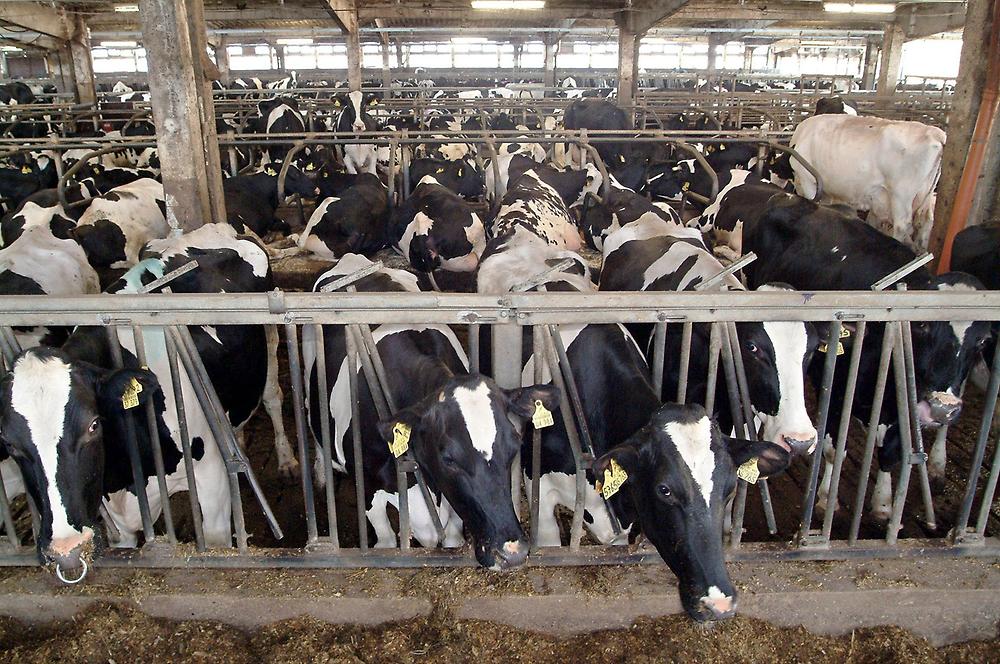
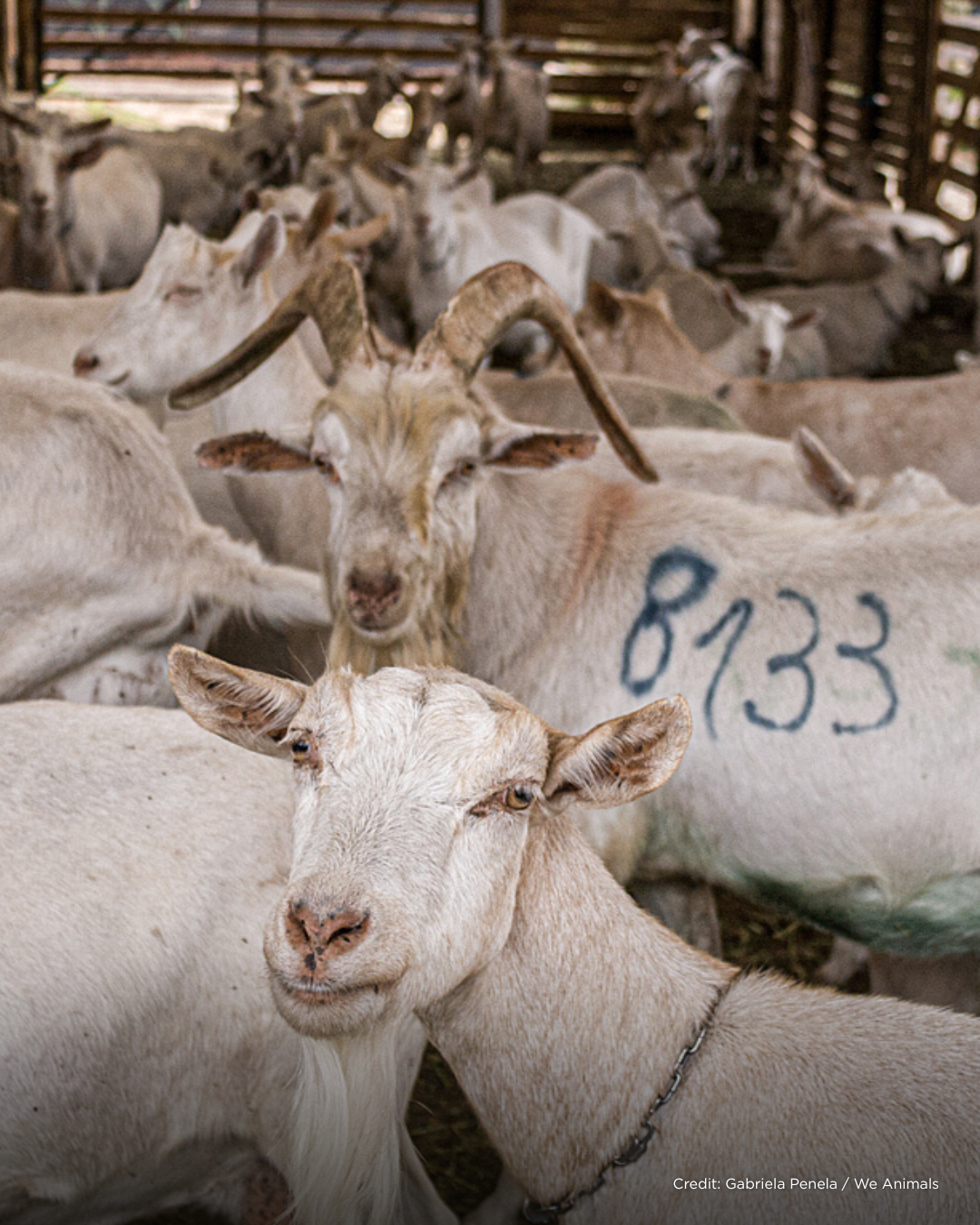
In factory farms around the world, individual animal care is impossible. To manage thousands of farmed animals at once, workers use industrial marking paint on fur or skin, applying it with a brush, sprayer, or roller to categorize animals such as cows, pigs, goats, and sheep.
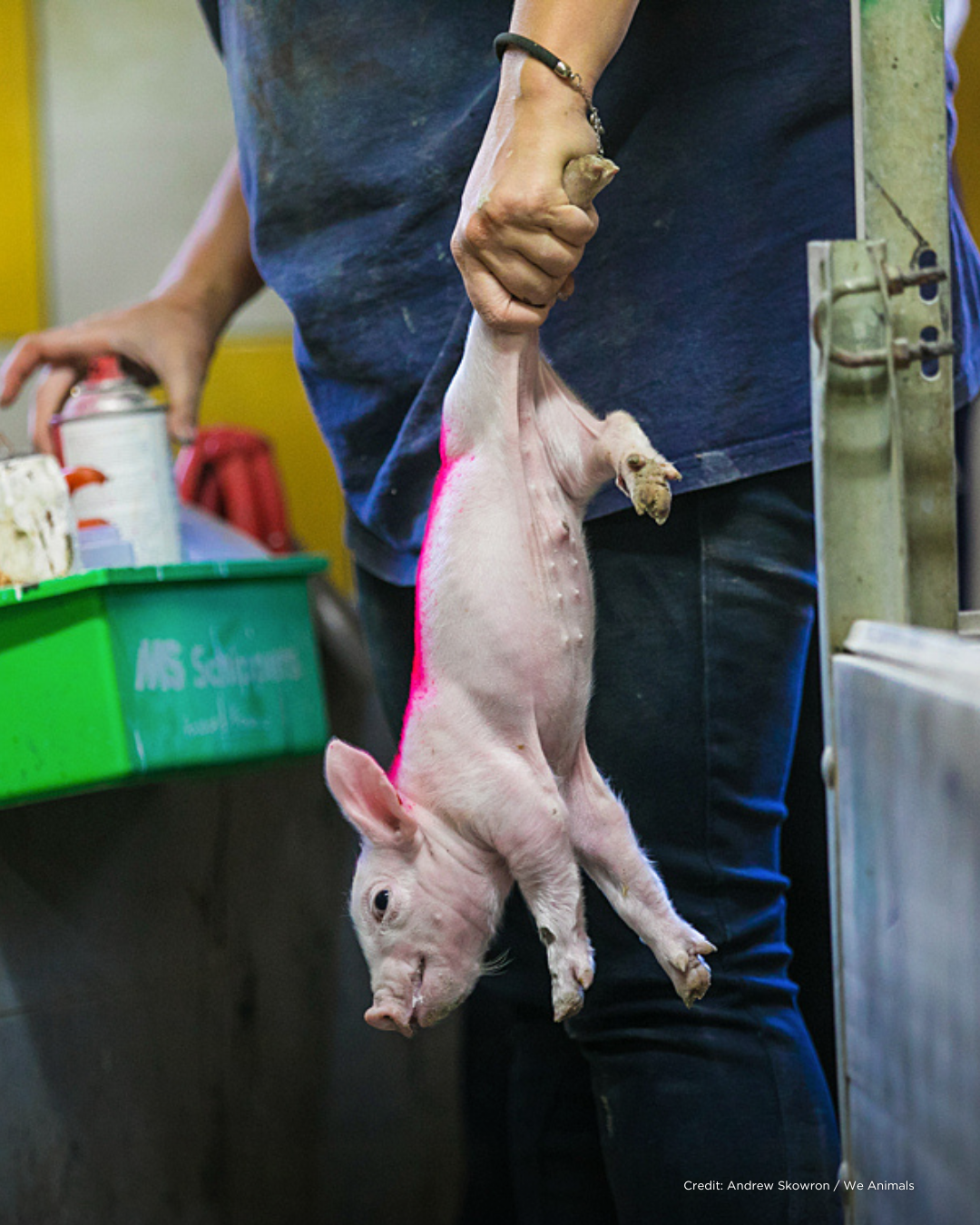
Why Are Animals Spray-Painted and What Does It Represent?
Workers use what the industry calls “Livestock Sprays,” “Paint,” or “Markers” to identify animals for several reasons, including:
- Identify individual animals
- Mark those who’ve been vaccinated, treated, or are sick
- Track breeding cycles and pregnancies
- Sort animals for transport, sale, or to be sent to slaughterhouses
- Organize groups within herds or flocks
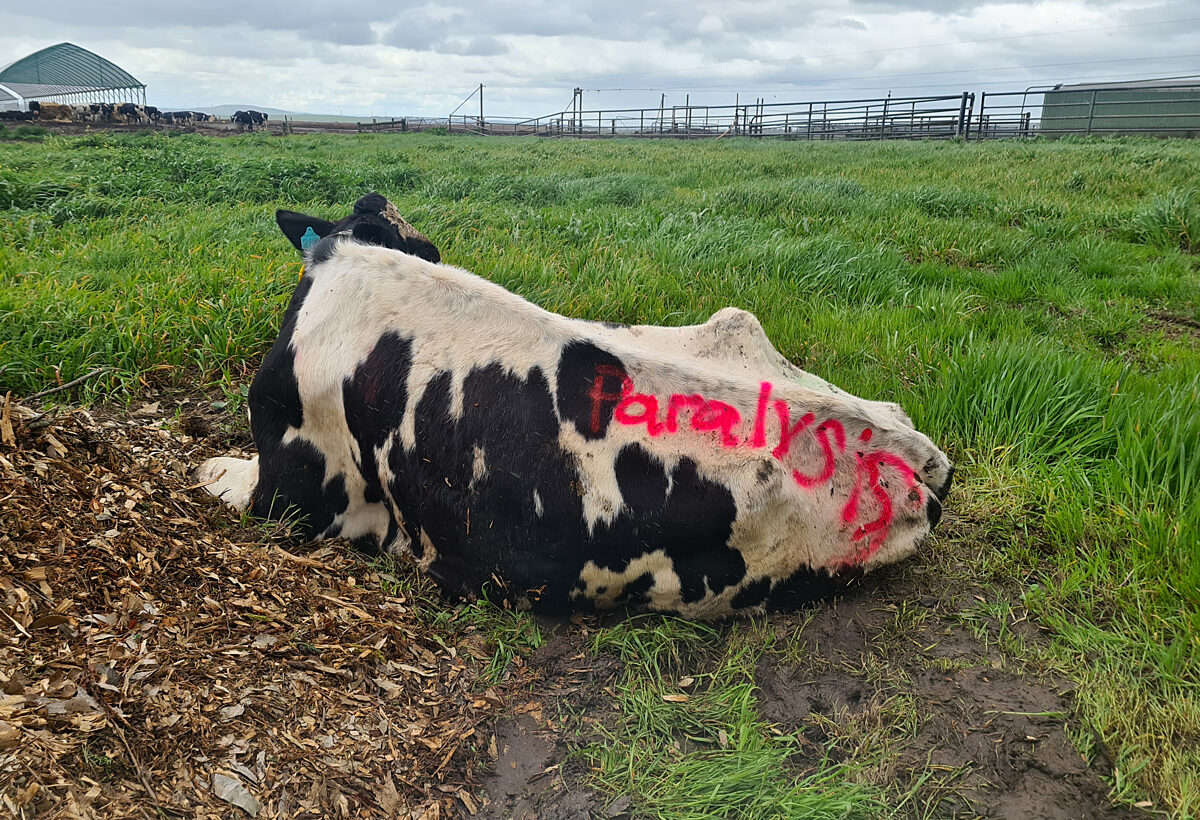
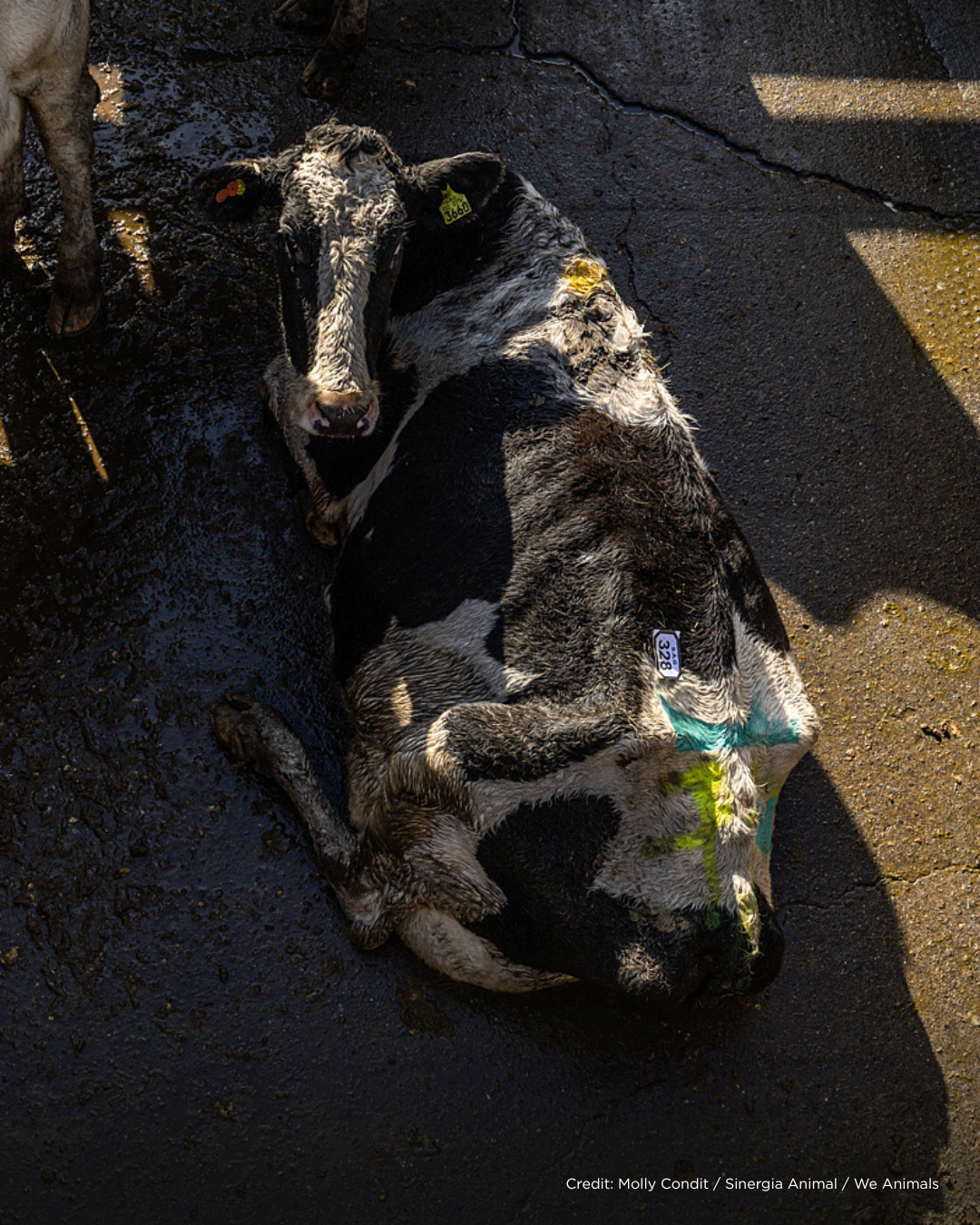
- Determine those who are “downed”
- Mark animal carcasses during meat processing
- Identify animals that are part of a research or experimentation study
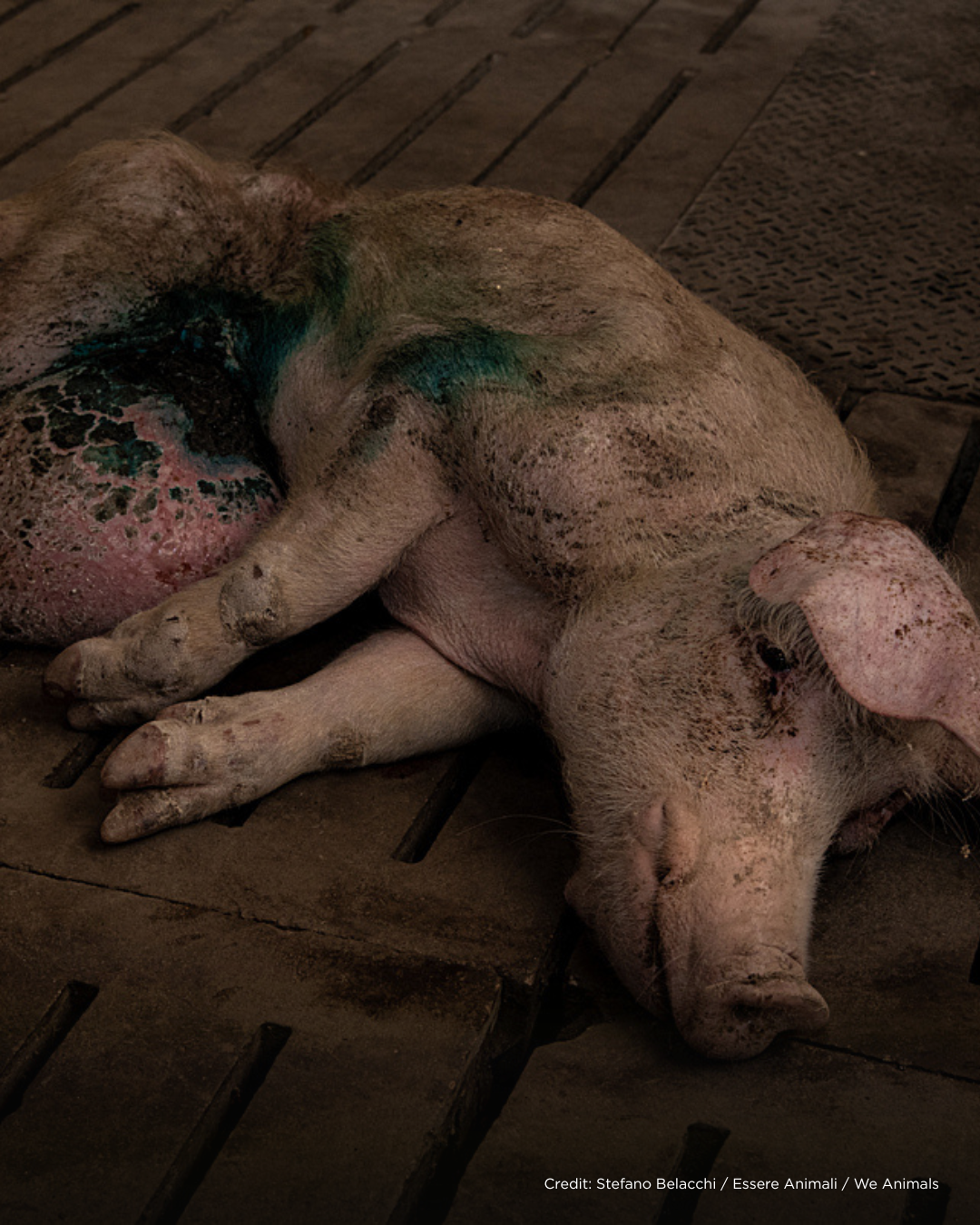
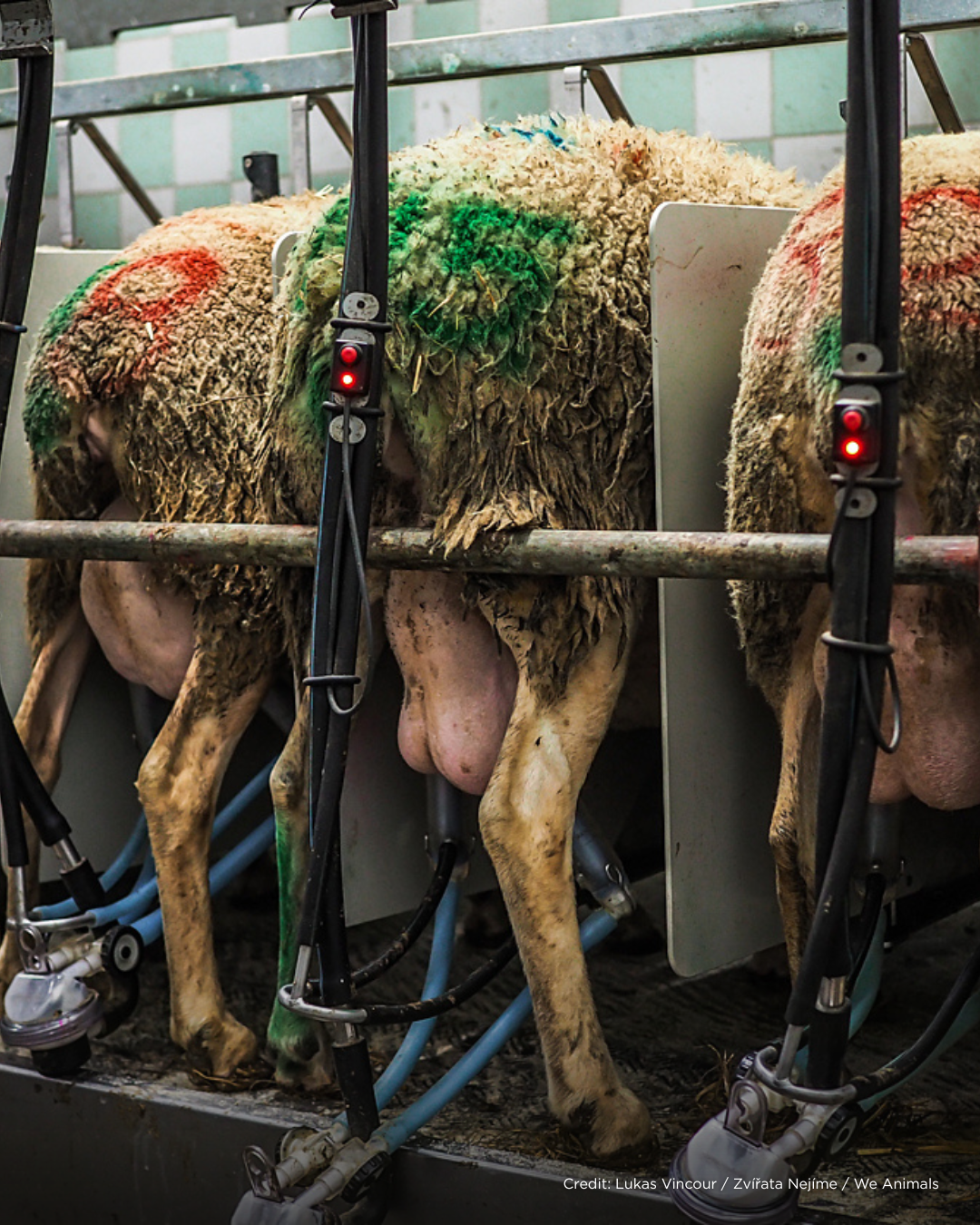
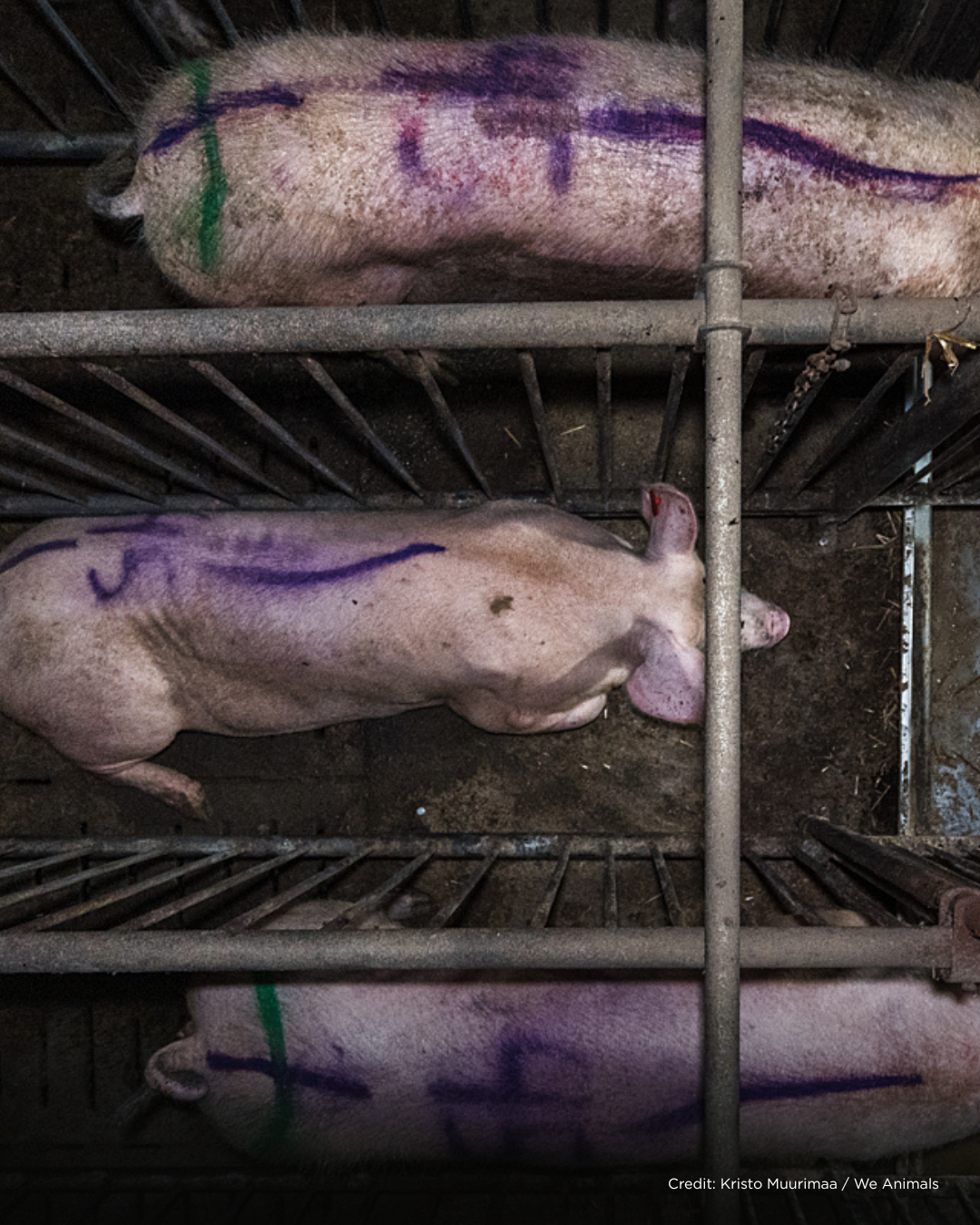
In factory farming, workers often mark animals who have achieved target weight for easy identification during transport. Tragically, a specific paint color or marking is used to label certain animals as “downed” or “sick,” and the industry typically kills these animals if they are deemed no longer profitable.
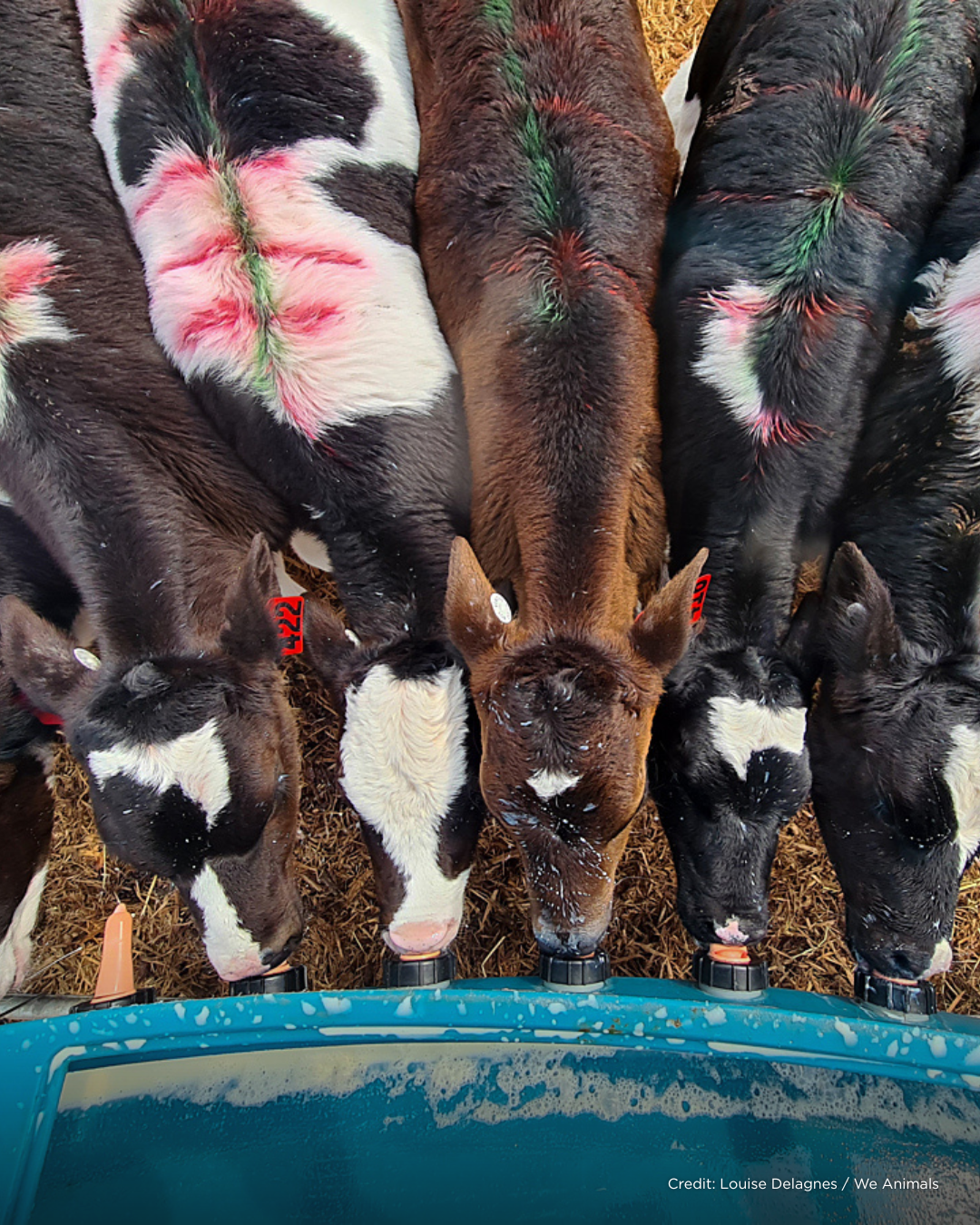
Additionally, marking serves a purpose in tracking medications. Factory farms are notorious breeding grounds for disease due to the extreme confinement they impose, so farmers frequently give animals antibiotics or other medications. While this might be misconstrued as “healthcare,” it is indicative of a deeply flawed system—one where cramped, dirty conditions necessitate constant medical intervention to survive until slaughter. The paint they bear is not a symbol of healing but rather a red flag for a toxic environment.
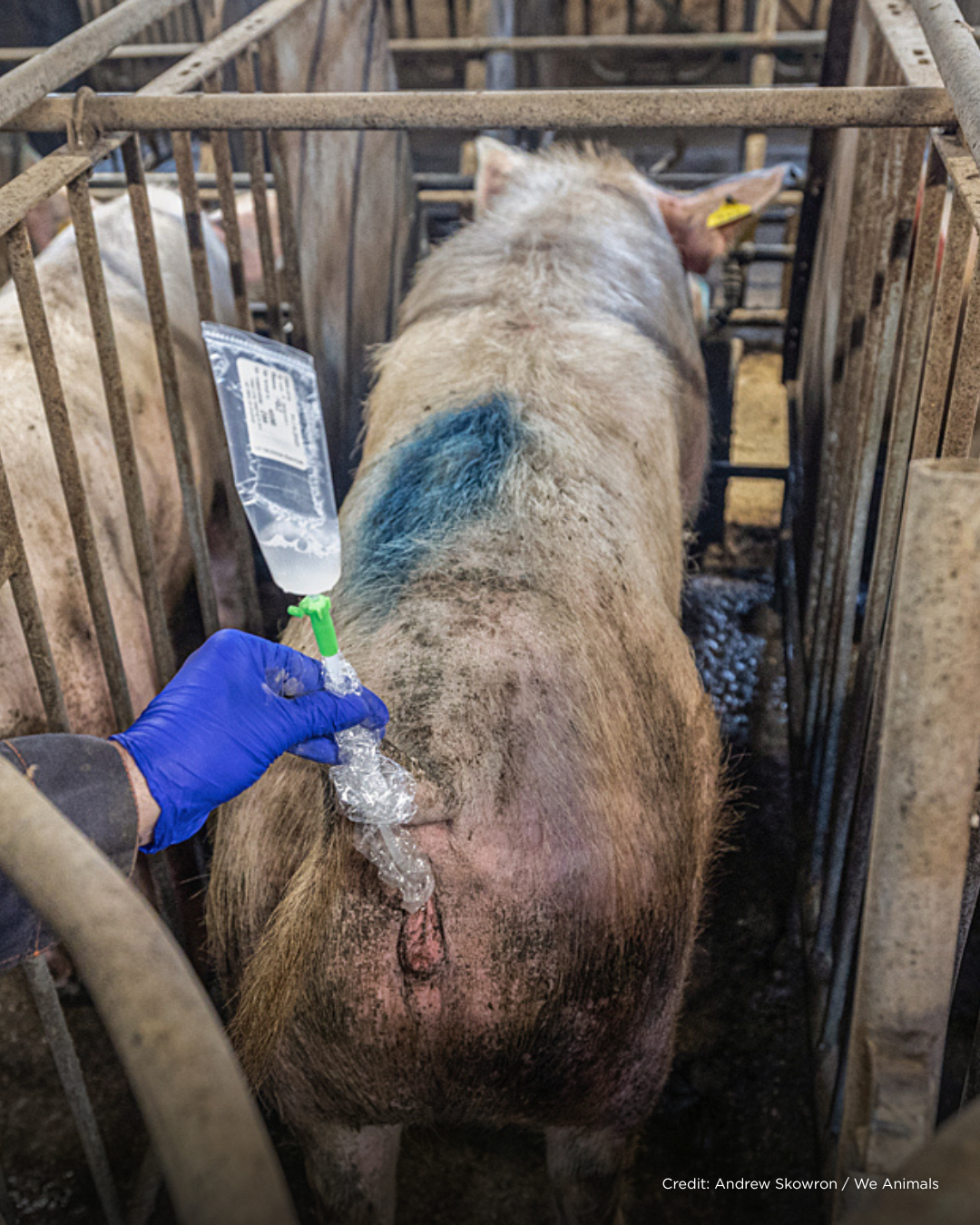
The dairy and pork industries treat mothers as breeding machines, often using paint during insemination. Practices such as heat detection or “tail painting” are used in the dairy industry to track which cows are ready for artificial insemination and breeding. Paint marks also identify when mother pigs are ready to be moved into confining farrowing crates, where they will face weeks of immobility.
The Deeper Meaning of Paint on Animals: “De-animalization”
Painted markings on animals serve as psychological barriers that enable the industry to ignore their individuality and suffering. Fueled by the sheer scale of factory farming, these identification systems are purely focused on efficiency. They assist workers in tracking animals as they are bred, transported, become sick, or are sent to slaughter. While much of animal agriculture remains hidden behind closed doors, these unsettling symbols of “processing” make the reality of the system visible, revealing a world where profit is prioritized over the basic dignity of animals from the moment they are born.
How to Take Action and Choose Compassion Over Cruelty
The animals who are labeled, tracked, and sorted in these systems are individuals. But we have the power to change the narrative for these animals who suffer behind closed doors. Every time we choose a plant-based meal, we are advocating for a world where animals are not exploited for profit or to end up on someone’s plate but are respected for who they are.
So how can we change? Here are a few actions we can take to make a difference:
- Choosing more plant-based foods and beverages is an instant vote for the kind of future you would like to see. Every meal is an opportunity to help farmed animals.
- Signing petitions helps us pressure companies and legislators to prioritize animal protection. You can do it right now! Volunteering for nonprofits or local animal sanctuaries, either alone or with your family and children, is a wonderful way to teach young minds that animals are here with us, not for us.
- Finding vegan and animal-friendly programs in your community that do not exploit animals is crucial for keeping your family active and engaged. This step is vital for creating meaningful change for future generations.
- Change starts within as you reevaluate your beliefs about animals. Watching documentaries and exploring the harsh realities of farming practices can be enlightening. Gaining knowledge about the suffering of these animals empowers you to make positive changes for animals, yourself, and others.
Take the pledge to try plant-based eating, and use our free resources here!