While the majority of Canadian consumers care about animal welfare and transparency in the food system, there are currently no federal laws to protect animals kept on factory farms. For decades, the Canadian food industry has operated under a model of self-regulation in which welfare standards are largely determined by the very industries they are meant to oversee.
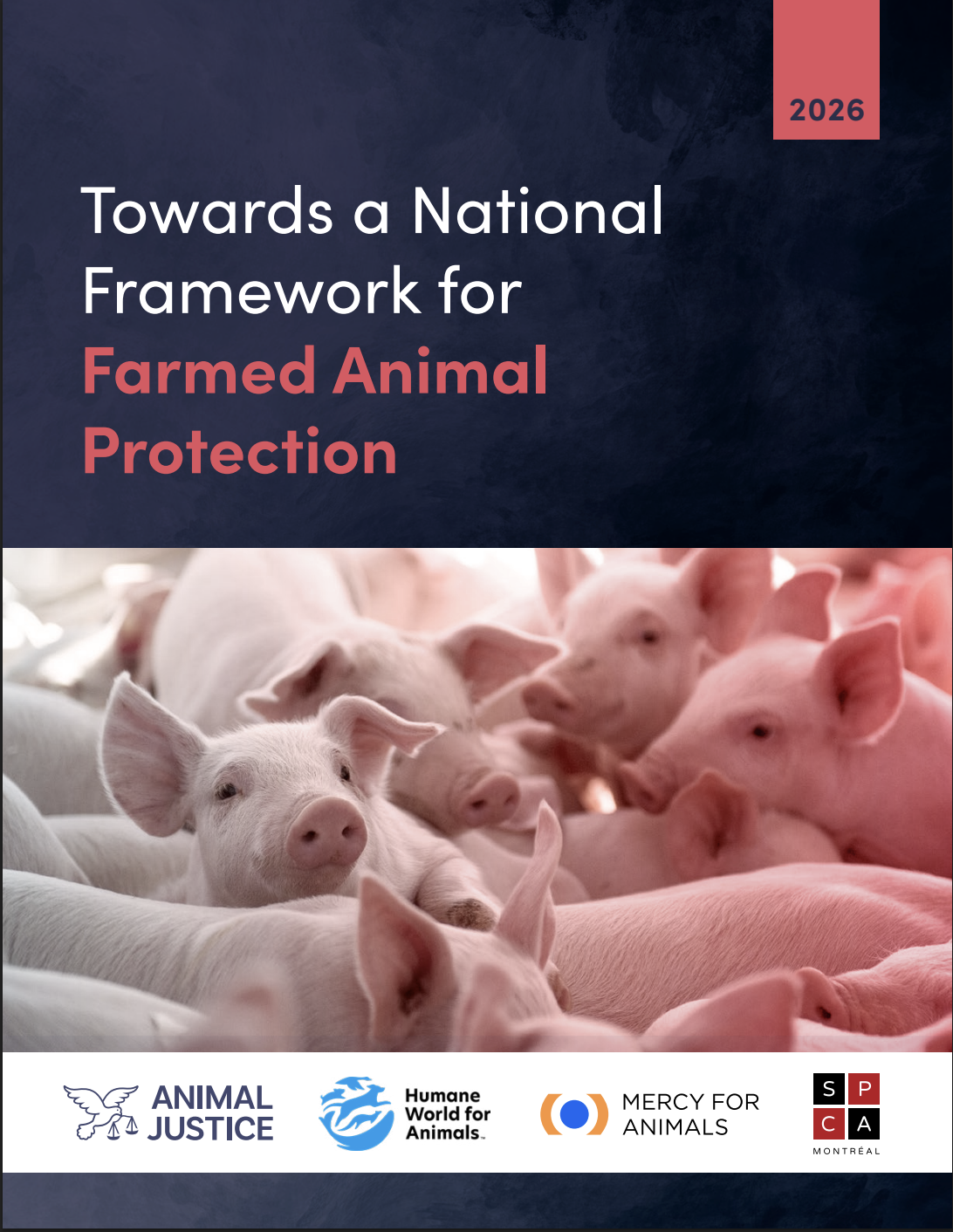
But the tide is turning. Today, Mercy For Animals, alongside three leading animal protection organizations, is proud to announce the launch of a groundbreaking vision report: Towards a National Framework for Farmed Animal Protection. This report offers a comprehensive roadmap for transforming Canada’s outdated farmed animal welfare systems—which have thus far failed animals and consumers—into a modern, accountable, and legally enforceable framework.
For major food companies, this report is a clear signal: the long-standing model of industry self-regulation is being called into question like never before. As the conversation shifts toward a future in which animals could be protected by law, the companies that lead now by reforming their supply chain practices will be best positioned to navigate an evolving regulatory landscape. Read the report.
The Problem: A System Built on Conflict of Interest
The National Farm Animal Care Council (NFACC), an industry-dominated group, develops voluntary codes of practice for the treatment of farmed animals in Canada. Although framed as independent, NFACC is dominated by industry, with the majority of its members representing businesses or groups that profit from animal products.
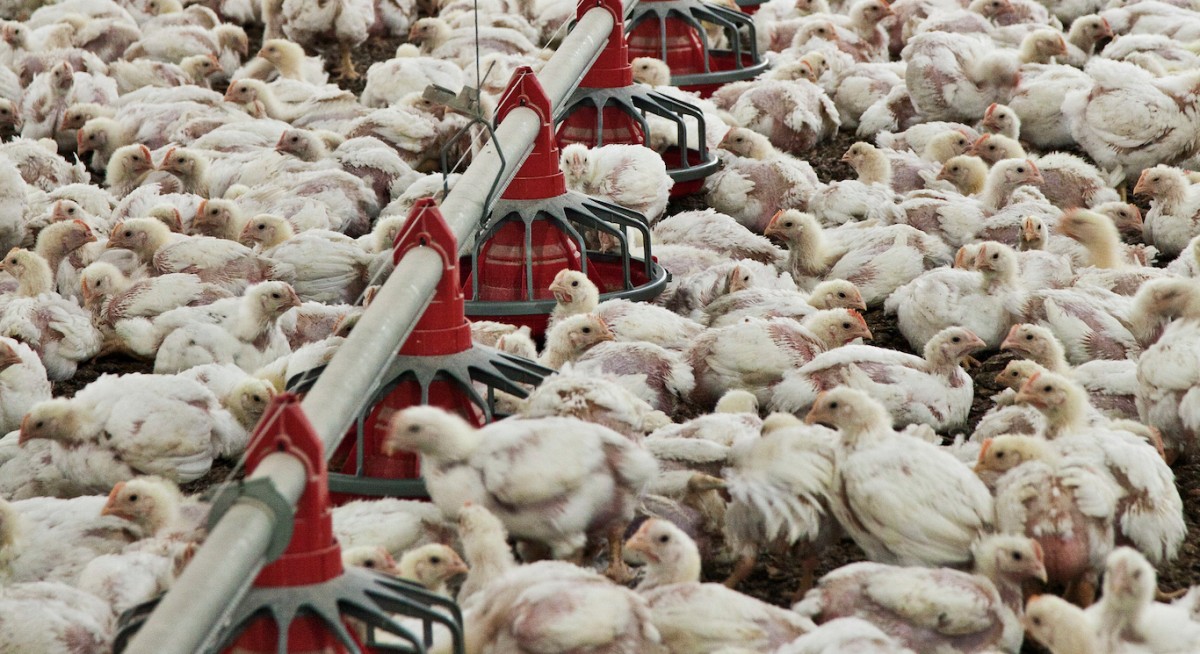
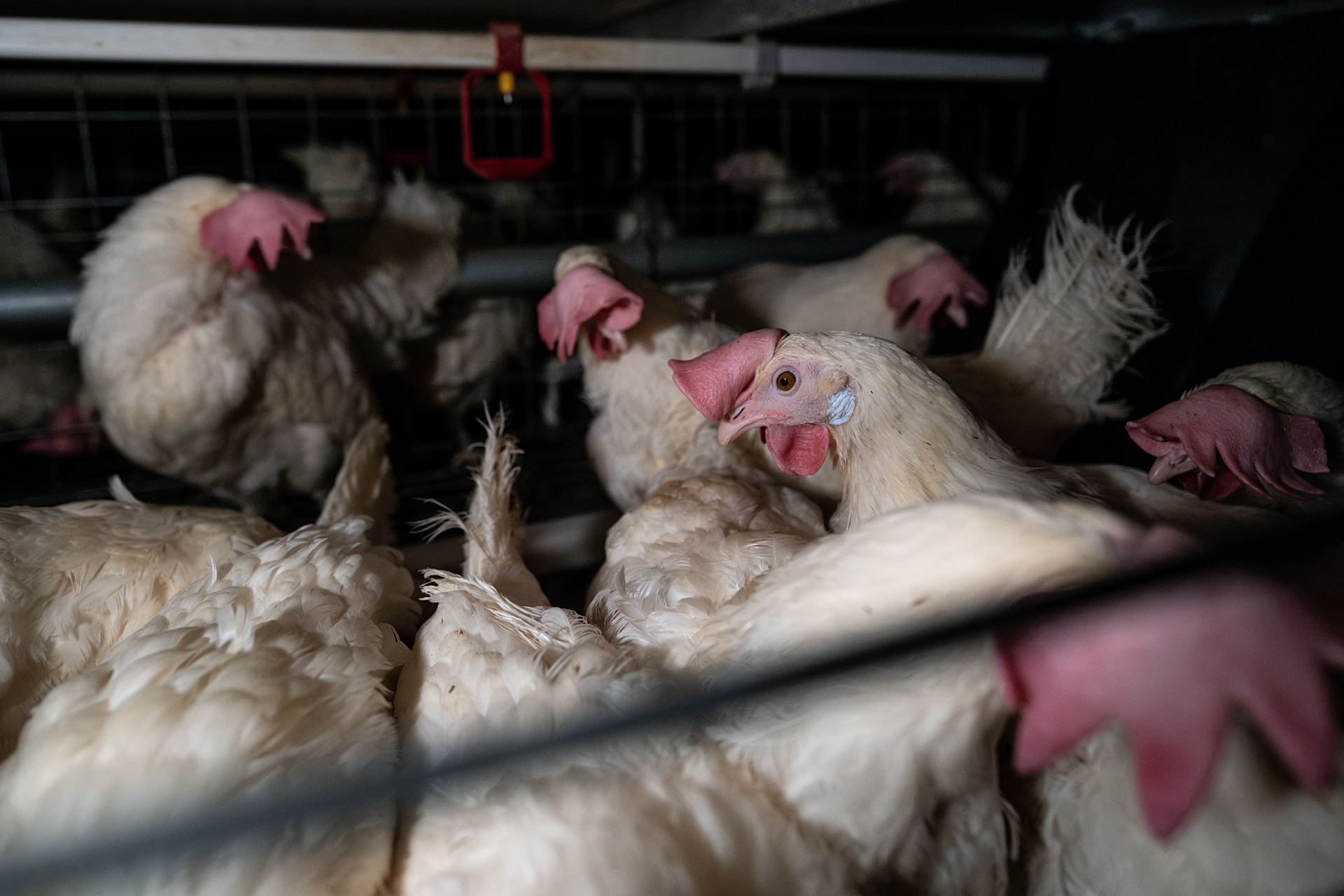
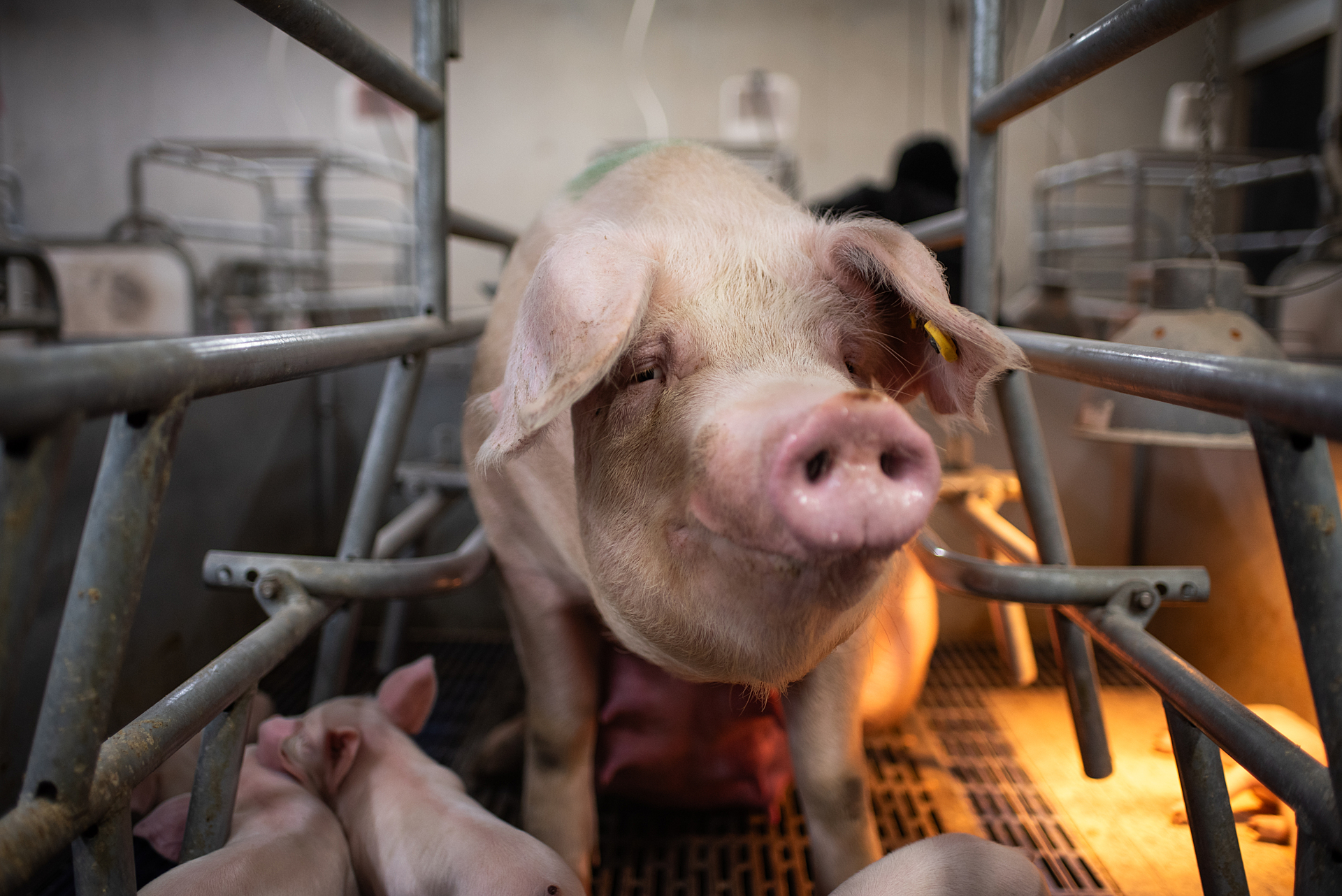
With no federal regulations protecting farmed animals in Canada, NFACC standards effectively shape industry practices. Yet these guidelines fall far short of meaningful animal welfare protections and continue to allow the most inhumane practices, such as confining animals in cages or crates, performing procedures without pain relief, and subjecting animals to cruel slaughter methods.
Though voluntary and unenforceable in most provinces, NFACC’s standards are often cited by food companies to justify limited changes in their operations, enabling them to sidestep stronger animal welfare standards while avoiding accountability. While jurisdictions like the United Kingdom, Austria, New Zealand, Switzerland, the European Union, and several U.S. states have already enacted comprehensive, government-led animal welfare legislation, Canada is falling behind—creating significant reputational and trade risks and failing to represent Canadian values.
The Solution: A Framework for Legal Reform
Towards a National Framework for Farmed Animal Protection provides a blueprint to replace the current industry-led system with a modern framework grounded in public accountability, animal care, and effective oversight. This vision involves moving beyond the private, voluntary NFACC process and toward a system in which animal protection is treated as a federal priority. By establishing a Federal Animal Welfare Act to set enforceable duties of care for farmed animals and creating independent, science-based oversight, Canada can finally ensure that animal welfare is managed with the transparency and government-led leadership that the public expects.
The Strategic Risk for Retailers
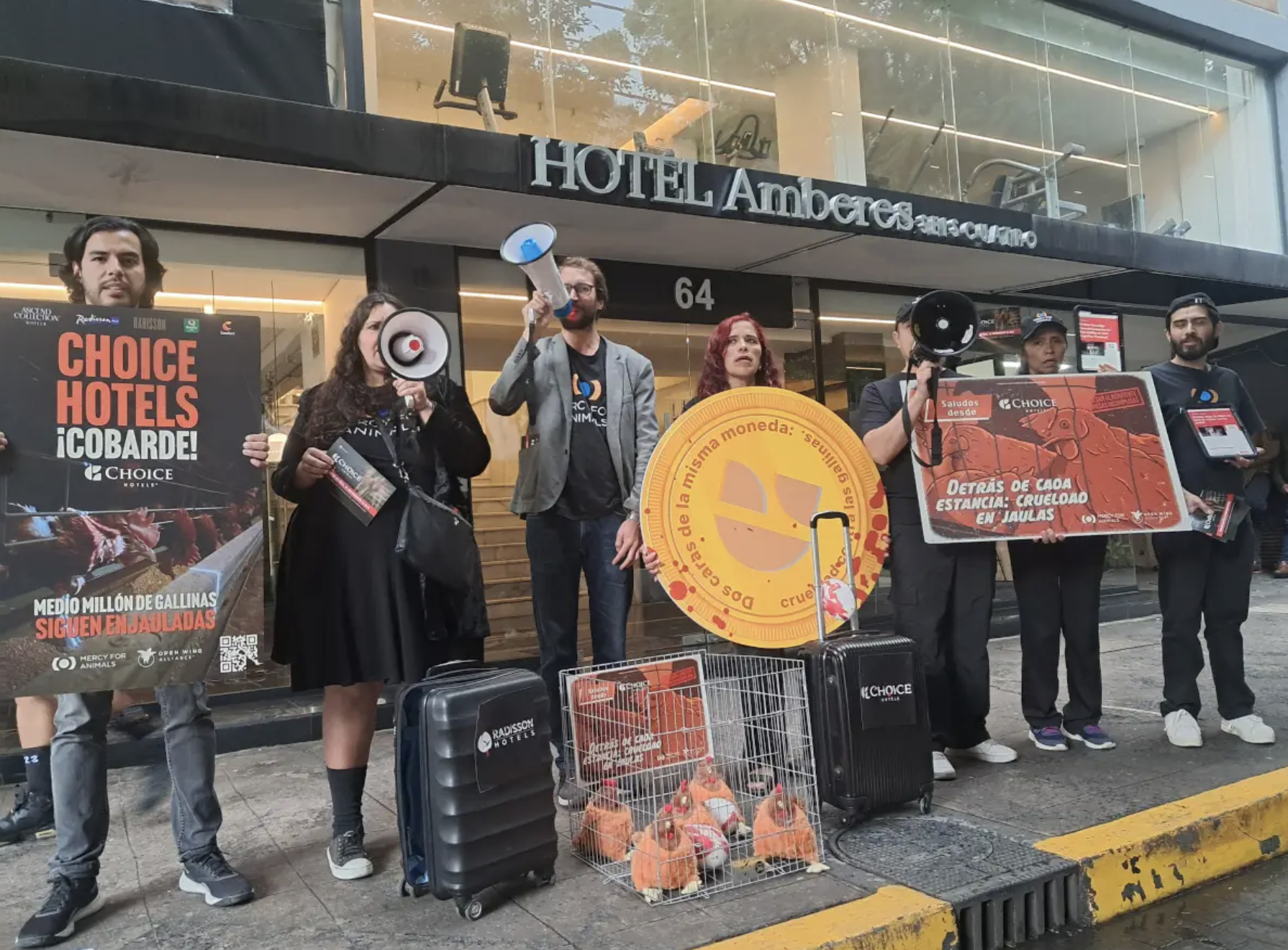
For Canadian retail giants, this report is a wake-up call. The current system of self-regulation has allowed retailers to hide behind weak industry codes while backtracking on their own welfare commitments. The transition toward greater legal accountability is a path forward that can no longer be ignored.
Forward-thinking corporations must take the lead by eliminating the worst forms of cruelty in their supply chains today. Implementing higher welfare standards—starting with a full transition away from cages for hens—is the only way to future-proof operations against the potential for increased federal oversight.
Take Action
The framework for a better Canada has been drafted. Now is the time for the industry to move beyond voluntary half-measures toward a future of genuine accountability. But we need your help to ensure retailers take the first step.
Share the report with Walmart and Sobeys and tell Canada’s grocery giants that the time for stalling is over. Ask them to eliminate cages from their operations without further delay. You can help animals by taking action today.