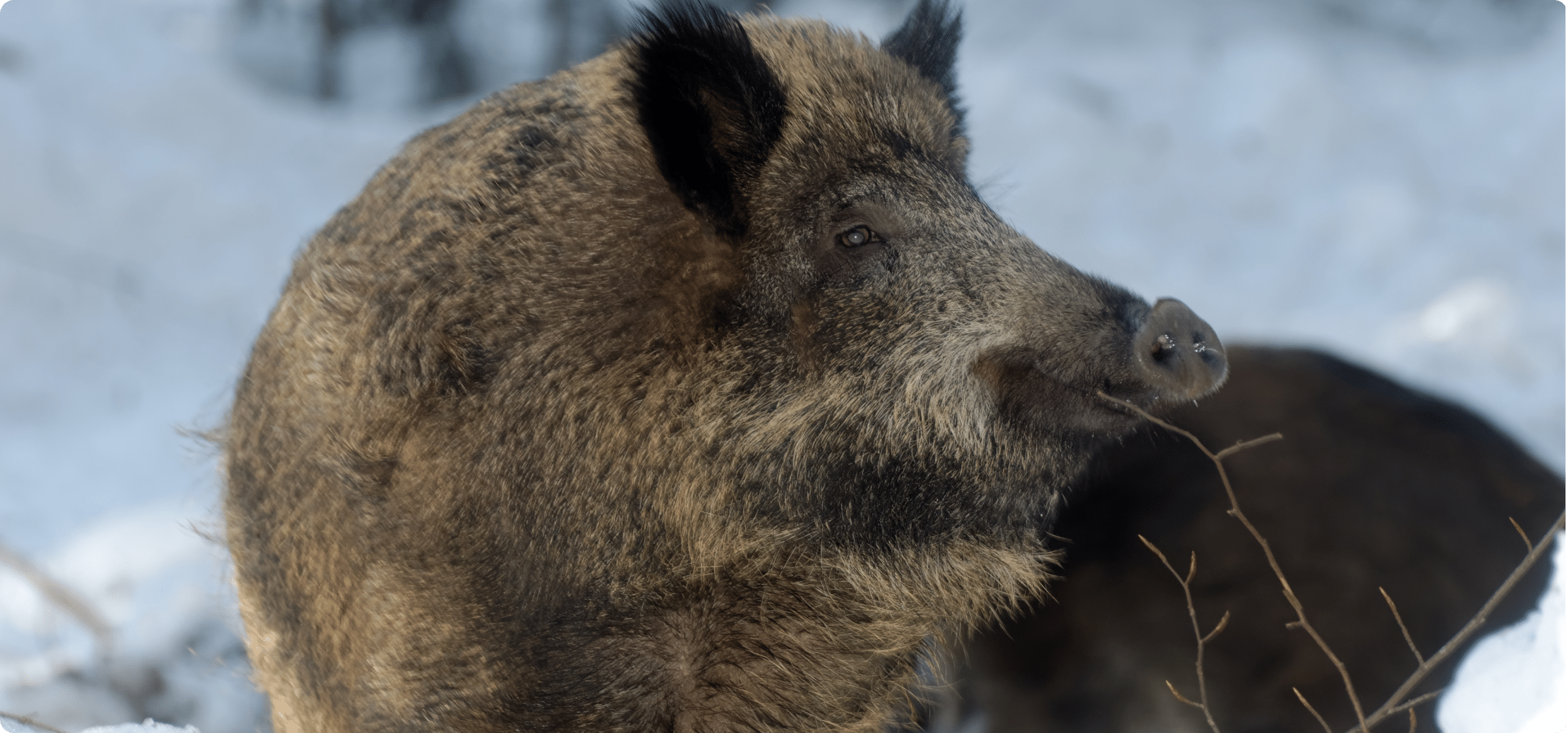
In the 1980s, the Canadian meat industry crossbred wild boars with domesticated pigs to create larger animals who could produce more piglets. The pigs, covered in thick, furry coats and growing to over 600 pounds, were tailor-made to survive frigid North American winters. Now these “super pigs” are running amok across the Canadian countryside and making their way toward the United States.
Considering nothing but their own profits in breeding these pigs, the meat industry managed to produce what Ryan Brook, a wildlife researcher and professor at the University of Saskatchewan, calls “the worst invasive large mammal on the planet.” According to Brook, the breeders “basically turbocharged this wild boar with all the things that make it a really successful invasive species.”
When the boar market collapsed in 2001, the meat industry acted recklessly once more by simply releasing their super pigs unchecked into the wild. As Brook notes, on multiple occasions pigs had been let go in groups of over 300 at once, with even more escaping on their own. Brook rates the chance of super pigs spreading into the United States as “very real,” given that they can adapt to a variety of food sources and types of terrain. They have been documented within miles of the U.S.-Canada border already.
Selective Breeding and Genetic Manipulation
The meat industry has a long history of selectively breeding animals for profit and leaving animals, the environment, and other humans to deal with the consequences. Because of inbreeding and selective breeding for growth and productivity, the industry’s cows and pigs often suffer genetic defects, leading to malformed calves and piglets who are miscarried or die shortly after birth.
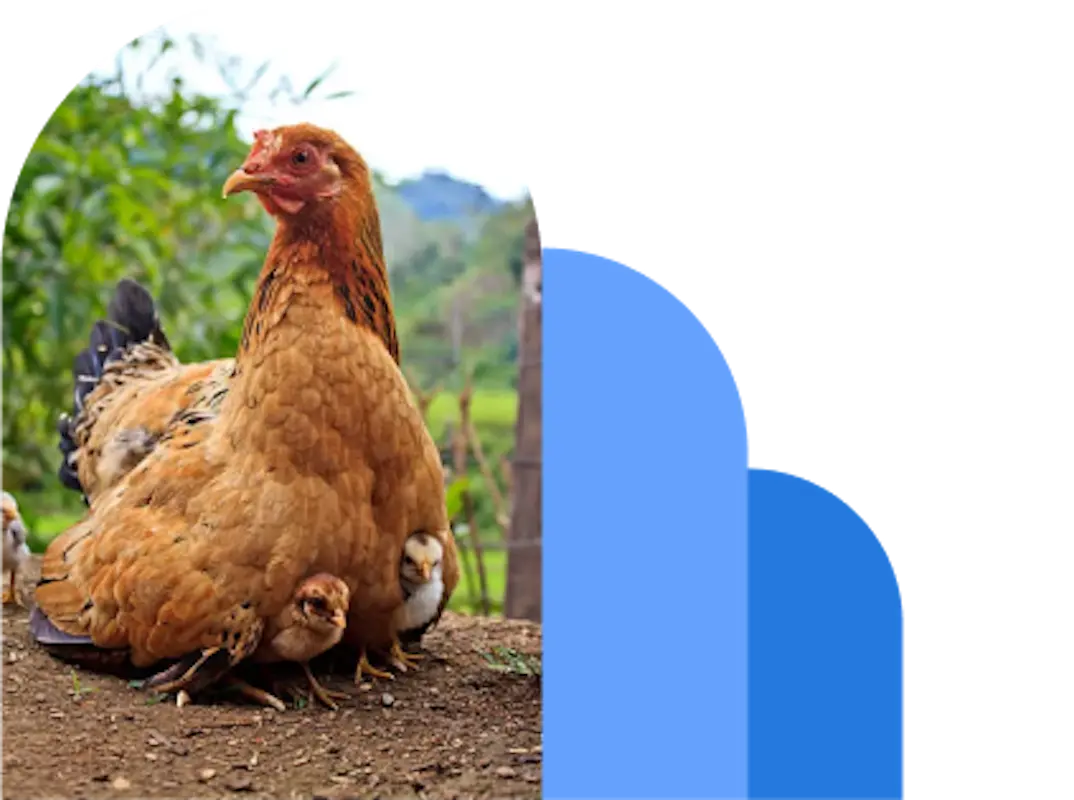
Chickens endure some of the worst effects of selective breeding. The meat industry breeds chickens to grow unnaturally large and quickly so that they reach “kill weight” in just 47 days. Putting on an abnormal amount of weight in such a short time causes the chickens to suffer a host of painful afflictions.
And just recently, scientists in China created three “super cows” by cloning cows who produce unusually large amounts of milk. The “productive” cows selected for cloning produce a mind-boggling 18 tons of milk per year—nearly 1.7 times the amount from an average cow used for dairy in the United States. The first of the three calves weighed 120 pounds and was born via C-section due to her size.
The meat industry has proved time and again that it values profits over all else. We can all stand up to this abusive industry simply by eating more plant-based foods. Download our FREE How to Eat Veg guide to learn more.