For more than a decade, Mercy For Animals and many other organizations have worked with food companies, hospitality groups, producers, and supply-chain stakeholders to help accelerate the transition away from cages in the egg industry.
In light of the recent World Sustainable Hospitality Alliance (WSHA) report on cage-free sourcing, it is important to address several conclusions that do not fully reflect the advances already underway across multiple emerging markets. While the report raises concerns about the feasibility of cage-free transitions in certain regions, on-the-ground experience demonstrates that meaningful change is not only possible but already underway through sustained industry collaboration, producer investment, growing market demand, and proactive efforts by companies across the hospitality and food sectors. Many companies have already shown that cage-free transitions are achievable in markets where cage-free supply is still developing through early investment, supplier engagement, transparent reporting, and sustained implementation efforts.
Mercy For Animals, members of the Open Wing Alliance, and other animal protection organizations, including Compassion in World Farming, have documented transition progress through corporate accountability initiatives, public fulfillment reporting, and regional tracking efforts. Industry reporting and accountability initiatives such as MICA, the OWA Cage-Free Egg Fulfillment Report, Cage-Free Tracker, EggTrack, and The Eggquity Index have documented progress across multiple markets, including within the hospitality sector.
However, some companies delayed action for years and are now facing increasing scrutiny as public cage-free deadlines arrive or pass. While the WSHA report raises questions about transition viability in certain regions, many stakeholders working directly on cage-free transitions believe the report does not fully reflect the demonstrated results, the significant investments already being made by producers and companies, and the practical pathways available to help fulfill cage-free commitments across the industry.
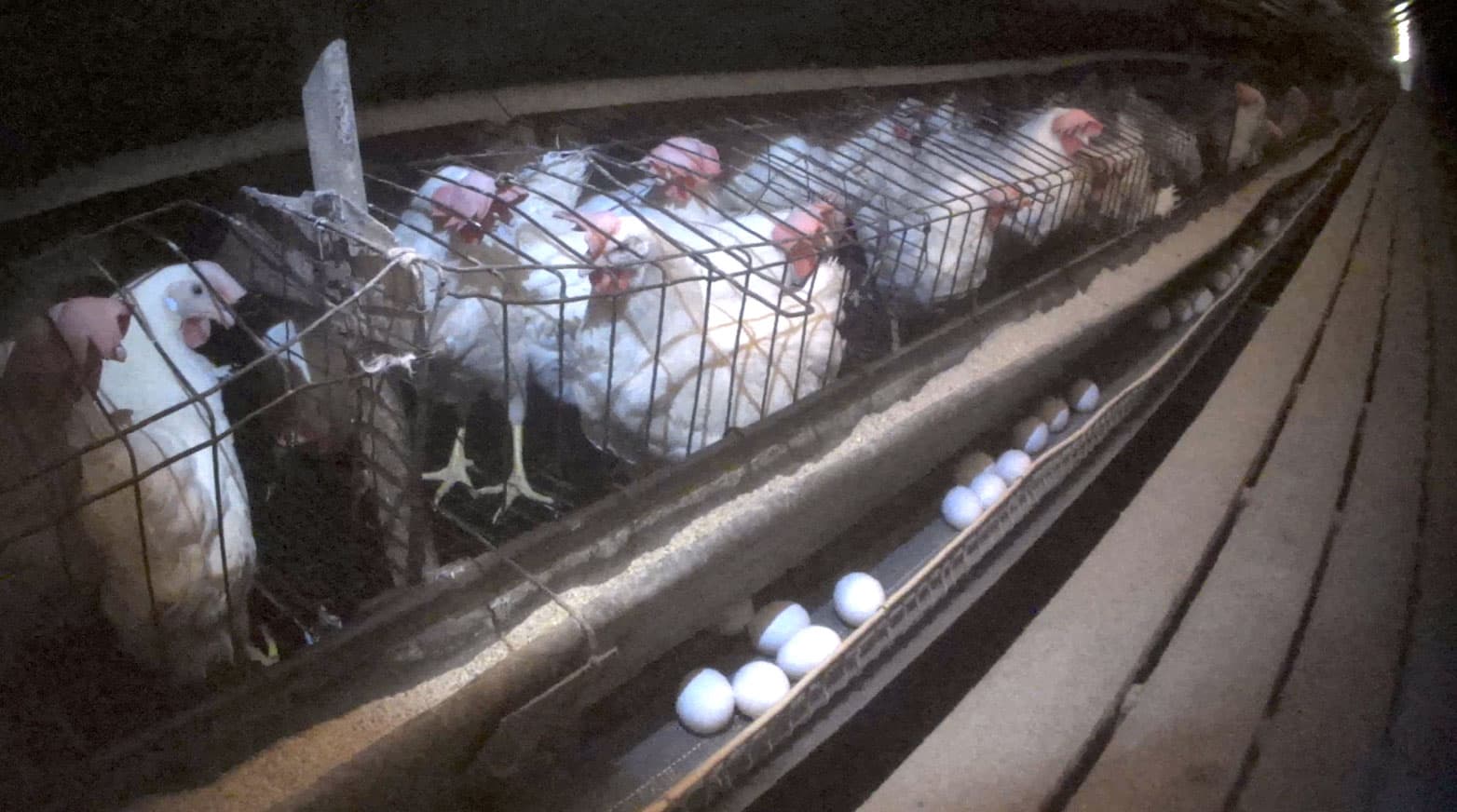
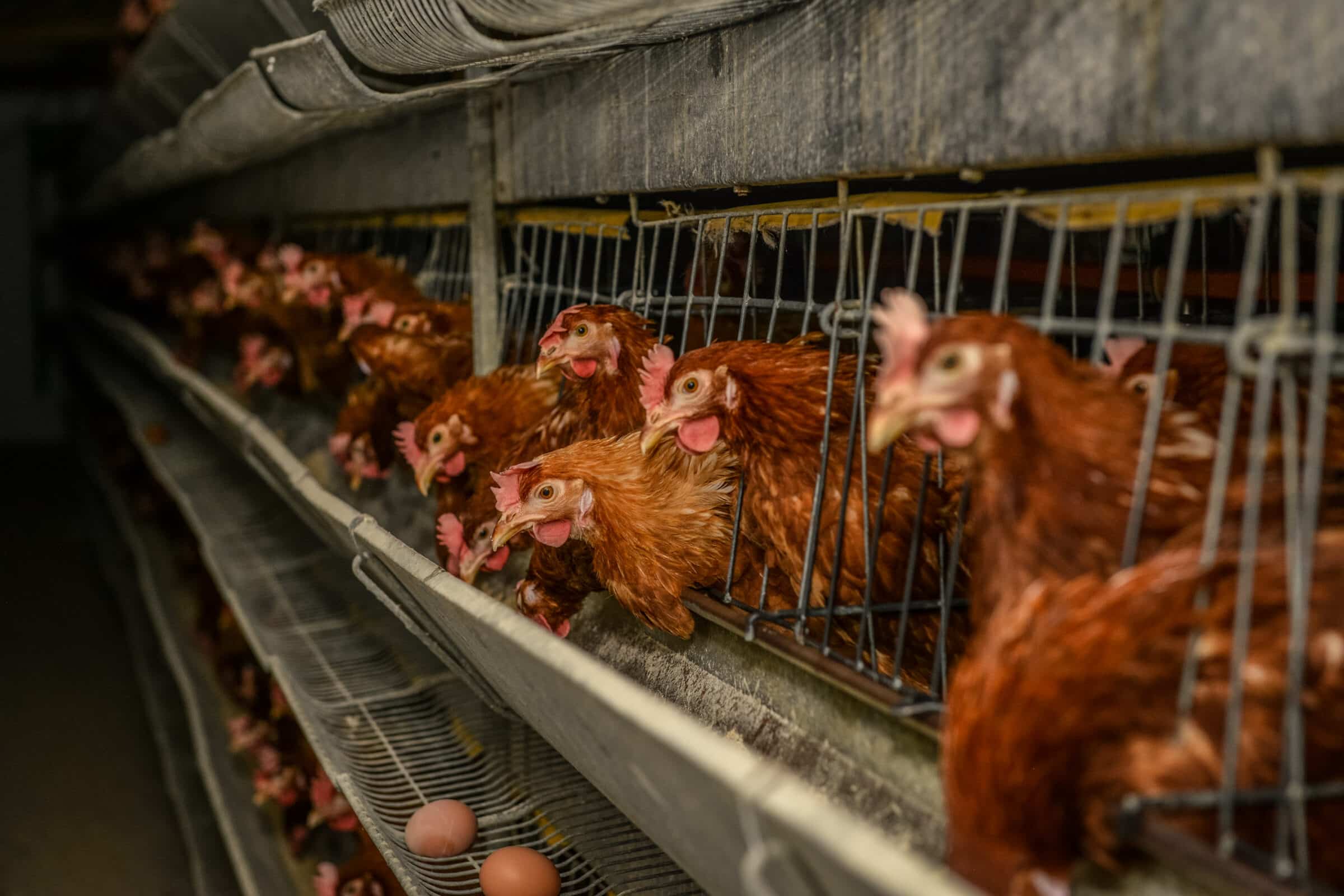
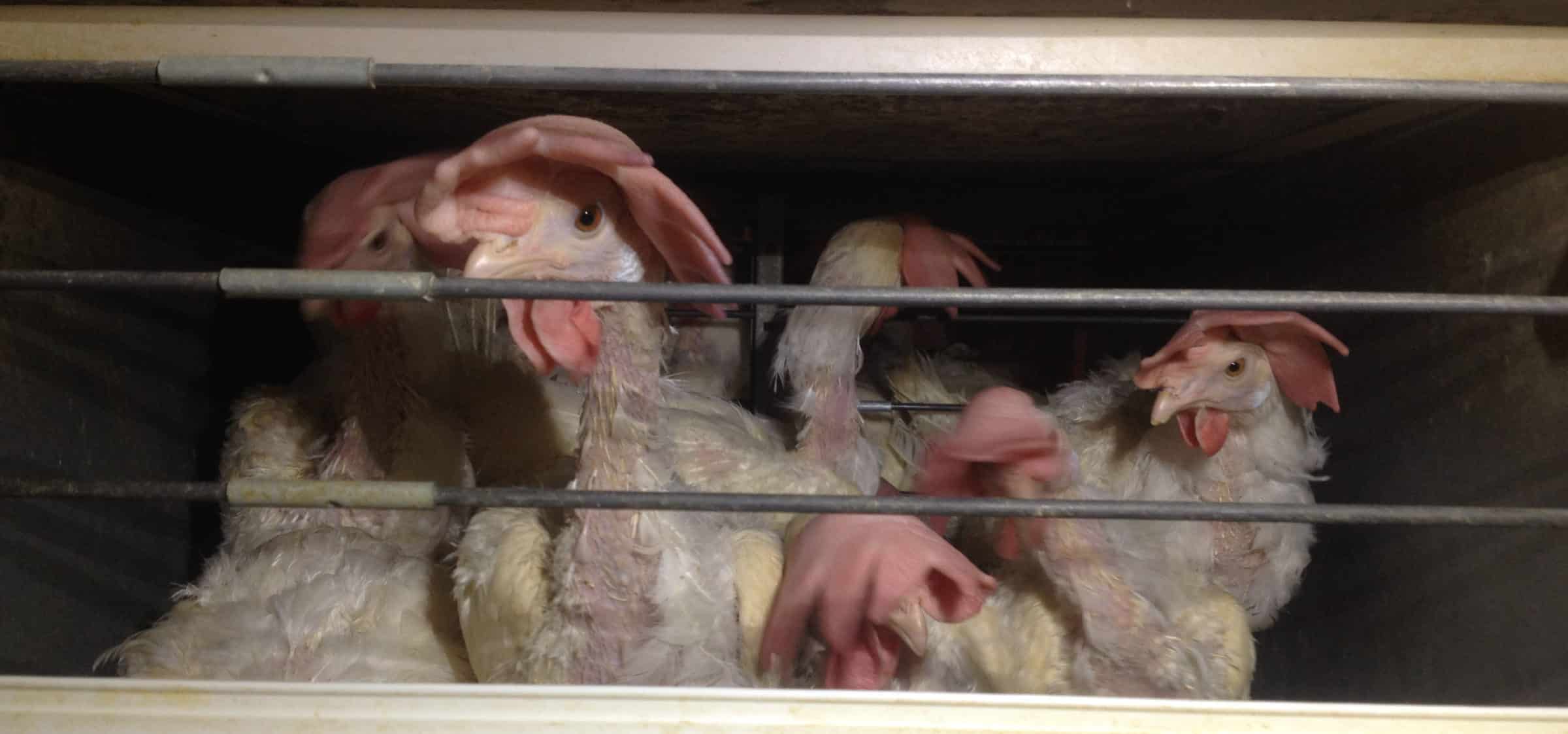
Cage-free commitments are intended to help reduce the suffering of hens in the egg industry by moving away from some of the most intensive confinement systems used in industrial animal agriculture. Cage-free systems represent an important step toward reducing suffering for millions of animals across global food supply chains. But as many 2025 deadlines pass, one reality has become increasingly difficult to ignore: public commitments alone do not improve conditions for animals. Meaningful action does.
Turning Commitments Into Action
Transitioning away from cage systems requires more than setting public sourcing goals. It requires long-term transition strategies, transparent progress tracking, supplier engagement, accountability measures, and clear transition pathways.
Other sectors, including renewable energy and deforestation-free supply chains, have demonstrated that long-term investment and transition strategies can accelerate large-scale sustainability change. The same principle increasingly applies to animal welfare commitments.
In regions where cage-free supply is still developing, certain transition models have emerged to help support the expansion of cage-free systems over time, including cage-free credits. When paired with transparent accountability standards and tangible advances, these mechanisms can incentivize producer investment, support the expansion of cage-free infrastructure, and help companies navigate temporary supply constraints while advancing their commitments. However, these tools should complement—not replace—direct implementation, supplier engagement, and transparent reporting on sourcing progress.
Mercy For Animals has reviewed information regarding these systems, including their terms and conditions, and strongly believes they can play an important role in incentivizing credible cage-free transitions, particularly in emerging cage-free markets.
Groups working directly on cage-free transitions in emerging markets, including Accountability Lens Asia and Global Food Partners, have also emphasized the importance of transparent accountability systems and progress frameworks in supporting meaningful transition efforts.
For additional context on how cage-free credit systems are intended to function within supply-chain transition efforts, Global Food Partners has published an overview of the potential role these mechanisms can play in supporting cage-free transitions in regions where supply is still developing.
Leadership Requires Measurable Progress
Companies such as Best Western and Lagardère Travel Retail have publicly reported progress tied to cage-free transitions in parts of Asia, demonstrating that supply-chain complexity does not make progress impossible.
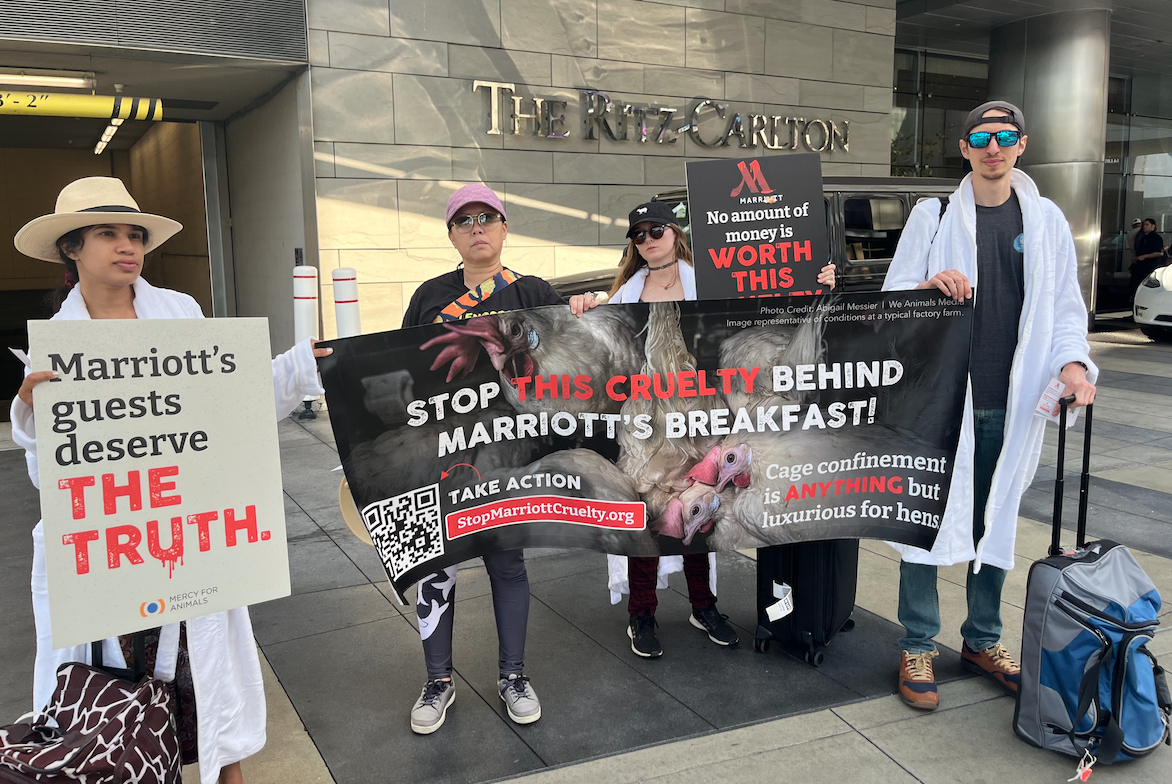
At the same time, several major hospitality groups, including Marriott, Hyatt, and IHG, continue facing scrutiny over delayed or unmet cage-free commitments tied to earlier public timelines. Consumers and stakeholders are increasingly evaluating whether companies are demonstrating transparent reporting and credible transition pathways.
The broader challenge facing the industry is no longer whether cage-free transitions are possible. In many markets, progress has already shown that they are. The real question is whether companies are willing to take the sustained actions necessary to help build the supply chains their commitments require. The industry cannot continue treating delays as temporary obstacles without providing clear plans for how and when commitments will ultimately be fulfilled.
The Hospitality Industry Has a Choice to Make
The hospitality sector remains uniquely positioned to help drive food system transformation at a global scale. But as debate continues following the World Sustainable Hospitality Alliance (WSHA) report on cage-free sourcing, the conversation should not center solely on whether transition challenges exist. The more important question is how companies respond to those challenges, and whether they are taking steps to help build the cage-free supply chains their commitments require.
Leadership requires more than setting distant goals or pointing to market constraints after deadlines approach. It requires transparent roadmaps, supplier engagement, accountability across supply chains, and clear public reporting on what still needs to happen. Companies, producers, and supply-chain stakeholders across parts of Asia and other emerging markets are already demonstrating that transition is possible when stakeholders actively invest in making it happen.
The companies that made these commitments now face a defining test of credibility. The question is no longer whether cage-free transitions are possible. The question is whether companies will take the actions necessary to fulfill the commitments they made publicly. Ultimately, accountability is measured not by promises, but by results, and the companies that act now will help define the future of animal welfare in global food systems.