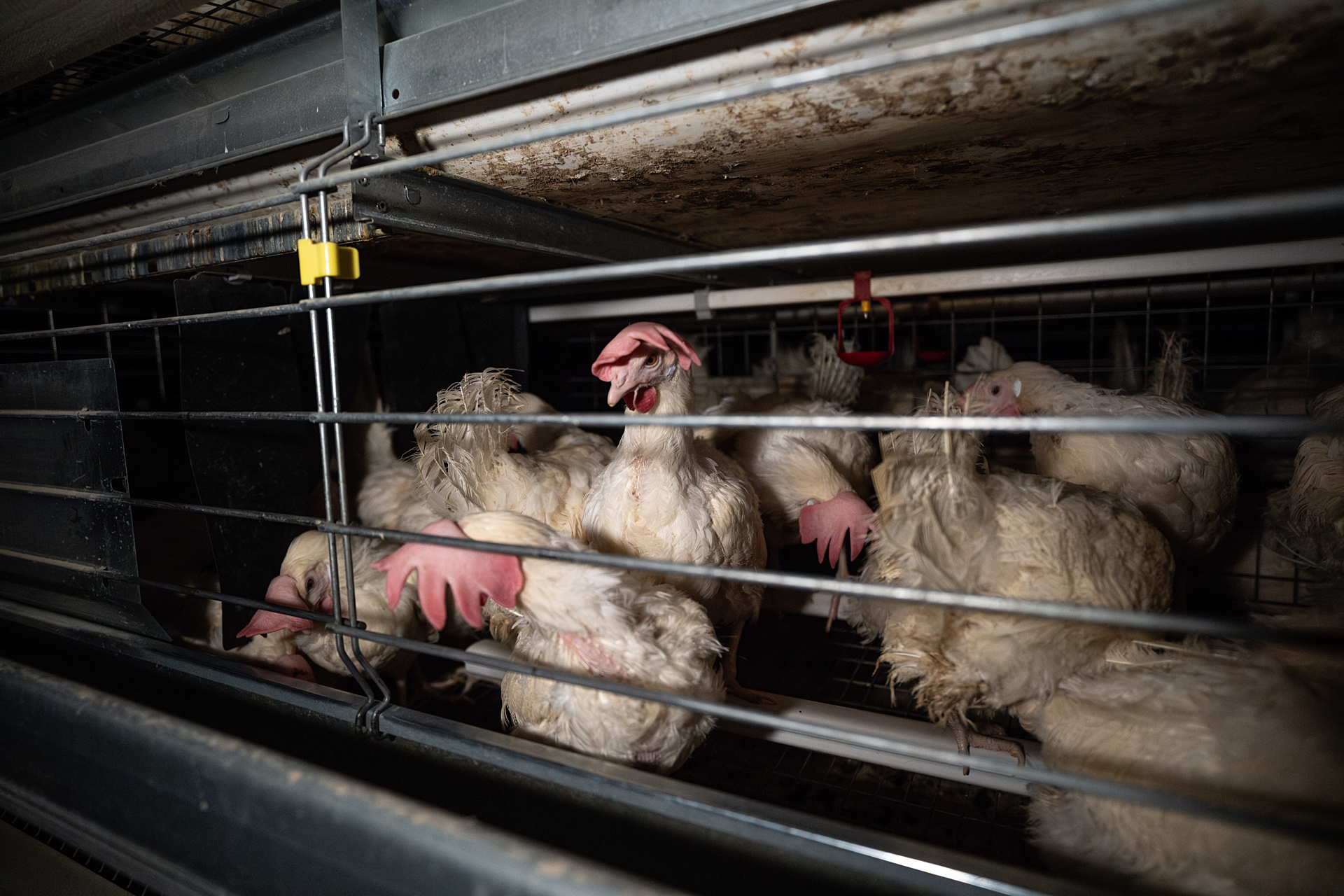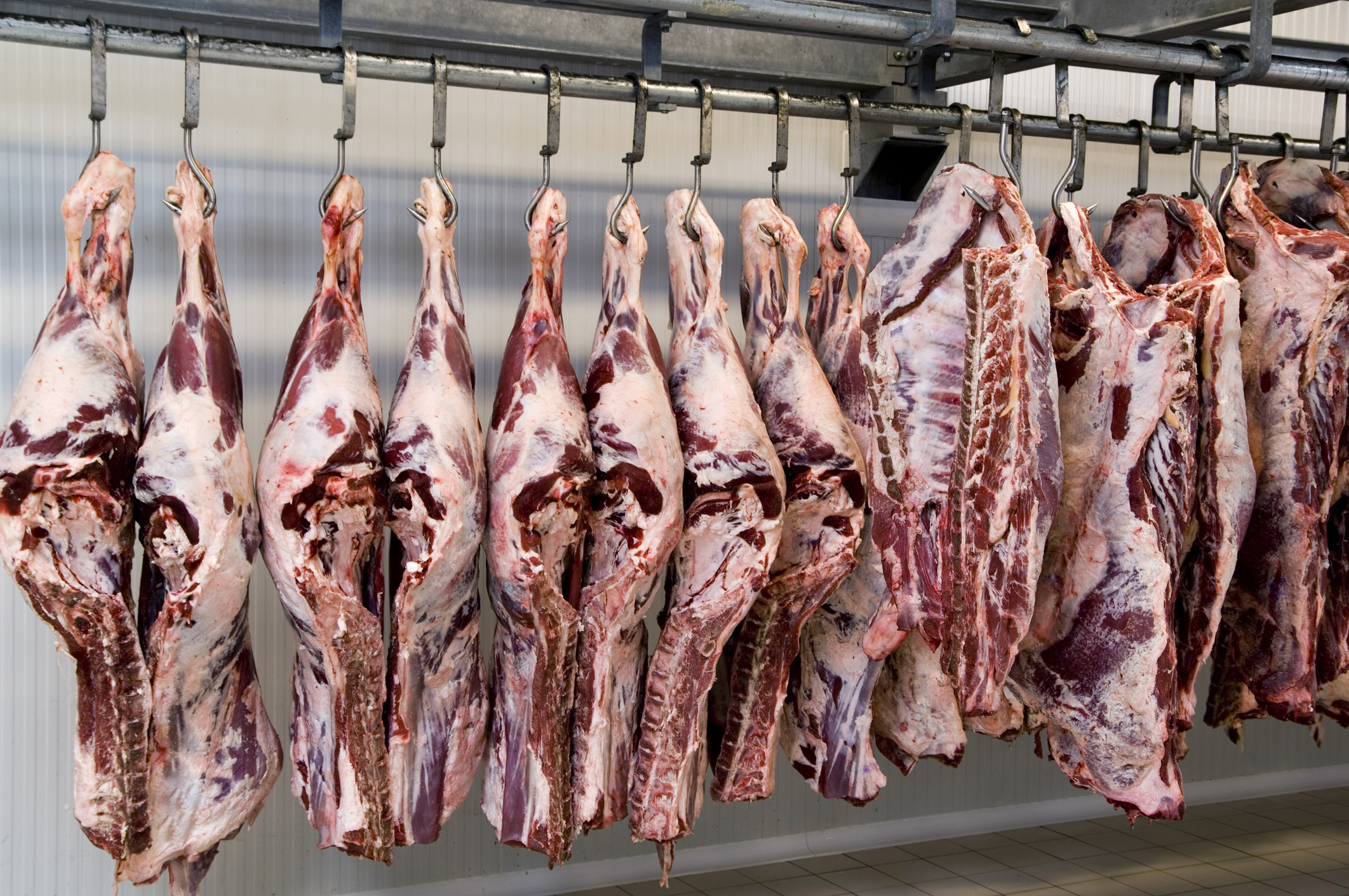
Thousands of workers at a massive JBS beef plant in Colorado, where cows are slaughtered and “processed” into meat products, are on strike. As the workers demand safer conditions and fair treatment, their walkout is drawing national attention to one of the most dangerous industries in the country and a food system in crisis.
One of the Most Dangerous Jobs in America
Working inside a slaughterhouse or meat-processing plant is reportedly one of the most dangerous jobs in the country. Workers face:
- High rates of injury from sharp tools and fast-moving machinery
- Repetitive-motion strain from grueling line speeds
- Exposure to hazardous conditions, including extreme temperatures and biological waste
Line speeds are set to maximize production and profit at the expense of animal welfare and worker safety. Many meat industry employees report being forced to keep working through injuries or illness to avoid losing their jobs.
For the thousands now on strike, these risks are part of daily life. As we’ve reported before, workers in the meat industry face high health risks on the job.
A Workforce with Few Options
Slaughterhouses are often located in rural areas and near marginalized communities. These facilities disproportionately employ low-income workers, immigrants, and people of color, many of whom have limited access to alternative employment.
Some workers rely on their employers for housing or visa sponsorship. Others face language barriers or fear retaliation for speaking out. For many, leaving the job can mean risking their livelihood, their home, or even their ability to remain in the country.
This imbalance of power allows dangerous conditions to persist. Investigations have also revealed how vulnerable workers can be exploited under this system, including during immigration raids that exposed horrific conditions.
The Hidden Toll
Beyond physical injuries, meat plant and slaughterhouse workers often endure lasting psychological harm. Studies and firsthand accounts have linked this work to trauma, anxiety, and other mental health challenges.
These are not isolated issues. They are built into a system that prioritizes efficiency and profit above all else.
A System That Treats Lives as Expendable
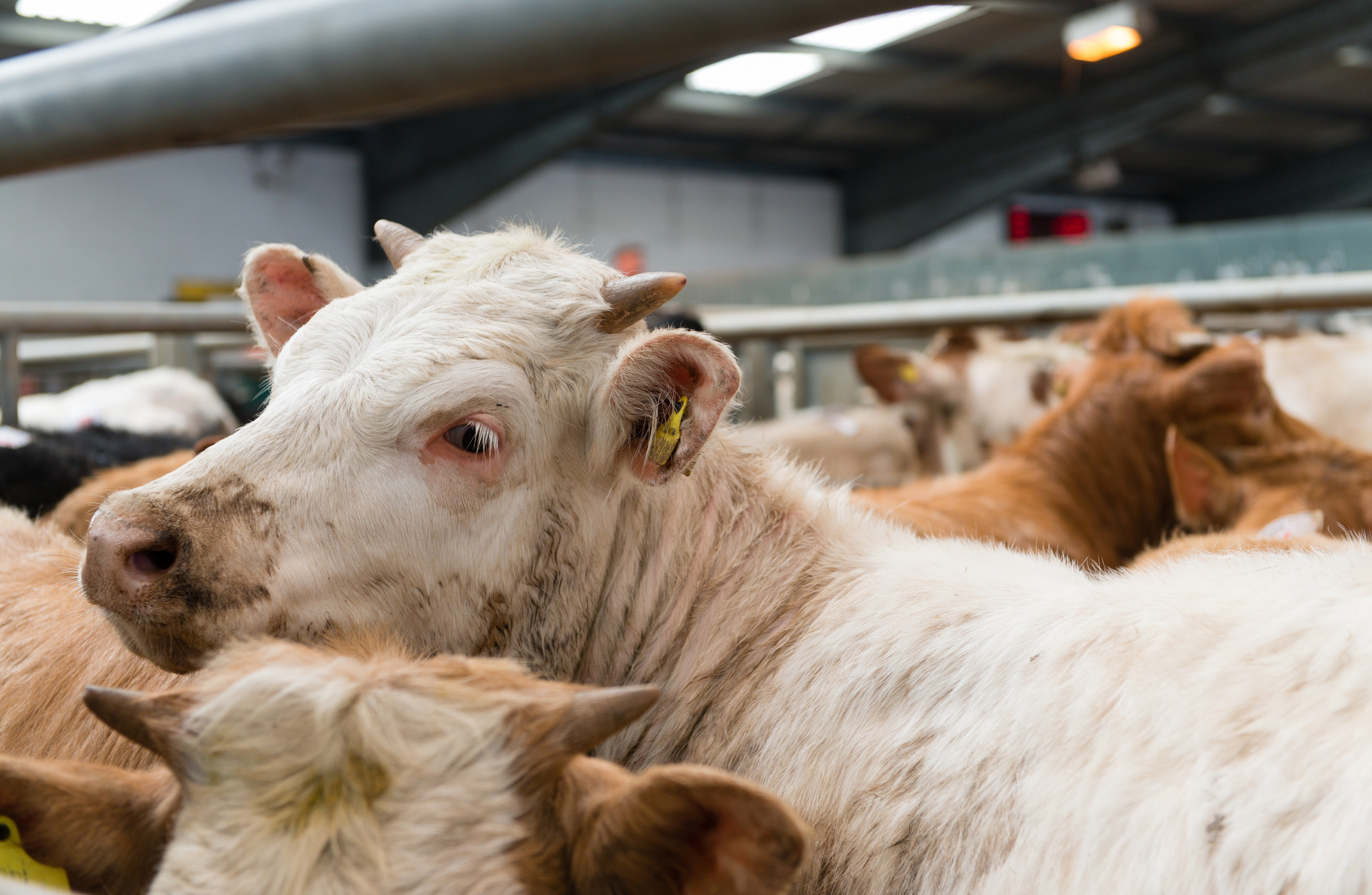
It’s no surprise that the same system that exploits non-human animals also puts workers at risk. Much like how cows used for meat are treated as units of production, workers are treated as replaceable labor. Then, communities bear the environmental consequences.
This system reflects a broader pattern in which corporations prioritize profit over accountability, as seen in cases like industry leaders avoiding consequences for harmful practices.
Why This Strike Matters
The strike at JBS is a powerful reminder: the people working inside slaughterhouses are also victims of a cruel industry. They are individuals navigating a system that often leaves them with few choices and little protection.
Standing with workers means recognizing the broader system at play: one that exploits both human and nonhuman animals. Building solidarity means taking action. We can work together to build a more compassionate world for both humans and non-human animals by choosing more plant-based foods.